Acne scars can be a frustrating reminder of past breakouts, often affecting both appearance and confidence. Fortunately, modern skincare and medical advancements offer a variety of effective acne scar treatments that can significantly improve skin texture and tone. Understanding your options is the first step toward achieving smoother, healthier-looking skin.
What Causes Acne Scars?
Acne scars form when inflamed blemishes damage the skin’s deeper layers. When the skin tries to heal itself, it produces collagen. Too much or too little collagen can lead to different types of scars, such as:
- Atrophic scars (depressed scars like ice pick, boxcar, and rolling scars)
- Hypertrophic scars (raised scars caused by excess collagen)
Proper treatment depends on the type and severity of scarring.
Top Acne Scar Treatment Options
1. Topical Treatments
For mild acne scars, over-the-counter and prescription creams can help improve skin appearance over time.
- Retinoids boost cell turnover and collagen production
- Alpha hydroxy acids (AHAs) exfoliate dead skin cells
- Vitamin C serums brighten skin and reduce discoloration
Consistency is key, and results may take several weeks to become noticeable.
2. Chemical Peels
Chemical peels involve applying a solution to exfoliate the top layer of skin, encouraging new skin growth.
- Helps reduce shallow scars and pigmentation
- Improves overall skin texture
- Available in light, medium, and deep strengths
Professional treatments yield better results than at-home options.
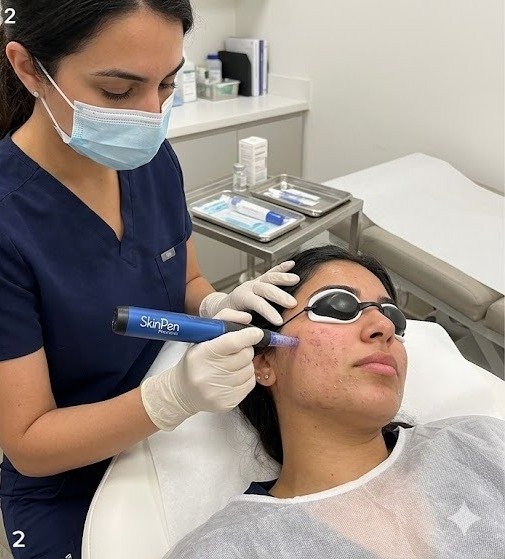
3. Microneedling
Microneedling is a popular procedure that uses tiny needles to create controlled micro-injuries in the skin.
- Stimulates natural collagen production
- Reduces the appearance of atrophic scars
- Improves skin firmness and tone
4. Laser Treatment
Laser resurfacing is one of the most advanced acne scar treatments available.
- Removes damaged skin layers
- Promotes collagen regeneration
- Targets both texture and pigmentation issues
There are two main types: ablative lasers (more intensive) and non-ablative lasers (less downtime).
5. Dermal Fillers
For deep, indented scars, dermal fillers can provide immediate improvement.
- Plump up depressed scars
- Create a smoother skin surface
- Results are temporary but effective
Repeat treatments are needed to maintain results.
6. Subcision
Subcision is a minor surgical procedure used for severe acne scars.
- Breaks fibrous bands pulling the skin downward
- Allows skin to lift and appear smoother
- Often combined with other treatments
Natural Remedies for Acne Scars
While professional treatments are more effective, some natural remedies may help improve mild scars:
- Aloe vera soothes and promotes healing
- Honey has antibacterial properties
- Lemon juice may lighten dark spots (use cautiously)
Always patch-test natural remedies to avoid irritation.
Tips to Prevent Acne Scars
Prevention is better than treatment. Here’s how to reduce the risk of scarring:
- Avoid picking or squeezing pimples
- Treat acne early with proper skincare
- Use sunscreen daily to prevent dark spots
- Maintain a consistent skincare routine
Choosing the Right Treatment
The best acne scar treatment depends on your skin type, scar type, and budget. Consulting a dermatologist is highly recommended for personalized advice. They can assess your skin and suggest a combination of treatments for the best results.
Acne scars don’t have to be permanent. With the right treatment approach and consistent care, you can significantly improve your skin’s appearance. Whether you opt for topical solutions, professional procedures, or a combination of both, patience and persistence are essential for achieving clear, smooth skin.
Liver Cancer Symptoms Cause and Remedy
Read Also: Medical Website Design