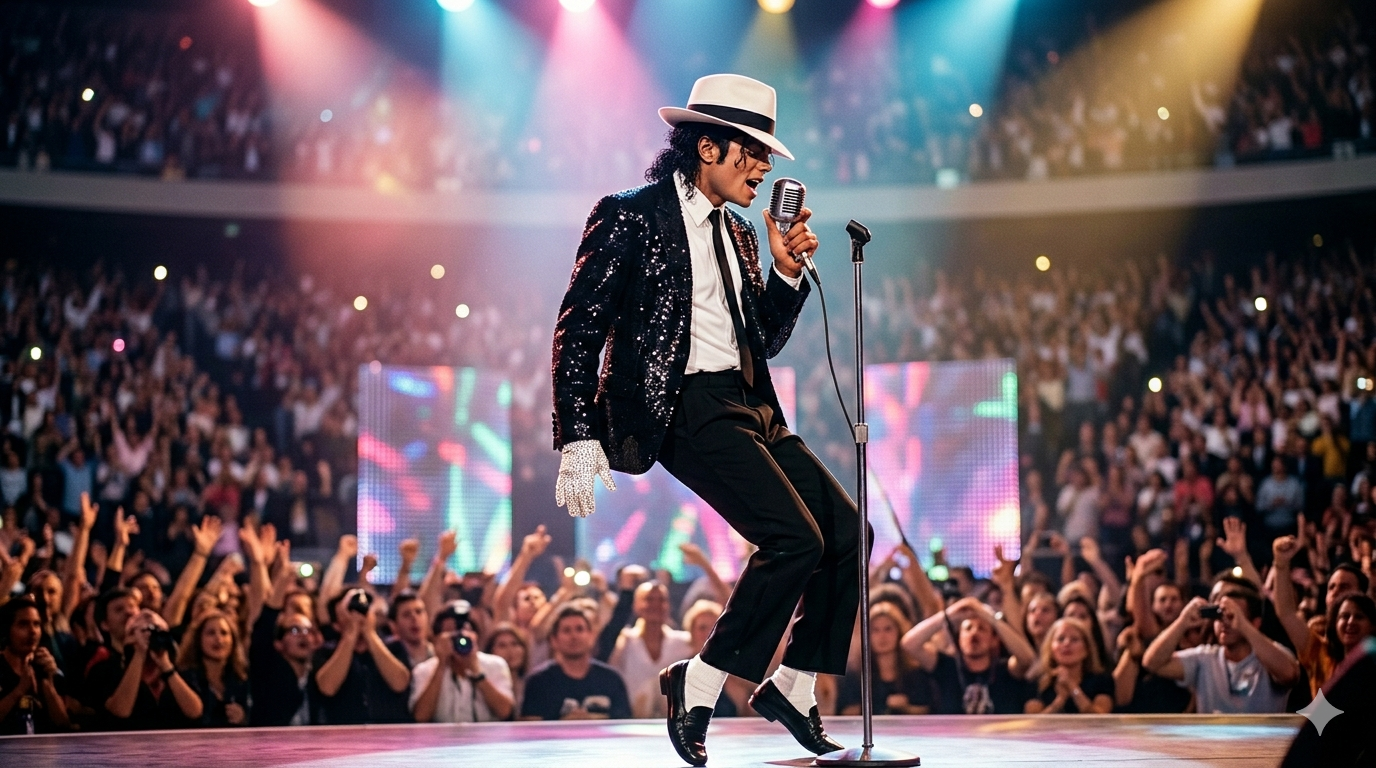
Michael Jackson, widely known as the “King of Pop,” passed away on June 25, 2009. His sudden death shocked millions of fans around the world and marked a tragic moment in music history. Jackson died at the age of 50 in Los Angeles, California, leaving behind a legacy that continues to influence artists and entertain audiences globally.
Cause of Death
Michael Jackson’s death was officially ruled a homicide by the Los Angeles County Coroner. The cause was acute propofol and benzodiazepine intoxication, drugs that were administered by his personal physician, Conrad Murray. Propofol is a powerful anesthetic typically used in hospital settings, not for home use. Its misuse led to fatal consequences.
Dr. Conrad Murray was later convicted of involuntary manslaughter in 2011 and sentenced to prison. This case raised serious concerns about the responsibilities of medical professionals and the dangers of prescription drug misuse.
Where Did Michael Jackson Die?
Michael Jackson died in his rented mansion located in Holmby Hills, Los Angeles. Emergency responders were called to the residence after Jackson was found unresponsive. Despite efforts to revive him, he was pronounced dead at the Ronald Reagan UCLA Medical Center later that day.
Events Leading to His Death
At the time of his passing, Michael Jackson was preparing for his highly anticipated comeback concert series titled “This Is It.” The shows were scheduled to take place at the O2 Arena in London and had already sold out within hours of announcement. Fans worldwide were eagerly waiting for his return to the stage after years of limited public appearances.
Reports suggest that Jackson had been struggling with insomnia and was relying heavily on medications to help him sleep. This ultimately led to the use of propofol, which played a critical role in his untimely death.

Global Reaction to His Death
The news of Michael Jackson’s death spread rapidly, triggering an outpouring of grief across the globe. Fans gathered outside his home, hospitals, and landmarks to pay tribute. Major media outlets provided continuous coverage, and social media platforms experienced unprecedented traffic spikes.
His memorial service, held at the Staples Center in Los Angeles, was watched by millions worldwide. It featured performances and speeches from close friends, family members, and fellow artists, celebrating his life and achievements.
Michael Jackson’s Legacy
Even after his death, Michael Jackson’s influence remains stronger than ever. He revolutionized the music industry with iconic albums like Thriller, Bad, and Dangerous. His innovative music videos, such as Billie Jean and Beat It, transformed how artists approached visual storytelling.
Jackson was also known for his signature dance moves, especially the moonwalk, which became a cultural phenomenon. His contributions to pop, rock, and R&B music continue to inspire new generations of performers.
Despite Michael Jackson‘s death on June 25, 2009, his legacy endures. His passing was a tragic loss for the world, yet his music, artistry, and cultural impact remain timeless. From groundbreaking performances to unforgettable songs, the King of Pop continues to be remembered as one of the greatest entertainers in history.
Sherlock Holmes by Sir Arthur Conan Doyle
Byomkesh Bakshi by Sharadindu Bandyopadhyay
Aranyak by Bibhutibhushan Bandopadhyay
Read Also: Education Website Design