An intrauterine device, commonly known as an IUD, is one of the most effective and convenient forms of long-term birth control available today. It is a small, T-shaped device that a healthcare professional places inside the uterus to prevent pregnancy. Millions of women worldwide choose an IUD because it offers reliable protection without requiring daily attention.
If you are considering a long-lasting contraceptive method, understanding what an IUD is and how it works can help you make an informed decision.
What Is an IUD?
An IUD (Intrauterine Device) is a reversible contraceptive designed to prevent pregnancy for several years. Depending on the type, it can remain effective for anywhere from 3 to 10 years. Despite its long lifespan, an IUD can be removed at any time by a qualified healthcare provider if you decide to become pregnant or switch birth control methods.
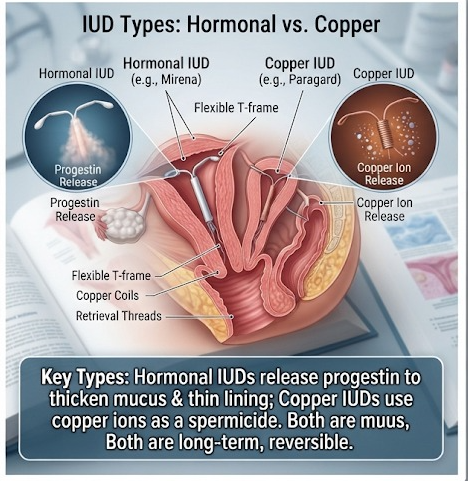
There are two main types of IUDs:
- Hormonal IUD: Releases a small amount of the hormone progestin.
- Copper IUD: Contains copper rather than hormones and offers hormone-free birth control.
Both options are highly effective but work in slightly different ways.
How Does an IUD Work?
An IUD prevents pregnancy by creating conditions that make fertilization highly unlikely.
A hormonal IUD works by releasing progestin, which thickens cervical mucus. This makes it difficult for sperm to reach the egg. It also thins the uterine lining, making implantation less likely, and in some women, it suppresses ovulation.
A copper IUD works without hormones. Copper creates an environment that is toxic to sperm, reducing their ability to swim and fertilize an egg. As a result, fertilization is prevented before pregnancy can occur.
Both types are more than 99% effective when correctly placed by a healthcare professional.
Benefits of Choosing an IUD
Many people prefer an IUD because it combines convenience with excellent effectiveness. Some of its key advantages include:
- Over 99% effective at preventing pregnancy.
- Long-lasting protection for several years.
- No daily pills or frequent maintenance.
- Fertility usually returns quickly after removal.
- Hormonal IUDs may reduce heavy menstrual bleeding and menstrual cramps.
- Copper IUDs provide hormone-free contraception.
These benefits make IUDs suitable for women seeking a dependable, low-maintenance birth control option.

Possible Side Effects
Like any medical device, an IUD may cause side effects, especially during the first few months after insertion.
Common side effects include:
- Mild cramping after insertion.
- Spotting between periods.
- Changes in menstrual flow.
- Irregular bleeding during the adjustment period.
Women using a copper IUD may experience heavier periods initially, while hormonal IUD users often notice lighter periods or, in some cases, no periods at all. Serious complications are rare but should be discussed with a healthcare provider.
Who Is a Good Candidate for an IUD?
An IUD is suitable for many adults who want reliable, long-term contraception. It is an excellent choice for individuals who prefer a “set it and forget it” method or cannot consistently remember to take daily birth control pills.
However, an IUD may not be appropriate for everyone. People with certain uterine abnormalities, untreated pelvic infections, or unexplained vaginal bleeding should consult their healthcare provider before choosing this option.
Understanding what an IUD is and how it works can help you decide whether it fits your reproductive health goals. Whether you choose a hormonal or copper IUD, both provide safe, highly effective, and reversible birth control for years with minimal maintenance.
The best contraceptive choice depends on your lifestyle, medical history, and future family planning goals. Discuss your options with a qualified healthcare provider to determine which IUD, if any, is the right solution for you.
Liver Cancer Symptoms Cause and Remedy
Read Also: Medical Website Design