As cities continue to expand, access to fresh food, green spaces, and sustainable living has become increasingly important. Urban gardening and vertical farming are two innovative approaches that help people grow plants even when traditional farmland is limited. From balconies and rooftops to indoor farms and vertical walls, these methods are transforming the way communities produce food in urban environments.
What Is Urban Gardening?
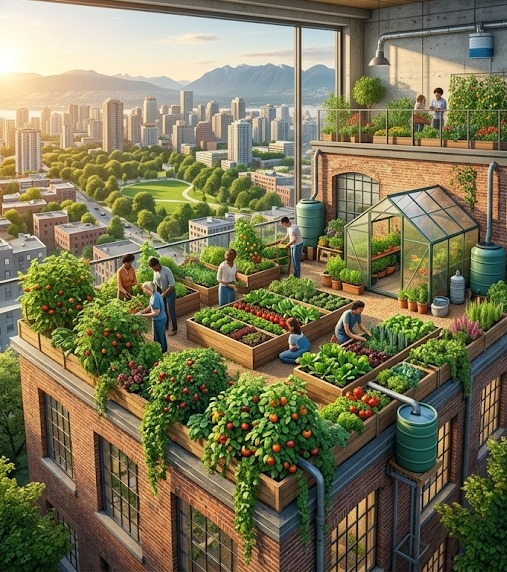
Urban gardening refers to growing vegetables, herbs, fruits, flowers, and other plants within cities. Instead of relying on large agricultural fields, urban gardeners use available spaces such as balconies, terraces, rooftops, community gardens, backyards, and even window areas.
Urban gardening can be as simple as growing tomatoes in containers or as advanced as creating a rooftop vegetable garden. It allows city residents to produce some of their own food while adding natural beauty to otherwise crowded surroundings.
Understanding Vertical Farming
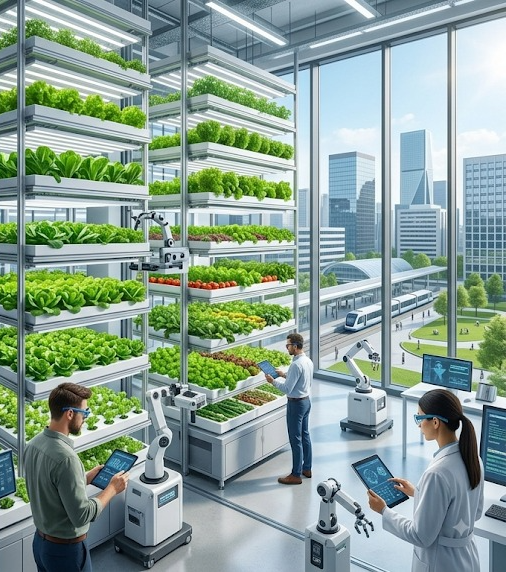
Vertical farming is a modern agricultural technique in which crops are cultivated in vertically stacked layers. These farms can operate inside buildings, warehouses, greenhouses, or specially designed structures. Technologies such as hydroponics, aeroponics, artificial lighting, climate controls, and automated monitoring can help plants grow efficiently.
Unlike conventional farming, vertical farming does not necessarily require large areas of fertile soil. This makes it particularly useful for densely populated cities where available land is expensive or scarce.
Benefits of Urban Gardening
Urban gardening provides several environmental, social, and personal benefits. One of its biggest advantages is improved access to fresh produce. Growing herbs and vegetables close to home can reduce dependence on store-bought produce and encourage healthier eating habits.
Plants also contribute to greener urban surroundings. Rooftop gardens and balcony plants can improve the appearance of buildings while supporting biodiversity. Gardening can additionally provide a relaxing activity for people who want to spend more time around nature.
Community gardens offer another important advantage. They have the ability to unite neighbors, promote the exchange of knowledge, and foster deeper bonds within urban communities.
Advantages of Vertical Farming
Vertical farming makes efficient use of limited urban space. By growing crops in stacked layers, farmers can produce more food within a relatively small footprint. Controlled indoor environments can also provide consistent growing conditions throughout the year.
Another advantage is the possibility of producing food closer to consumers. Urban vertical farms can reduce the distance between farms and markets, potentially helping improve freshness and shorten transportation requirements.
Advanced farming systems can also monitor factors such as temperature, humidity, nutrients, and lighting. This level of control allows growers to optimize conditions according to the needs of different crops.
Urban Gardening vs. Vertical Farming
Although both approaches focus on producing plants in urban environments, they are different in scale and technology. Urban gardening is generally accessible to individuals, families, schools, and community groups. It can require minimal equipment and can be started with a few containers.
Vertical farming, conversely, tends to be driven by technology and focused on commercial aspects. It may involve specialized equipment, automated systems, artificial lighting, and carefully managed growing environments.
Both approaches can complement each other. Small household gardens can increase personal food production, while commercial vertical farms can supply fresh crops to larger urban populations.
The Future of Sustainable Urban Food
As cities become more crowded, innovative food-growing methods will become increasingly valuable. Urban gardening can encourage people to reconnect with nature, while vertical farming can demonstrate how technology can support efficient food production.
Together, urban gardening and vertical farming represent practical approaches to creating greener and more resilient cities. By using rooftops, balconies, unused buildings, and vertical spaces creatively, urban communities can make better use of limited resources while bringing fresh food closer to where people live.
Urban gardening and vertical farming are altering conventional notions regarding the locations and methods for cultivating food. Whether someone plants herbs on a balcony or operates a sophisticated indoor vertical farm, every effort can contribute to a greener urban environment. With thoughtful planning, sustainable practices, and appropriate technology, cities can become productive spaces where agriculture and modern urban life grow together.
India’s Agricultural Exports Opportunities and Challenges
Read Also: Exploring Opportunities in the Farming Industry