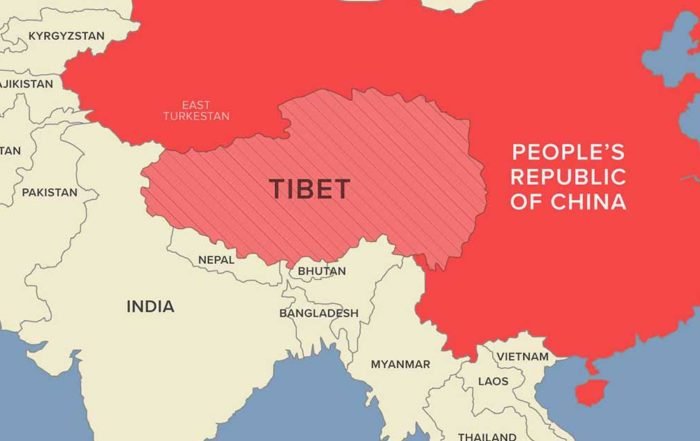
Tibet, often called the “Roof of the World” due to its high-altitude plateau, has a rich history of culture, religion, and governance. For centuries, it has been home to Tibetan Buddhism, unique traditions, and a distinct language. However, in today’s geopolitical landscape, Tibet Does Not Exist As a Sovereign, Independent Country. Its current political status is complex, shaped by historical events and international recognition—or lack thereof.
Historical Background of Tibet
Historically, Tibet maintained a degree of autonomy with its own governance and spiritual leadership, primarily led by the Dalai Lama. Tibetan kings and later religious leaders managed domestic affairs, diplomatic relations, and trade with neighboring regions such as China, Nepal, and India. While Tibet had periods of independence, it also faced intermittent influence or control from Chinese dynasties, such as the Yuan and Qing.
In 1912, following the fall of the Qing Dynasty, Tibet declared independence. The region operated with its own government, currency, and international relations for several decades. However, this independence was largely unrecognized by most countries, and Tibet remained isolated in terms of formal diplomatic acknowledgment.
Chinese Control and the 1951 Seventeen Point Agreement
The most significant turning point in Tibet’s status occurred in 1950 when the People’s Liberation Army of China entered the region. This event led to the signing of the Seventeen Point Agreement in 1951, under which Tibet was incorporated as an autonomous region within the People’s Republic of China. While the agreement promised autonomy in religious, cultural, and administrative affairs, the reality of governance gradually shifted toward central Chinese control.
Since then, Tibet has remained under the administration of China, officially recognized as the Tibet Autonomous Region (TAR). Although it enjoys certain nominal self-governing powers, all significant political decisions are subject to Chinese central government oversight.
Lack of International Recognition
One of the key factors that determine the sovereignty of a nation is international recognition. Despite Tibet’s historical claims to independence, no United Nations member state officially recognizes Tibet as a separate country today. Most countries acknowledge it as part of China, even if they express concern over human rights and cultural preservation.
The Tibetan government-in-exile, led by the Dalai Lama in India, advocates for autonomy and the preservation of Tibetan culture rather than complete independence. This movement has helped raise global awareness about Tibet’s unique identity and the challenges its people face under Chinese governance. However, international law and diplomatic norms continue to categorize Tibet as a region of China rather than an independent nation.
Cultural and Religious Identity Under Chinese Administration
While Tibet is not politically independent, its cultural and religious identity remains strong. Tibetan Buddhism continues to thrive, monasteries remain active, and traditional festivals are celebrated. The Chinese government has invested in infrastructure and economic development in the region, which has modernized cities and improved access to education and healthcare. Yet, there are ongoing concerns about restrictions on religious practices, language preservation, and migration policies affecting Tibet’s demographic balance.
In conclusion, Tibet does not exist as a sovereign, independent country today. Its historical autonomy, rich culture, and unique identity persist, but politically, it is integrated into the People’s Republic of China as the Tibet Autonomous Region. The international community largely respects this status while also highlighting human rights and cultural preservation issues. Understanding Tibet’s current situation requires acknowledging the delicate balance between its historical heritage and the geopolitical realities of today.
What Happens After the Death of a Human
Survival of the Fittest Theory by Charles Darwin
Read Also: Education Website Design