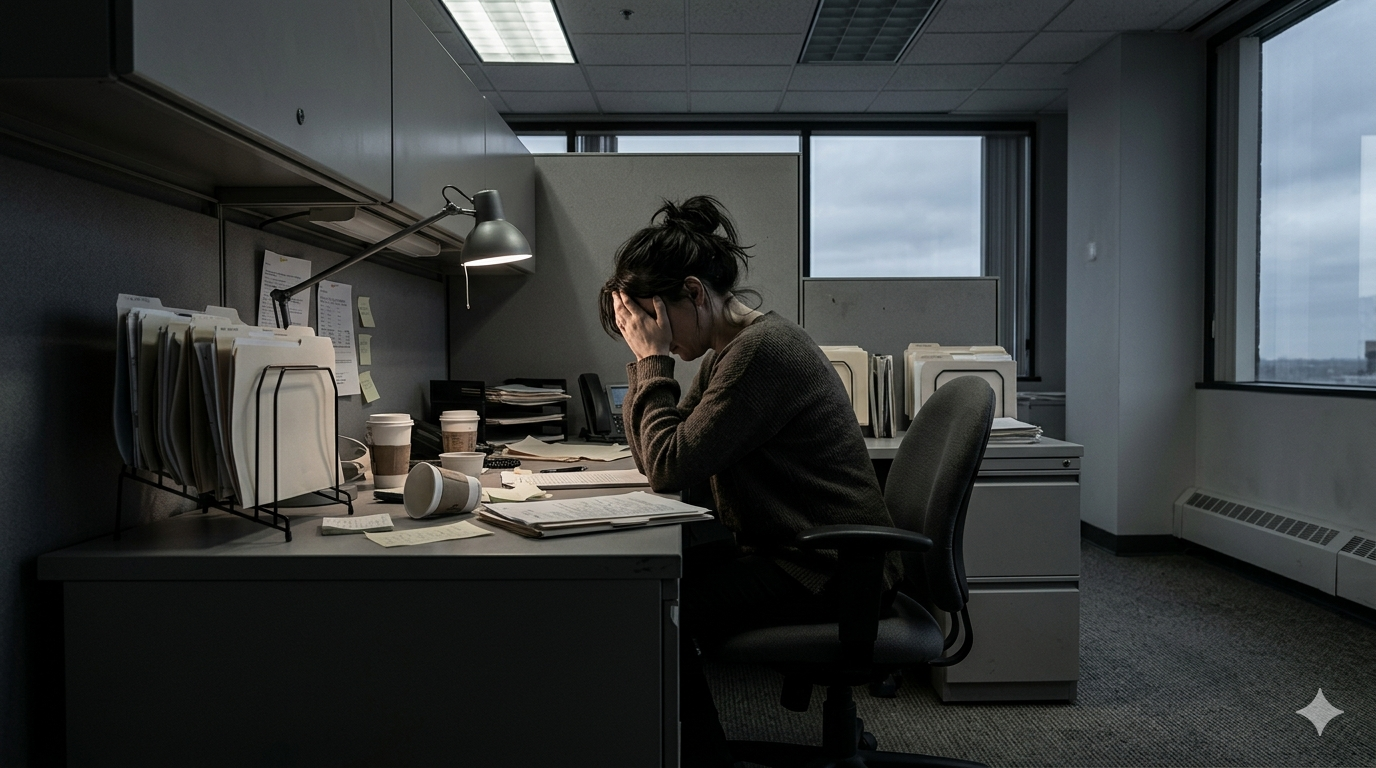
In today’s fast-paced world, burnout has become a common issue affecting professionals, students, entrepreneurs, and even caregivers. Constant pressure, long working hours, and a lack of work-life balance can lead to physical, emotional, and mental exhaustion. Understanding the symptoms of burnout and learning effective recovery strategies can help you restore your well-being and improve your quality of life.
What Is Burnout?
Burnout is a state of chronic stress that leaves individuals feeling overwhelmed, emotionally drained, and unable to meet daily demands. Unlike ordinary fatigue, burnout develops gradually over time and can significantly impact productivity, relationships, and overall health.
Common Symptoms of Burnout
Recognizing burnout early is essential for preventing long-term consequences. Here are some of the most common symptoms:
1. Constant Physical Exhaustion
One of the earliest signs of burnout is persistent fatigue. You may feel tired even after a full night’s sleep. Everyday tasks can seem exhausting, and your energy levels remain consistently low throughout the day.
2. Emotional Detachment
People experiencing burnout often become emotionally disconnected from their work, responsibilities, or personal relationships. They may feel indifferent, unmotivated, or unable to care about things they once enjoyed.
3. Reduced Productivity and Performance
Burnout can make it difficult to concentrate, solve problems, and complete tasks efficiently. Individuals may notice increased mistakes, forgetfulness, and a decline in work quality.
4. Increased Irritability and Mood Changes
Chronic stress can lead to frustration, impatience, and mood swings. Small inconveniences may trigger disproportionate emotional reactions, affecting relationships at home and work.
5. Sleep Problems
Burnout often disrupts sleep patterns. Some individuals struggle with insomnia, while others may sleep excessively but still wake up feeling tired and unrested.
6. Frequent Physical Complaints
Headaches, muscle tension, digestive issues, and weakened immunity are common physical symptoms associated with burnout. Ongoing stress can negatively affect overall physical health.

Causes of Burnout
Several factors contribute to burnout, including:
- Excessive workload and long working hours
- Lack of control over tasks and responsibilities
- Poor work-life balance
- Unrealistic expectations
- Insufficient support from colleagues, friends, or family
- Financial stress and job insecurity
Understanding the root causes can help individuals take proactive steps toward prevention and recovery.
Effective Strategies for Burnout Recovery
Recovering from burnout requires time, patience, and lifestyle adjustments. Here are some proven strategies:
Prioritize Rest and Sleep
Quality sleep is essential for mental and physical recovery. Establish a consistent sleep schedule, reduce screen time before bed, and create a relaxing bedtime routine.
Set Healthy Boundaries
Learn to say no when necessary and avoid taking on excessive responsibilities. Creating boundaries between work and personal life helps reduce stress and prevent future burnout.
Engage in Physical Activity
Regular exercise improves mood, reduces stress hormones, and boosts energy levels. Even a daily walk can significantly support burnout recovery.
Practice Mindfulness and Stress Management
Meditation, deep breathing exercises, and mindfulness techniques can help calm the mind and improve emotional resilience. Spending time in nature can also reduce stress levels.
Reconnect with Supportive People
Talking with trusted friends, family members, or mental health professionals can provide emotional support and valuable perspective during recovery.
Focus on Activities You Enjoy
Engaging in hobbies and recreational activities helps restore motivation and creates positive experiences that counterbalance stress.
When to Seek Professional Help
If burnout symptoms persist despite lifestyle changes, professional support may be necessary. Therapists, counselors, and healthcare providers can help identify underlying issues and develop personalized recovery plans.
Burnout is more than just feeling tired—it is a serious condition that can affect every aspect of life. By recognizing the symptoms of burnout early and implementing healthy recovery strategies, individuals can regain their energy, improve their mental health, and restore balance. Taking care of your well-being is not a luxury; it is a necessity for long-term success and happiness.
Liver Cancer Symptoms Cause and Remedy
Read Also: Medical Website Design