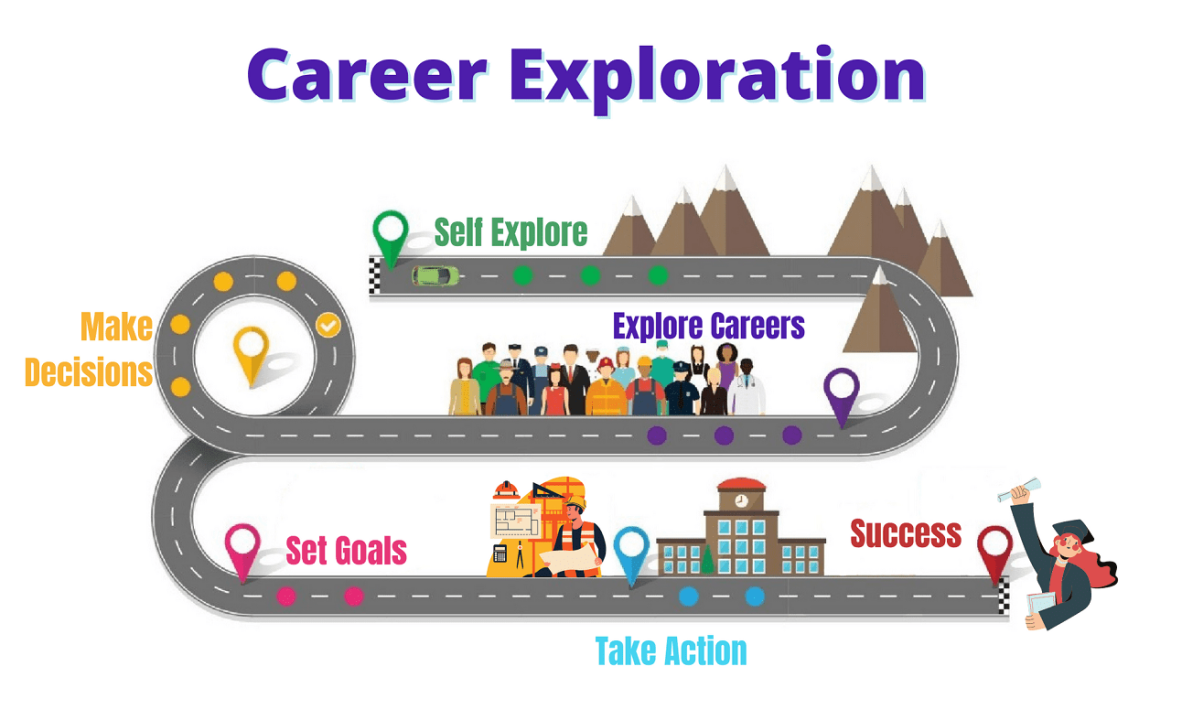
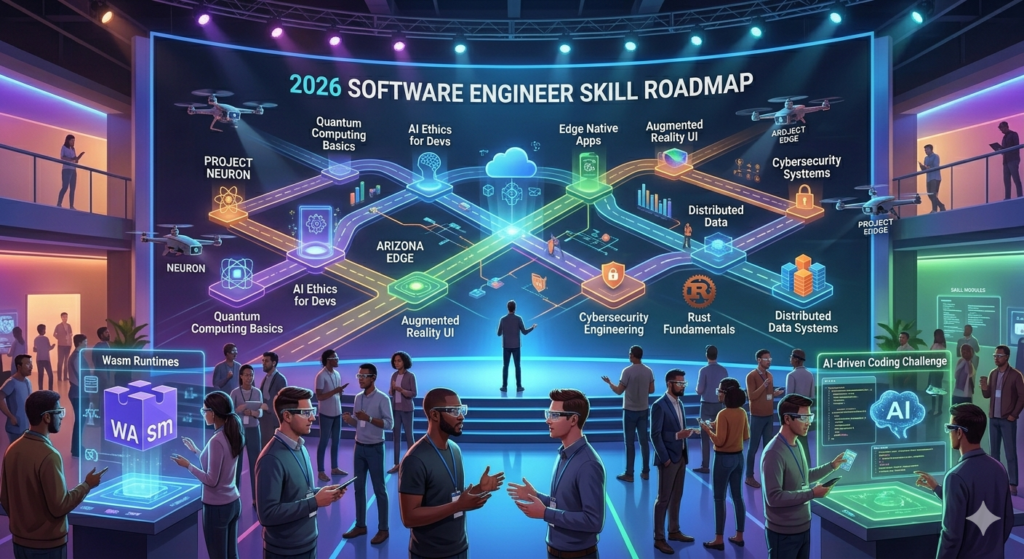
The technology industry continues to evolve rapidly, making software engineering one of the most rewarding and in-demand professions in 2026. With advancements in Artificial Intelligence (AI), cloud computing, cybersecurity, and full-stack development, aspiring developers need a structured learning path to stay competitive. This Software Engineer Roadmap 2026 will help beginners and experienced professionals understand the essential skills, tools, and technologies required to build a successful career in software development.
1. Learn Programming Fundamentals
The first step in becoming a software engineer is mastering programming fundamentals. A strong understanding of variables, loops, functions, arrays, object-oriented programming, and data structures forms the foundation of software development.
Popular programming languages in 2026 include:
- Python
- JavaScript
- Java
- C#
- Go
- Rust
Python remains a popular choice for beginners due to its simplicity and wide range of applications, including AI, automation, and data science.
2. Understand Data Structures and Algorithms
Data Structures and Algorithms (DSA) are critical for writing efficient code and performing well in technical interviews. Software engineers should focus on:
- Arrays and Linked Lists
- Stacks and Queues
- Trees and Graphs
- Hash Tables
- Sorting Algorithms
- Searching Algorithms
- Dynamic Programming
Regular practice on coding platforms can significantly improve problem-solving skills and prepare candidates for competitive job opportunities.
3. Master Web Development
Web development remains one of the most valuable skills for software engineers. Understanding both front-end and back-end technologies increases employability and versatility.
Front-End Development
Learn:
- HTML5
- CSS3
- JavaScript
- TypeScript
- React.js
- Next.js
Front-end experience is highly valued in modern online apps because they put speed, responsiveness, and user experience first.
Back-End Development
Popular backend technologies include:
- Node.js
- Laravel
- Django
- Spring Boot
- ASP.NET Core
Developers should understand APIs, authentication systems, and database integration.
4. Learn Database Management
Every software application relies on data. Software engineers must understand database design and management.
Relational Databases
- MySQL
- PostgreSQL
- Microsoft SQL Server
NoSQL Databases
- MongoDB
- Redis
- Cassandra
Learning SQL queries, indexing, optimization, and database security is essential for building scalable applications.
5. Gain Expertise in Cloud Computing
Cloud technology has become a standard requirement for modern software engineers. Companies increasingly deploy applications on cloud platforms for scalability and reliability.
Key cloud platforms include:
- Amazon Web Services (AWS)
- Microsoft Azure
- Google Cloud Platform (GCP)
Important cloud concepts:
- Virtual Machines
- Containers
- Serverless Computing
- Cloud Storage
- Networking
- Monitoring and Logging
Cloud certifications can further strengthen a developer’s resume.
6. Understand DevOps and Automation
Practices in DevOps enhance cooperation between the operations and development departments. Software engineers in 2026 are expected to understand deployment pipelines and automation tools.
Important DevOps tools include:
- Docker
- Kubernetes
- Jenkins
- GitHub Actions
- Terraform
Continuous Integration and Continuous Deployment (CI/CD) skills are highly valued by employers worldwide.
7. Explore Artificial Intelligence and Machine Learning
AI continues to transform the software industry. While not every software engineer must become an AI specialist, understanding AI concepts provides a significant advantage.
Key technologies include:
- Machine Learning
- Generative AI
- Natural Language Processing
- Computer Vision
- Prompt Engineering
Popular frameworks:
- TensorFlow
- PyTorch
- Scikit-learn
AI integration is becoming common in web applications, mobile apps, and enterprise software.
8. Learn Cybersecurity Basics
Security is no longer optional. Software engineers should understand:
- Authentication and Authorization
- Secure Coding Practices
- Data Encryption
- OWASP Top 10 Vulnerabilities
- API Security
Building secure applications helps protect user data and ensures compliance with industry regulations.
9. Build Real-World Projects
Employers value practical experience. Create projects that demonstrate your technical skills, such as:
- E-commerce Platforms
- Task Management Applications
- AI Chatbots
- Portfolio Websites
- SaaS Products
- Mobile Applications
Hosting projects online and maintaining a strong GitHub portfolio can significantly improve job prospects.
10. Develop Soft Skills
Technical expertise alone is not enough. Successful software engineers also possess strong soft skills, including:
- Communication
- Teamwork
- Problem Solving
- Time Management
- Leadership
Senior positions and effective collaboration are both made possible by these talents for developers.
The Software Engineer Roadmap 2026 focuses on mastering programming fundamentals, data structures, web development, databases, cloud computing, DevOps, cybersecurity, and emerging AI technologies. By continuously learning, building practical projects, and staying updated with industry trends, aspiring software engineers can position themselves for long-term success in the rapidly evolving technology landscape. Whether you are a beginner or an experienced developer, following this roadmap can help you achieve your career goals and remain competitive in the global software engineering market.
Effects of AI in Upcoming Technology
Manhole – Essential Access Points in Urban Infrastructure
RCPC Manhole Covers and Frames
Read Also : Social Network Website Design