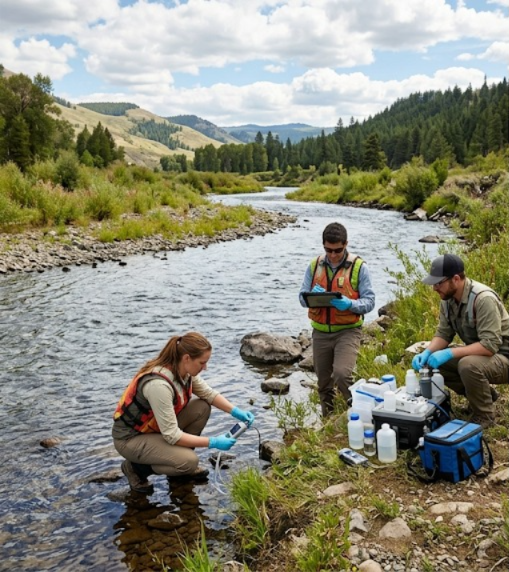
The environment plays a vital role in maintaining life on Earth. The Science of The Total Environment is an interdisciplinary field that studies the interaction between humans, nature, and technology. It focuses on environmental pollution, climate change, biodiversity, natural resources, and sustainable development. As environmental problems continue to increase worldwide, understanding the total environment has become essential for protecting ecosystems and improving human health.
This field combines knowledge from chemistry, biology, physics, geology, and environmental engineering to analyze environmental issues and develop practical solutions. Governments, researchers, and industries use environmental science to create policies and technologies that support a cleaner and healthier planet.
Importance of the Science of the Total Environment
The Science of The Total Environment helps researchers understand how human activities affect air, water, soil, and living organisms. Rapid industrialization, urbanization, and population growth have increased pollution levels and damaged natural ecosystems. Environmental science provides scientific data that helps policymakers make informed decisions about environmental protection.
One major goal of environmental science is sustainability. Sustainable development ensures that natural resources are used responsibly so future generations can also benefit from them. Environmental scientists study renewable energy, waste management, water conservation, and eco-friendly technologies to reduce environmental damage.
Additionally, this field helps identify the causes and effects of climate change. Rising temperatures, melting glaciers, extreme weather conditions, and sea-level rise are serious global concerns. Environmental research supports climate action plans that reduce greenhouse gas emissions and promote renewable energy sources like solar and wind power.
Major Environmental Issues
Air Pollution
Air pollution is one of the biggest environmental challenges today. Factories, vehicles, and burning fossil fuels release harmful gases into the atmosphere. Pollutants such as carbon dioxide, sulfur dioxide, and nitrogen oxides contribute to global warming and respiratory diseases. Environmental scientists monitor air quality and develop cleaner technologies to reduce pollution.
Water Pollution
Water pollution occurs when harmful chemicals, plastics, and industrial waste contaminate rivers, lakes, and oceans. Polluted water affects aquatic life and human health. The science of the total environment focuses on wastewater treatment, water purification, and sustainable water management systems to protect water resources.
Soil Degradation
Excessive use of pesticides, deforestation, and industrial activities damage soil quality. Healthy soil is important for agriculture and food production. Environmental researchers study soil conservation techniques and organic farming methods to maintain soil fertility.
Climate Change
Climate change is a global environmental issue caused mainly by greenhouse gas emissions. It leads to rising temperatures, droughts, floods, and biodiversity loss. Scientists work on climate models and sustainable energy solutions to reduce the impact of climate change.

Role of Technology in Environmental Protection
Modern technology plays an important role in environmental conservation. Advanced monitoring systems help scientists track pollution levels and weather patterns. Renewable energy technologies such as solar panels, wind turbines, and electric vehicles reduce dependence on fossil fuels.
Recycling and waste management technologies also help minimize environmental pollution. Smart cities are adopting green infrastructure, energy-efficient buildings, and sustainable transportation systems to improve environmental quality.
Artificial intelligence and data analysis are increasingly used in environmental research. These technologies help predict natural disasters, monitor wildlife populations, and optimize energy consumption.
Sustainable Solutions for a Better Future
Protecting the environment requires collective action from governments, industries, and individuals. Using renewable energy, reducing plastic waste, conserving water, and planting trees are simple yet effective ways to support environmental sustainability.
Education and awareness are equally important. People must understand the importance of environmental protection and adopt eco-friendly habits in daily life. International cooperation is also necessary to address global environmental challenges effectively.
The science of the total environment is essential for understanding the relationship between humans and nature. It provides scientific solutions to environmental problems such as pollution, climate change, and resource depletion. By promoting sustainability, environmental science helps create a healthier and safer future for all living organisms. Investing in environmental research, green technology, and public awareness can significantly improve the quality of life and protect the planet for future generations.
Andaman and Nicobar Islands Forests
Tours And Travels Website Design