The Ministry of Environment, Forest and Climate Change plays a vital role in protecting natural resources, controlling pollution, and promoting sustainable development. Every country needs a strong environmental authority to maintain ecological balance and ensure a healthy future for upcoming generations. In India, the Ministry of Environment is responsible for creating policies, implementing environmental laws, and spreading awareness about climate change and conservation.
What is the Ministry of Environment?
The Ministry of Environment is a government department that focuses on environmental protection and forest conservation. In India, it is officially known as the Ministry of Environment, Forest and Climate Change (MoEFCC). The ministry works to preserve biodiversity, wildlife, forests, rivers, and air quality while supporting economic growth in an environmentally friendly manner.
The ministry also represents India in international environmental meetings and climate discussions. It coordinates with different state governments and organizations to implement environmental programs across the country.
Main Objectives of the Ministry of Environment
The Ministry of Environment has several important goals that contribute to sustainable development. Some of its major objectives include:
1. Environmental Protection
One of the primary responsibilities of the ministry is to protect the environment from pollution and degradation. It creates strict laws and regulations to control air pollution, water pollution, and waste management.
2. Forest Conservation
Forests are essential for maintaining ecological balance. The ministry works to prevent deforestation and promote afforestation programs. It also manages forest resources responsibly to support biodiversity conservation.
3. Wildlife Protection
India is home to many endangered species such as tigers, elephants, and rhinoceroses. The ministry runs wildlife protection projects and national parks to preserve these species and their habitats.
4. Climate Change Management
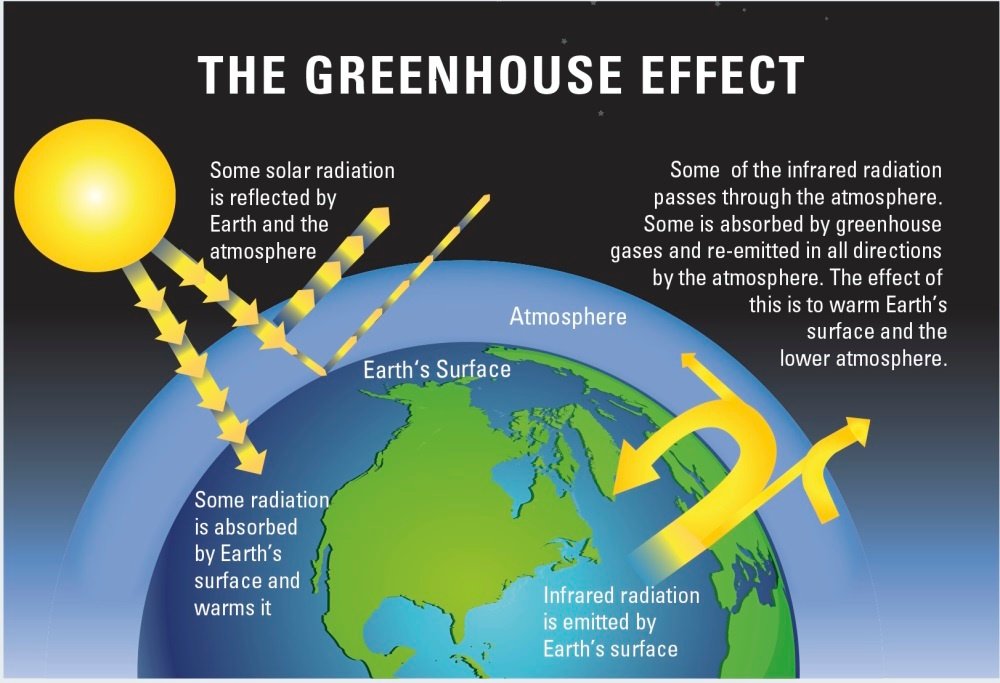
Climate change is one of the biggest global challenges today. The Ministry of Environment develops climate policies, promotes renewable energy, and encourages sustainable practices to reduce greenhouse gas emissions.
5. Public Awareness
The ministry conducts environmental awareness campaigns in schools, colleges, and communities. These programs educate people about recycling, conservation, and eco-friendly lifestyles.
Important Functions of the Ministry
The Ministry of Environment performs various functions to ensure environmental safety and sustainability. These functions include:
- Implementing environmental laws and regulations
- Monitoring industrial pollution levels
- Approving environmental clearances for projects
- Conserving forests and wildlife
- Promoting environmental research and education
- Coordinating climate action programs
- Managing national parks and protected areas
These responsibilities help maintain environmental balance while supporting economic development.

Environmental Laws and Policies
The ministry is responsible for enforcing several major environmental laws in India. Some important acts include:
- Environment Protection Act, 1986
- Wildlife Protection Act, 1972
- Forest Conservation Act, 1980
- Water (Prevention and Control of Pollution) Act, 1974
- Air (Prevention and Control of Pollution) Act, 1981
These laws help control pollution, conserve biodiversity, and protect natural ecosystems.
Role in Sustainable Development
Sustainable development means meeting present needs without harming future generations. The Ministry of Environment promotes sustainable development by encouraging green technology, renewable energy, and eco-friendly industrial practices.
The ministry also supports initiatives like waste recycling, rainwater harvesting, and solar energy adoption. These efforts reduce environmental damage and improve the quality of life for people.
Challenges Faced by the Ministry
Despite its efforts, the Ministry of Environment faces several challenges such as rapid urbanization, industrial pollution, climate change, and illegal deforestation. Increasing population and excessive use of natural resources create additional pressure on the environment.
To overcome these challenges, strong government policies, public participation, and international cooperation are essential.
The Ministry of Environment, Forest and Climate Change plays a crucial role in protecting nature and ensuring sustainable development. Through environmental laws, conservation programs, and climate action initiatives, the ministry works to create a cleaner and greener future. Public support and environmental awareness are equally important in achieving long-term environmental sustainability. By working together, governments and citizens can protect the planet for future generations.