In today’s fast-paced world, finding time for meaningful family interactions can be difficult. Between busy work schedules, school activities, and digital distractions, many families rarely sit down together. However, regular family dinner times offer far more than just a chance to enjoy a meal. They provide an opportunity to strengthen relationships, improve mental well-being, and create lasting memories. Research has consistently shown that sharing meals as a family has significant psychological benefits for both children and adults.
Making family dinners a regular habit is one of the simplest yet most effective ways to promote emotional health and build stronger family connections.
Strengthens Emotional Bonds
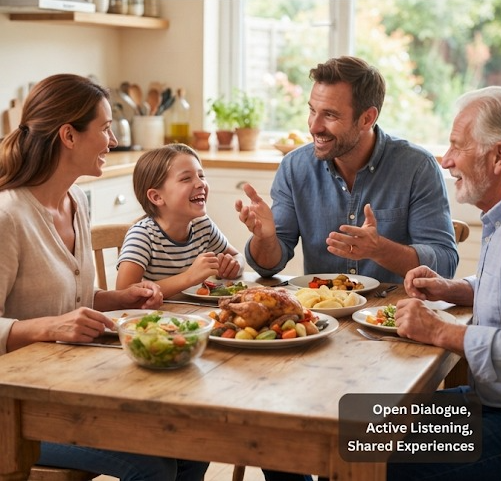
One of the greatest psychological benefits of regular family dinner times is the opportunity to strengthen emotional bonds. Sitting together without distractions allows family members to share their experiences, celebrate achievements, and discuss challenges openly.
These daily conversations create an environment where everyone feels heard and valued. Children who regularly engage in family discussions are more likely to develop trust in their parents and siblings. Likewise, adults benefit from the emotional support that comes from meaningful conversations after a busy day.
Strong emotional connections within families often lead to better communication and healthier relationships.
Reduces Stress and Anxiety
Life can be stressful for both children and adults. School pressures, workplace demands, and personal responsibilities often contribute to anxiety and emotional exhaustion. Regular family dinners provide a comforting routine that helps reduce stress.
Sharing meals creates a sense of stability and security. Talking about the day’s events allows family members to express their emotions and receive encouragement from loved ones. This emotional release helps reduce anxiety while promoting relaxation and mental balance.
Families who consistently eat together often report feeling more connected and emotionally supported during difficult times.
Improves Children’s Mental Health
Children gain numerous psychological advantages from regular family meals. Studies have found that children who frequently eat dinner with their families are less likely to experience depression, loneliness, and behavioural problems.
Family dinners provide a safe space where children can discuss their concerns without fear of judgement. Parents can identify emotional struggles early and offer guidance before problems become more serious.
Children who feel emotionally secure at home often develop higher self-esteem, greater confidence, and stronger coping skills that benefit them throughout life.
Encourages Healthy Communication Skills
Communication is essential for healthy relationships, and family dinner offers the perfect setting to practise these skills. Every meal becomes an opportunity to listen, ask questions, and express thoughts respectfully.
Children learn valuable social skills by observing how adults communicate. They become better at expressing emotions, solving disagreements peacefully, and respecting different opinions.
These communication habits often extend beyond the home, helping children build stronger friendships and succeed in school and future careers.
Builds Confidence and Self-Esteem
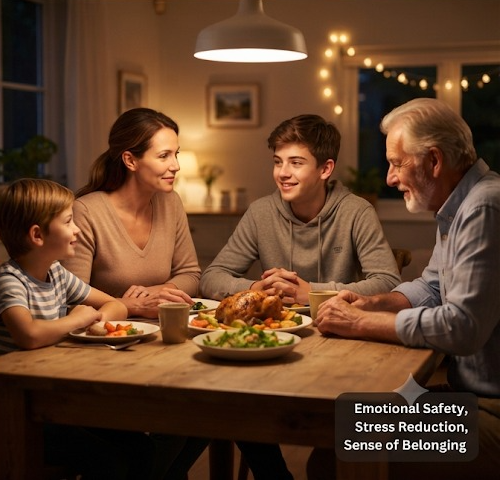
Feeling accepted and appreciated by family members has a direct impact on self-confidence. During family dinners, everyone has the opportunity to participate in conversations, share opinions, and receive positive feedback.
Parents who actively listen and encourage their children during meals help create a sense of belonging. This regular validation increases self-esteem and teaches children that their thoughts and feelings matter.
Adults also benefit from positive family interactions, gaining emotional reassurance and stronger self-worth.
Creates Positive Family Traditions
Regular family dinners often become cherished traditions that children remember for years. These routines create consistency and emotional security, especially during periods of change or uncertainty.
Basic customs like talking about the highlights of the day, showing appreciation, or acknowledging small successes can enhance the significance of family meals.
Such constructive encounters enhance the sense of family unity and form recollections that play a role in enduring emotional health.
Promotes Better Emotional Intelligence
Family dinners help children and adults recognise, understand, and manage emotions more effectively. Listening to others discuss their experiences develops empathy and compassion.
As family members learn to support one another through both successes and challenges, they become more emotionally aware. This emotional intelligence improves relationships, decision-making, and conflict resolution in everyday life.
People with higher emotional intelligence often enjoy better mental health and stronger social connections.
Supports Long-Term Psychological Well-Being
The emotional security built through regular family dinners has lasting effects throughout life. Individuals who grow up sharing meals with their families often develop stronger resilience, healthier coping mechanisms, and better interpersonal relationships.
These positive habits contribute to lower levels of depression, reduced feelings of isolation, and improved overall life satisfaction. Even a few shared meals each week can make a meaningful difference in emotional health.
The psychological benefits of regular family dinner times extend far beyond the dining table. Family meals are crucial for overall well-being as they help in decreasing stress, enhancing emotional connections, boosting communication, self-confidence, and mental well-being. In an increasingly busy world, setting aside time for regular family dinners is a simple yet powerful investment in stronger relationships and healthier minds.
Whether it’s three evenings a week or every night, making family dinner a consistent tradition can create lifelong emotional benefits for every member of the household.
Adolf Hitler Biography and His Brutality
What Is Middle East and Why Is It Called Middle East?
Read Also:Dating Or Matrimony Website Design