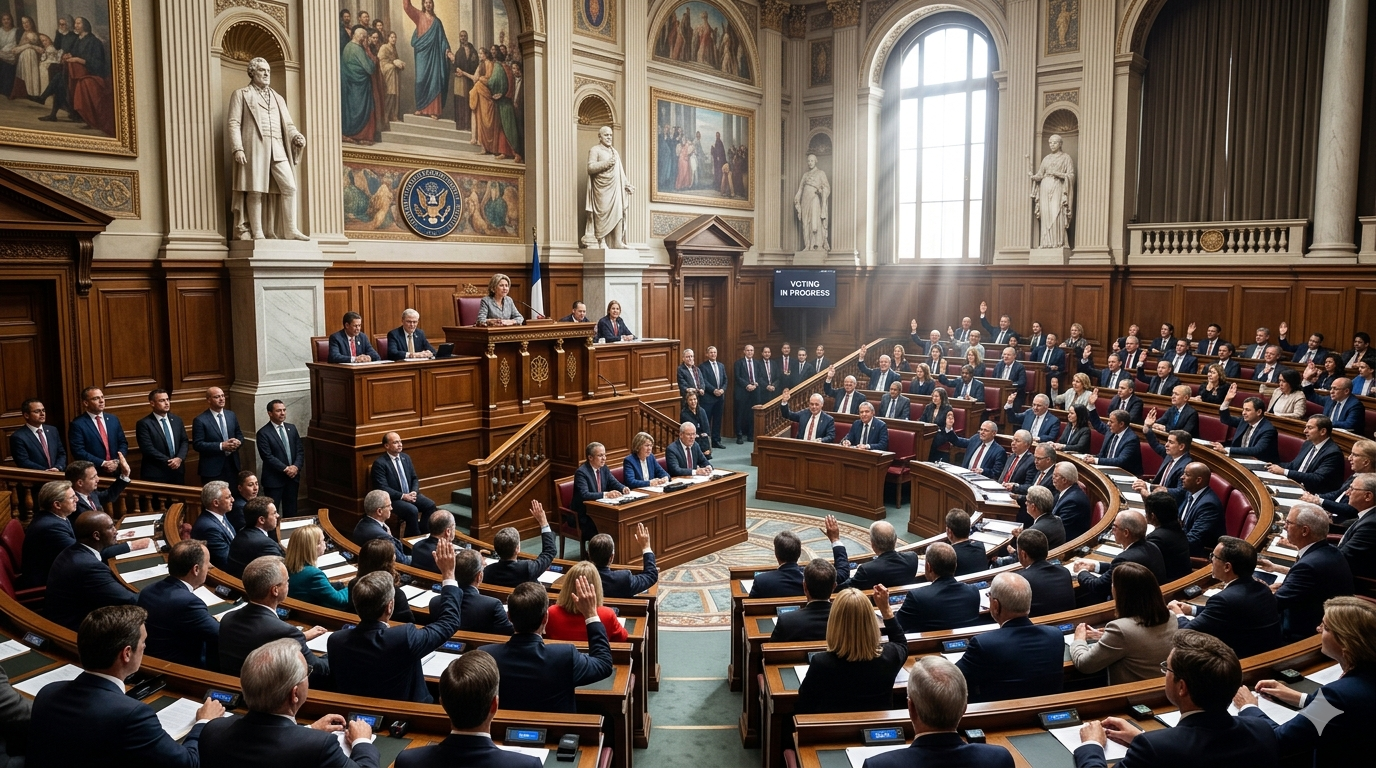
Democracy is one of the most significant concepts in political science. It represents a system of government where citizens have the power to choose their leaders through free and fair elections. In the modern world, democracy plays a major role in protecting human rights, maintaining political stability, and encouraging economic growth. Political scientists study democracy to understand how governments function and how citizens participate in decision-making processes. As societies continue to evolve, democracy remains a central topic in political science research and education.
Understanding Democracy in Political Science
Political Science Topic is the study of government, political behavior, public policies, and political systems. Democracy is an important branch within this field because it directly affects the relationship between the state and its citizens. In democratic countries, people are allowed to express their opinions, vote in elections, and participate in public discussions without fear.
There are different forms of democracy, including direct democracy and representative democracy. In direct democracy, citizens participate directly in decision-making, while representative democracy allows elected officials to make decisions on behalf of the people. Most modern countries follow representative democracy because it is more practical for large populations.
Key Features of a Democratic Government
A democratic government is based on several important principles. The first principle is political equality. Every citizen has equal voting rights regardless of religion, race, gender, or social status. The second principle is the rule of law, which means everyone must follow the law, including government officials.
Another important feature is freedom of speech and expression. Citizens can criticize government policies and share their opinions openly. Free and fair elections are also essential because they ensure that leaders are chosen by the people. Additionally, democratic governments protect human rights and encourage transparency in administration.
Role of Citizens in Democracy
Citizens are the foundation of a democratic system. Active participation by citizens helps strengthen democracy and improve governance. Voting during elections is one of the most important responsibilities of citizens. Through voting, people can select leaders who represent their interests and values.
Apart from elections, citizens can participate in public debates, political campaigns, and social movements. Political awareness among citizens is necessary for the success of democracy. Educated and informed citizens are more likely to make responsible political decisions and hold leaders accountable for their actions.

Advantages of Democracy
Democracy offers many advantages in society. One of the biggest benefits is the protection of individual freedom. People living in democratic countries usually enjoy freedom of speech, religion, and movement. Democracy also promotes political stability because leaders are elected peacefully through elections instead of violence.
Another advantage is accountability. Elected leaders must answer to the public and can be removed from power if they fail to perform their duties properly. Democracy also encourages social and economic development by allowing people to participate in policymaking and national progress.
Challenges Faced by Modern Democracies
Despite its benefits, democracy also faces several challenges. Corruption, political polarization, and misinformation are major issues in many democratic countries. Sometimes political leaders misuse power for personal gain, which weakens public trust in government institutions.
Low voter turnout is another problem because many citizens do not participate in elections. Social media has also created challenges by spreading false information and influencing public opinion unfairly. Political scientists continue to study these problems and suggest reforms to strengthen democratic systems worldwide.
Democracy remains one of the most valuable political systems in the modern world. It promotes equality, protects human rights, and allows citizens to participate in governance. People can better comprehend the value of democracy and its accompanying duties thanks to political science. Although democracy faces challenges, it continues to evolve and adapt to changing social and political conditions. A strong democracy depends on informed citizens, transparent institutions, and fair political practices. Therefore, the study of democracy is essential for building a stable and progressive society.
Read Also: Social Network Website Design