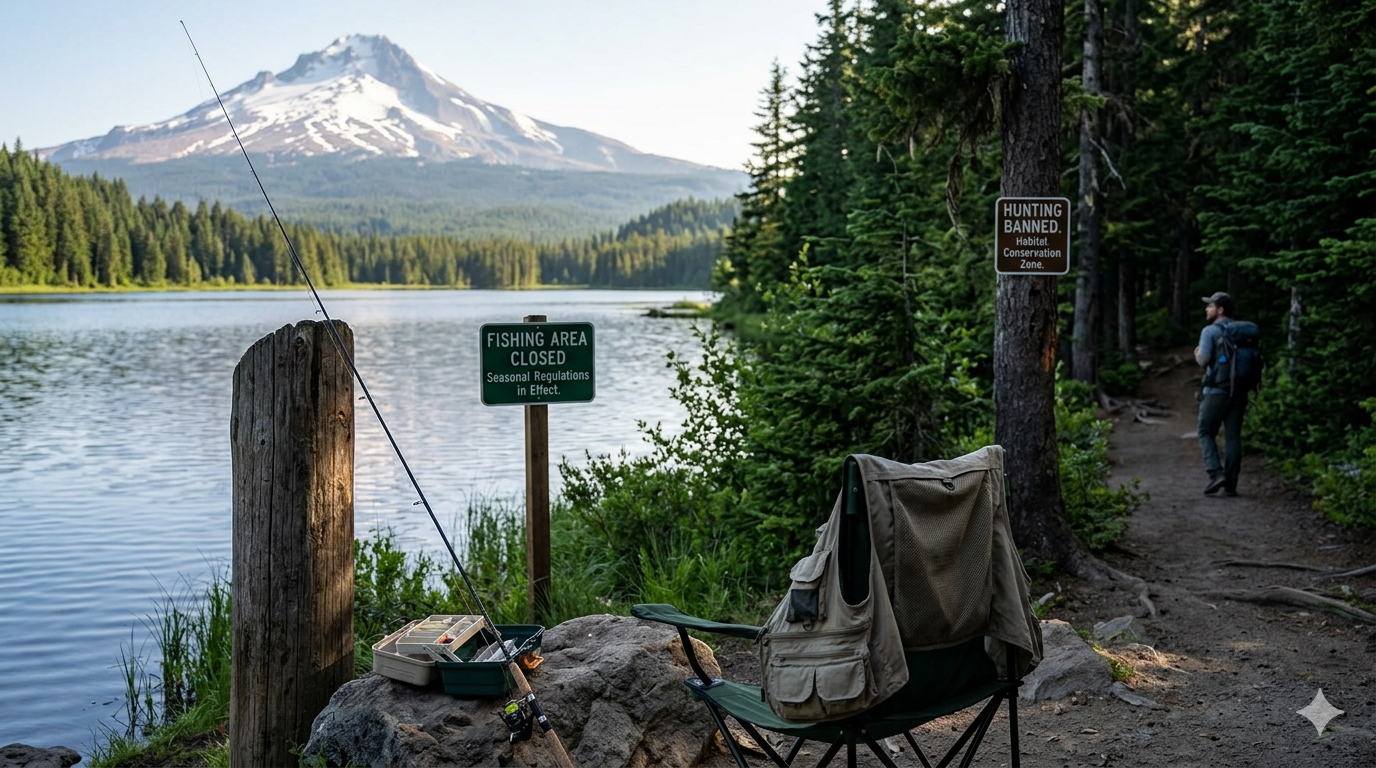
The topic of an Oregon Hunting and Fishing Ban has generated significant discussion among outdoor enthusiasts, conservationists, and local communities. Hunting and fishing have long been part of Oregon’s cultural heritage, contributing to wildlife management, recreation, and the state’s economy. However, ongoing debates about animal welfare, environmental protection, and sustainable resource management have raised questions about the future of these activities.
This article explores the Oregon hunting and fishing ban debate, its potential effects, and what it means for residents and visitors who enjoy outdoor recreation.
Why Is the Oregon Hunting and Fishing Ban Being Discussed?
The discussion surrounding a potential Oregon hunting and fishing ban stems from differing viewpoints on wildlife conservation and ethical treatment of animals. Supporters of restrictions argue that reducing hunting and fishing activities can help protect vulnerable species and preserve natural ecosystems.
On the other hand, opponents believe that regulated hunting and fishing are essential tools for maintaining healthy wildlife populations. State wildlife agencies often use controlled hunting seasons and fishing regulations to prevent overpopulation and manage species effectively.
As environmental concerns continue to evolve, the debate remains a significant issue in Oregon’s outdoor community.
The Importance of Hunting and Fishing in Oregon
Hunting and fishing play a major role in Oregon’s outdoor economy. Every year, thousands of residents and tourists purchase licenses, equipment, and travel services related to these activities. Local businesses, including sporting goods stores, guides, lodges, and restaurants, benefit from the spending generated by outdoor recreation.
Beyond economic contributions, hunting and fishing help fund conservation efforts. Habitat restoration, wildlife research, and environmental education programs are frequently supported by licensing expenses and related taxes. Many conservation projects rely heavily on these funding sources.
For many families, hunting and fishing are also long-standing traditions passed down through generations, making the issue deeply personal.
Potential Effects of a Hunting and Fishing Ban
If a comprehensive Oregon hunting and fishing ban were implemented, the impact could be widespread. Wildlife management programs might need alternative strategies to control animal populations. In some cases, species such as deer or elk could experience population increases, potentially leading to habitat damage and increased human-wildlife conflicts.
The economic impact could also be substantial. Businesses that depend on outdoor recreation may experience reduced revenue, especially in rural communities where hunting and fishing attract visitors throughout the year.
Additionally, conservation funding could face challenges if license sales decline significantly. State agencies may need to identify new revenue sources to support ongoing environmental programs.
Conservation and Sustainable Practices
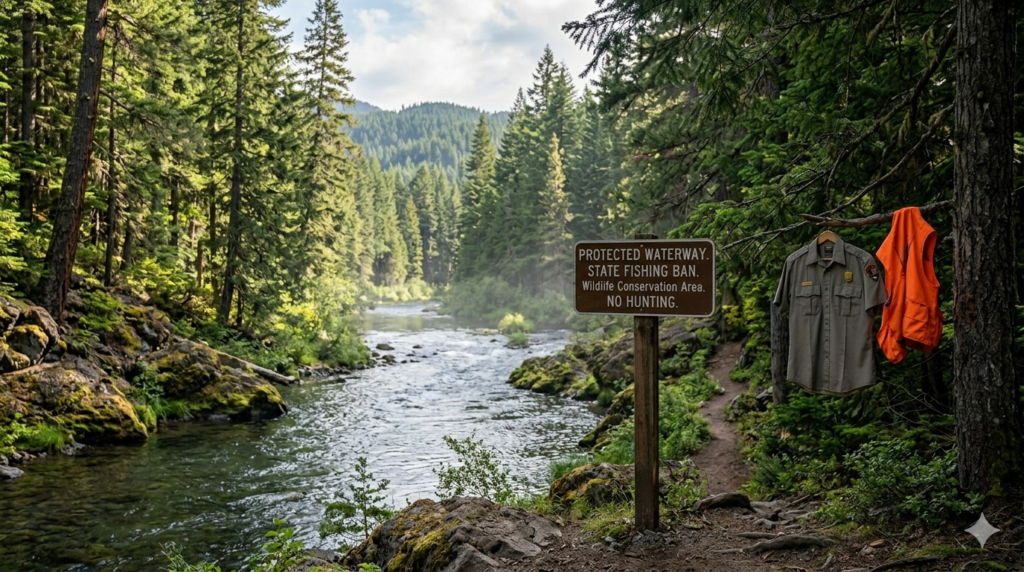
Many experts emphasize that the conversation should focus on sustainable wildlife management rather than an outright ban. Oregon already has regulations designed to protect fish and wildlife populations while allowing responsible recreation.
These measures include seasonal restrictions, catch limits, licensing requirements, and habitat protection initiatives. By following science-based management practices, wildlife officials aim to balance conservation goals with recreational opportunities.
Supporters of regulated hunting and fishing argue that these approaches provide a practical solution that benefits both wildlife and local communities.
Public Opinion and Future Outlook
Public opinion on an Oregon hunting and fishing ban remains divided. Animal rights advocates often support stronger protections for wildlife, while hunters, anglers, and many conservation organizations favor regulated access rather than prohibition.
Future policy decisions will likely depend on scientific research, public input, and environmental considerations. As Oregon continues to address wildlife conservation challenges, stakeholders from various backgrounds will play an important role in shaping the state’s outdoor policies.
The Oregon hunting and fishing ban debate highlights the complex relationship between conservation, recreation, and economic interests. While some advocate for stricter restrictions to protect wildlife, others believe regulated hunting and fishing remain valuable tools for conservation and population management.
Understanding the perspectives on both sides can help foster informed discussions about the future of Oregon’s natural resources. Regardless of the outcome, maintaining healthy ecosystems and preserving wildlife for future generations will remain a shared goal for many Oregonians.
Read Also: Big Game Hunting Rifles and Optics