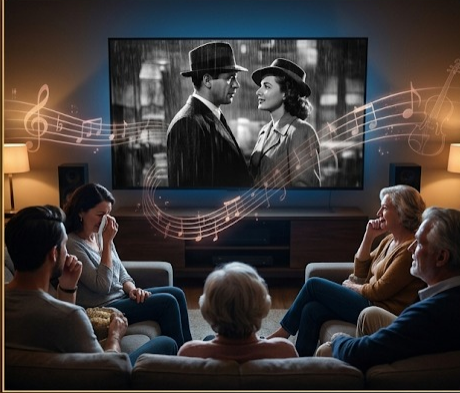
Movies are remembered for many reasons: powerful performances, unforgettable stories, stunning visuals, and the emotions they create. Yet one element often works quietly in the background—the movie score. A familiar melody can instantly transport audiences to a particular scene, character, or period of their lives. This emotional connection explains why movie score nostalgia continues to influence cinema audiences and remains an important part of the movie-watching experience.
The Emotional Power of Movie Music
Music has a unique ability to trigger emotions and memories. Unlike dialogue, which depends on words and context, a musical theme can communicate feelings without explanation. A dramatic orchestral arrangement may create excitement, while a soft piano melody can bring sadness or warmth.
When audiences hear a soundtrack associated with a beloved film, they may remember where they were when they first watched it. This personal connection makes movie music more than background sound. It becomes part of the audience’s own memories.
How Nostalgia Shapes Cinema Audiences
Nostalgia encourages people to revisit experiences that feel familiar and meaningful. In cinema, this can influence what audiences choose to watch. A recognizable theme from an older movie may encourage viewers to rewatch the film, recommend it to others, or introduce it to younger family members.
Studios also understand the marketing value of nostalgia. Reboots, remakes, sequels, and anniversary screenings often use recognizable musical themes to create an immediate emotional connection. Even before the story begins, a familiar score can make audiences feel connected to the film.
Classic Scores and Modern Movie Experiences
Modern filmmakers frequently use music inspired by earlier cinematic traditions. Some productions bring back original themes, while others create new compositions that capture the atmosphere of classic films.
This approach allows contemporary cinema to combine old emotions with new storytelling techniques. Audiences who grew up with earlier movies can experience a sense of familiarity, while younger viewers may discover musical themes for the first time.
The result is a bridge between generations. A memorable score can become a shared cultural experience rather than something connected only to one movie.
Movie Scores and Audience Memory
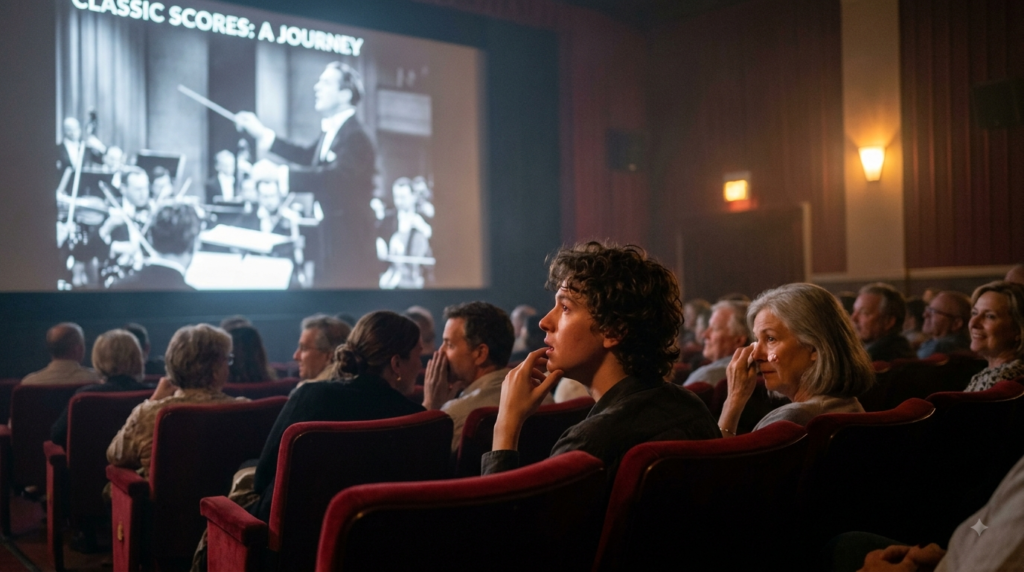
One reason film music creates such powerful nostalgia is its connection with emotional moments. Audiences may associate a particular melody with a character’s journey, a romantic scene, a major victory, or a heartbreaking ending.
Over time, hearing that melody outside the cinema can bring those memories back. This phenomenon demonstrates how strongly sound can become connected to personal experiences. A movie score can therefore remain meaningful long after audiences have forgotten smaller details of the plot.
Why Nostalgic Music Still Matters
Despite the growth of streaming platforms and changing entertainment habits, nostalgic movie music remains influential. Audiences now have easier access to classic films and their soundtracks, allowing older musical themes to reach new listeners.
Social media has also helped popular movie scores return to public attention. Short videos, fan edits, anniversary celebrations, and soundtrack discussions can introduce iconic themes to audiences who may never have experienced the original film in theaters.
The Future of Movie Score Nostalgia
As cinema continues to evolve, nostalgia will likely remain an important creative and marketing tool. However, successful filmmakers need to balance familiarity with originality. Simply repeating an old theme may create recognition, but a thoughtfully redesigned musical idea can produce a deeper emotional response.
The strongest movie scores do more than support a story. They become part of the audience’s memory. Whether through a classic melody or a modern interpretation, film music can connect different generations and keep cinematic experiences alive.
Movie score nostalgia has a lasting influence on cinema audiences because music connects films with emotions, memories, and personal experiences. A familiar melody can bring back an entire cinematic world within seconds. As filmmakers continue exploring new storytelling methods, the emotional power of memorable scores will remain an essential part of cinema, proving that sometimes a few musical notes can be just as unforgettable as an entire movie.
Top 10 Best Oscar-Winning Movies of All Time
Top 10 Horror Movies on Netflix
Read Also: Video Websites design