
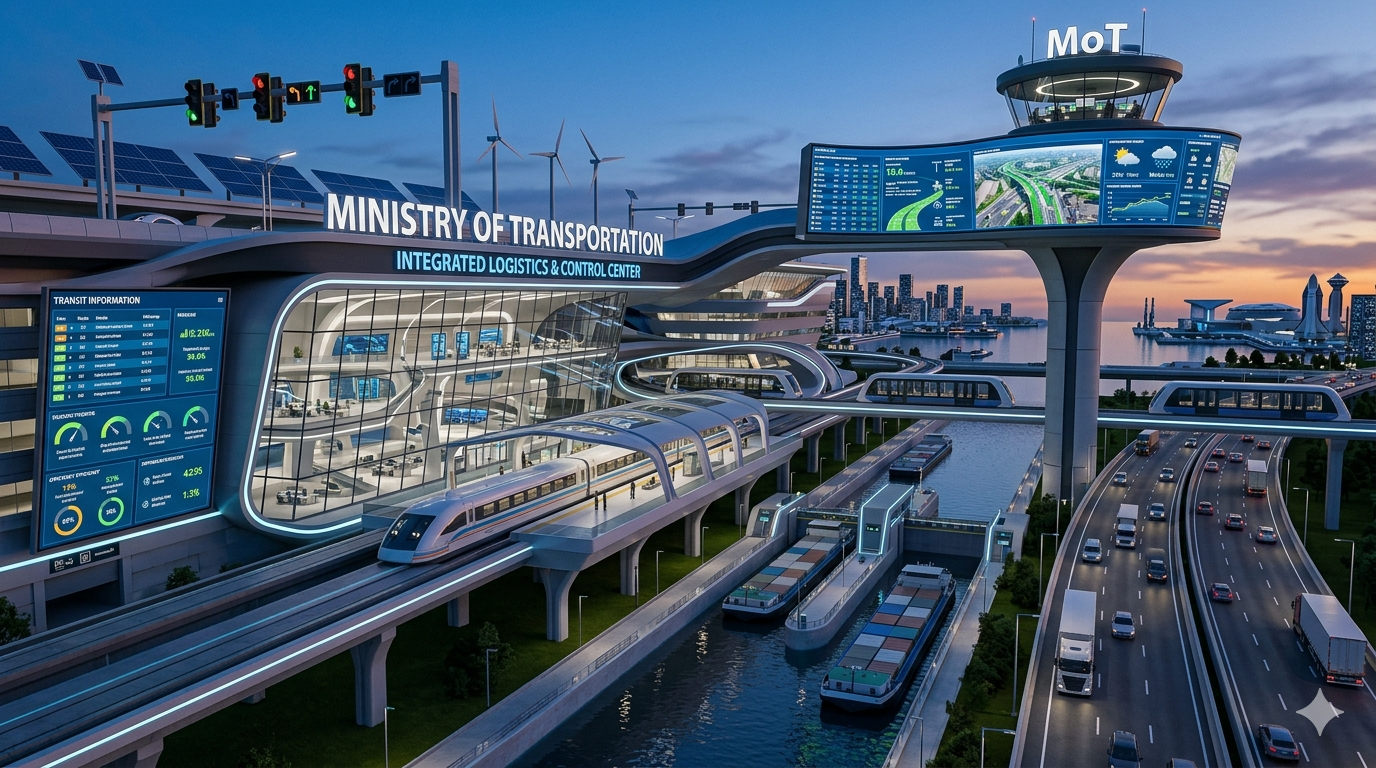
The Ministry of Transportation plays a vital role in the economic growth and infrastructure development of any country. It is responsible for planning, managing, and improving transportation systems, including roads, railways, airports, ports, and public transit networks. A strong transportation system supports trade, tourism, employment, and daily commuting, making the ministry one of the most important government departments.
Importance of the Ministry of Transportation
Transportation is the foundation of a modern economy. The Ministry of Transportation ensures that people and goods can move safely and efficiently from one place to another. Without proper transportation infrastructure, businesses would struggle to deliver products, workers would face commuting challenges, and economic growth would slow down.
The ministry helps connect cities, towns, and rural areas through highways, railways, bridges, and public transport systems. It also develops policies that improve traffic management, road safety, and environmental sustainability. Efficient transportation systems reduce travel time, lower fuel consumption, and increase productivity.
Key Responsibilities of the Ministry of Transportation
The Ministry of Transportation performs several important functions that support national development. Some of the major responsibilities include:
1. Infrastructure Development
One of the primary duties of the ministry is to build and maintain transportation infrastructure. This includes roads, expressways, bridges, airports, railway stations, and seaports. Proper infrastructure improves connectivity and supports industrial and commercial growth.
2. Public Transportation Management
The ministry oversees buses, metro rail systems, taxis, and other public transportation services. Its goal is to provide affordable, reliable, and safe travel options for citizens. Well-managed public transport helps reduce traffic congestion and air pollution in urban areas.
3. Road Safety and Traffic Regulations
Ensuring road safety is another major responsibility of the ministry. It creates traffic laws, safety guidelines, and awareness campaigns to reduce accidents. The ministry also works with law enforcement agencies to improve driver behavior and vehicle safety standards.
4. Environmental Sustainability
Modern transportation policies focus on reducing environmental impact. The Ministry of Transportation promotes eco-friendly initiatives such as electric vehicles, green public transport, and fuel-efficient technologies. Sustainable transportation systems help reduce carbon emissions and protect the environment.
5. Economic and Trade Support
Transportation networks are essential for trade and commerce. The ministry helps businesses move goods quickly and efficiently across regions and international borders. Improved logistics and transportation services strengthen the economy and encourage foreign investment.
Role of Technology in Modern Transportation
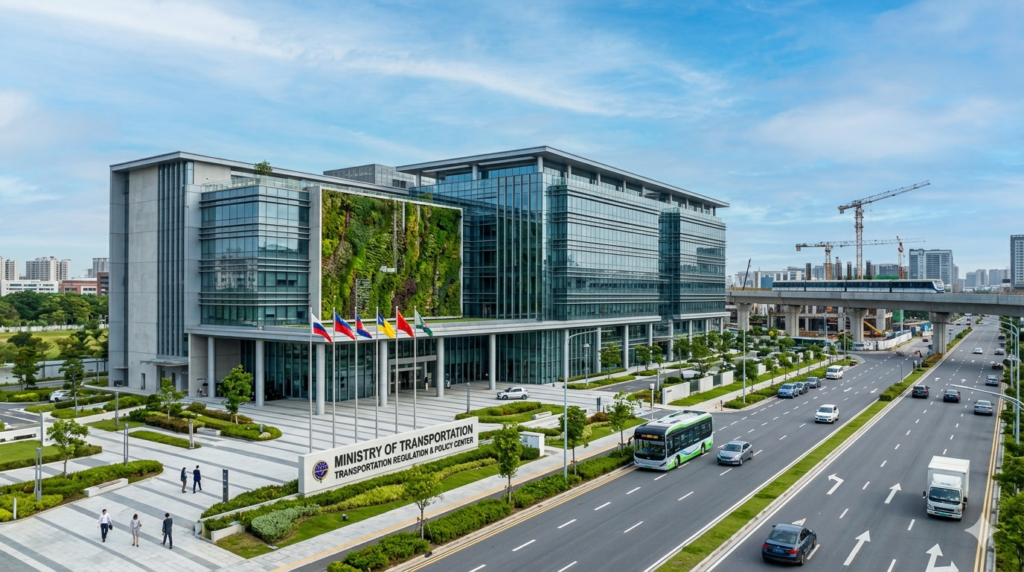
Technology has transformed transportation systems worldwide. The Ministry of Transportation now uses digital tools and smart technologies to improve efficiency and safety. Smart traffic signals, GPS tracking, automated toll systems, and intelligent transportation systems are becoming increasingly common.
Many countries are also investing in high-speed rail, electric buses, and smart city transportation projects. These innovations help reduce congestion, save energy, and improve the passenger experience.
Online services provided by transportation ministries also make it easier for citizens to renew driving licenses, register vehicles, and pay fines digitally. This improves transparency and reduces paperwork.
Challenges Faced by the Ministry of Transportation
Despite its importance, the Ministry of Transportation faces several challenges. Rapid urbanization increases traffic congestion and puts pressure on existing infrastructure. Funding large transportation projects can also be difficult, especially in developing countries.
Road accidents, pollution, and aging infrastructure are additional concerns. To address these challenges, governments must invest in long-term transportation planning and adopt modern technologies.
Climate change also affects transportation systems through floods, storms, and extreme weather conditions. The ministry must develop resilient infrastructure that can withstand environmental challenges.
The Ministry of Transportation is essential for national progress and economic stability. By developing infrastructure, improving public transportation, promoting road safety, and supporting sustainable practices, the ministry contributes significantly to the quality of life and economic growth.
As technology continues to evolve, transportation systems will become smarter, safer, and more environmentally friendly. A strong and efficient Ministry of Transportation ensures better connectivity, stronger trade networks, and improved mobility for future generations.
Read Also: Social Network Website Design