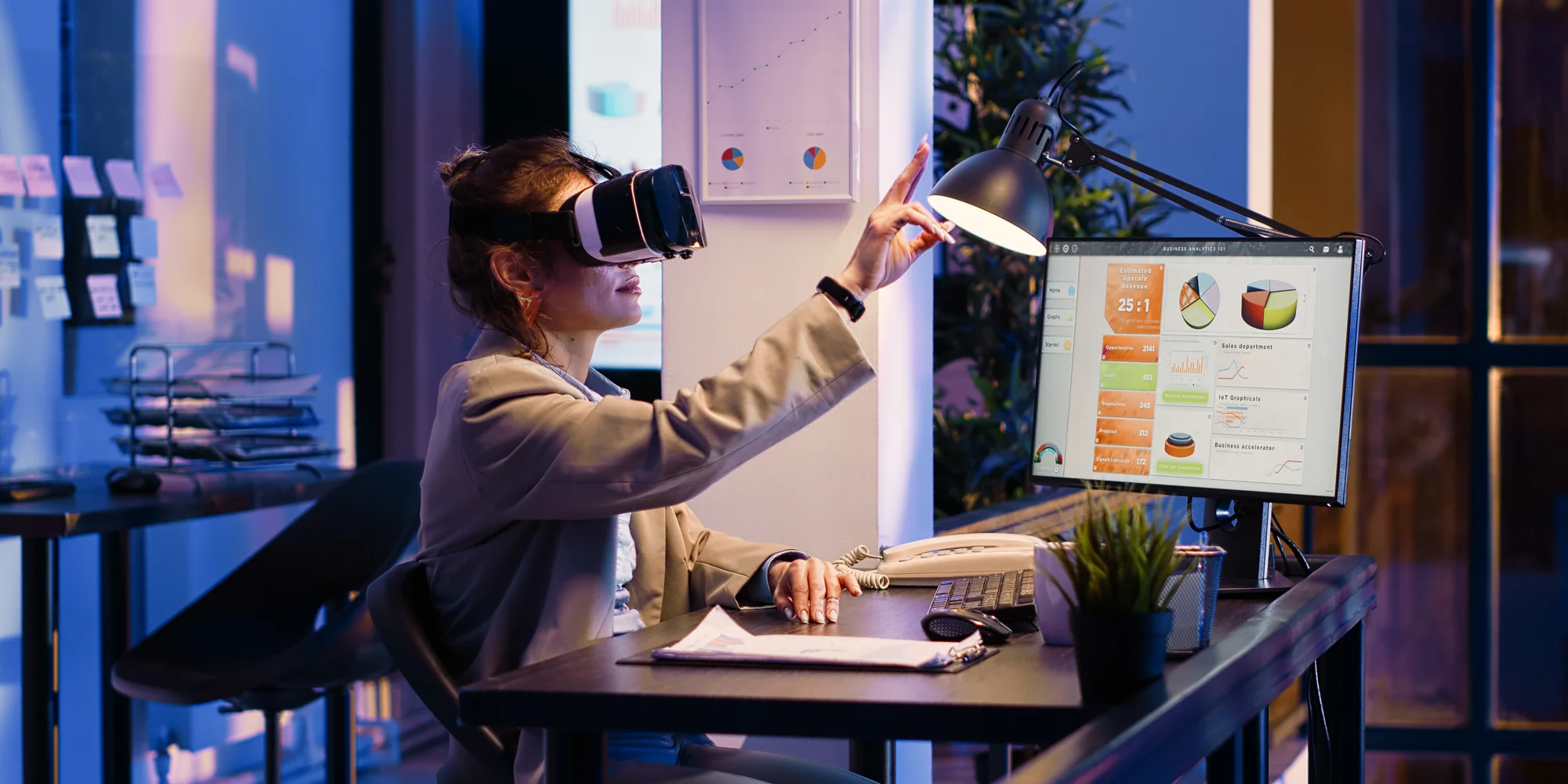
Over the last few years, the idea of the metaverse has changed quickly. Initially, it was closely associated with virtual reality (VR), offering immersive digital environments where users could interact through avatars. However, Metaverse 2.0 is pushing beyond these limitations, creating a more interconnected, intelligent, and realistic digital ecosystem. It is no longer just about wearing a VR headset—it is about blending the physical and digital worlds seamlessly.
What is Metaverse 2.0?
Metaverse 2.0 refers to the next phase of the metaverse, where technologies such as artificial intelligence (AI), augmented reality (AR), blockchain, and the Internet of Things (IoT) come together. Unlike the early version, which focused primarily on gaming and virtual spaces, this new evolution is about real-world integration. It allows users to work, socialize, shop, and even own digital assets in a decentralized environment.
Key Features of Metaverse 2.0
1. Hyper-Realistic Experiences
Metaverse 2.0 leverages advanced graphics, AI, and real-time data processing to create highly realistic environments. Users can experience lifelike interactions that go beyond simple avatars, making digital communication more natural and engaging.
2. Cross-Platform Connectivity
One of the biggest limitations of the earlier metaverse was fragmentation. Metaverse 2.0 aims to solve this by enabling seamless connectivity across different platforms. Whether you are using a smartphone, AR glasses, or a desktop, the experience remains consistent.
3. Digital Ownership with Blockchain
Blockchain technology plays a crucial role in Metaverse 2.0 by enabling true ownership of digital assets. Users can buy, sell, and trade virtual goods such as land, clothing, and art using cryptocurrencies and NFTs, ensuring transparency and security.
4. Integration with the Real World
Unlike traditional VR environments, Metaverse 2.0 bridges the gap between digital and physical spaces. For example, AR can overlay digital elements onto real-world surroundings, making everyday activities more interactive and informative.
Technologies Powering Metaverse 2.0
Metaverse 2.0 is driven by a combination of cutting-edge technologies:
- Artificial Intelligence (AI): Enhances user interactions and personalizes experiences.
- Augmented Reality (AR): Blends digital content with the real world.
- 5G and Advanced Connectivity: Ensures faster data transfer and low latency.
- Blockchain: Provides decentralized ownership and secure transactions.
- Cloud Computing: Supports large-scale virtual environments.
These technologies work together to create a more scalable and immersive metaverse ecosystem.

Use Cases of Metaverse 2.0
1. Virtual Workspaces
Companies are adopting metaverse platforms for remote collaboration. Employees can attend meetings, brainstorm ideas, and work together in virtual offices, improving productivity and reducing travel costs.
2. Education and Training
Metaverse 2.0 offers interactive learning experiences. Students can explore historical sites, conduct virtual experiments, and engage in simulations that enhance understanding and retention.
3. E-Commerce and Retail
Brands are using the metaverse to create virtual stores where customers can try products before purchasing. This immersive shopping experience boosts customer engagement and satisfaction.
4. Healthcare
Medical professionals can use the metaverse for training, remote consultations, and even virtual surgeries. This improves accessibility and efficiency in healthcare services.
Challenges and Concerns
Despite its potential, Metaverse 2.0 faces several challenges:
- Privacy Issues: Handling user data securely is a major concern.
- High Costs: Advanced hardware and infrastructure can be expensive.
- Digital Divide: Not everyone has access to the required technology.
- Regulation: Governments are still developing policies for virtual environments.
Addressing these challenges is essential for the widespread adoption of the metaverse.
The Future of Metaverse 2.0
The future of Metaverse 2.0 looks promising. As technology continues to advance, we can expect more realistic experiences, better accessibility, and wider adoption across industries. It has the potential to transform how we interact, work, and live by creating a unified digital-physical ecosystem.
Metaverse 2.0-Beyond Virtual Reality represents a significant leap forward from traditional virtual reality. By integrating advanced technologies and focusing on real-world applications, it is reshaping the digital landscape. While challenges remain, its potential to revolutionize industries and everyday life makes it one of the most exciting developments in the tech world today.
Effects of AI in Upcoming Technology
Manhole – Essential Access Points in Urban Infrastructure
RCPC Manhole Covers and Frames
Read Also : Social Network Website Design