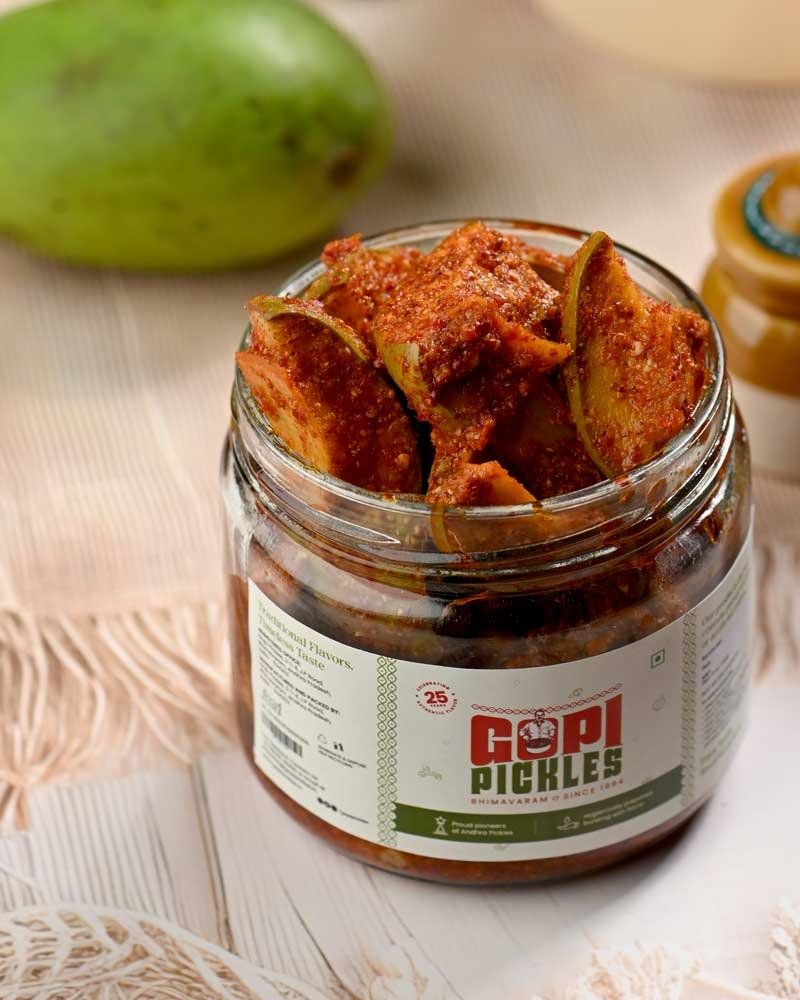
Mango pickle is one of the most loved condiments in Indian cuisine. Known for its bold flavors, spicy aroma, and tangy taste, mango pickle has been a staple in households for generations. Made primarily from raw mangoes and a blend of traditional spices, this pickle not only enhances meals but also carries cultural and emotional significance. From simple home-cooked meals to festive feasts, mango pickle adds an irresistible punch to every plate.
What Is Mango Pickle?
Mango pickle, commonly known as Aam ka Achar, is prepared using unripe green mangoes mixed with spices, oil, and salt. The preparation method and spice mix vary across regions, making each version unique. While North Indian mango pickle is usually spicy and oily, South Indian versions may include sesame oil and additional lentils for texture. Despite regional differences, the essence of mango pickle remains the same—strong, flavorful, and unforgettable.
Ingredients That Make Mango Pickle Special

The magic of mango pickle lies in its carefully chosen ingredients. Raw mangoes provide the perfect balance of sourness and firmness. Mustard seeds, fenugreek, fennel, turmeric, red chili powder, and asafoetida (hing) are commonly used spices. Mustard oil or sesame oil acts as a natural preservative while enhancing flavor. Salt plays a crucial role in fermentation and shelf life, making the pickle last for months when stored properly.
Traditional Method of Preparing Mango Pickle
Traditional mango pickle preparation is a slow and patient process. The mangoes are washed, dried thoroughly, and cut into uniform pieces. Drying is important to remove moisture and prevent spoilage. The mango pieces are then mixed with salt and spices and left to rest for a few days. Finally, oil is added, and the pickle is stored in airtight glass jars. Over time, the flavors mature, resulting in a rich and complex taste.
Health Benefits of Mango Pickle
When consumed in moderation, mango pickle offers several health benefits. Raw mangoes are rich in vitamin C, which supports immunity and digestion. Spices like mustard seeds and fenugreek aid gut health and metabolism. The fermentation process encourages the growth of beneficial bacteria, which can improve digestion. However, due to its high salt and oil content, mango pickle should be eaten in small quantities.
Mango Pickle in Indian Cuisine
Mango pickle pairs perfectly with a wide variety of dishes such as dal-chawal, parathas, khichdi, curd rice, and even plain roti. It is often served as a side dish to elevate simple meals. In many households, mango pickle recipes are family heirlooms, passed down through generations, making each jar deeply personal and nostalgic.
Why Mango Pickle Remains Popular Today
Despite the availability of modern sauces and dips, mango pickle continues to hold a special place in kitchens worldwide. Its long shelf life, intense flavor, and versatility make it a favorite across age groups. Today, mango pickle is not only prepared at home but also produced commercially and exported globally, introducing traditional Indian flavors to international audiences.
Mango pickle is more than just a condiment—it is a celebration of tradition, flavor, and craftsmanship. Its unique blend of tanginess, spice, and aroma makes it a timeless favorite. Whether homemade or store-bought, mango pickle continues to bring warmth and excitement to meals, proving that some flavors never go out of style.
State Wise Food Culture in India
Worldwide Famous Spices of India
Read Aslo: Recipe Cuisine