How to Train a Dog?, One of the most crucial tasks of owning a pet is training a dog. A well-trained dog is happier, safer, and easier to manage in everyday life. Whether you have a playful puppy or an older rescue dog, proper training helps build trust and strengthens the bond between you and your furry friend. In this guide, you will learn effective dog training techniques, essential commands, and helpful tips to make training easier and more successful.
Why Dog Training Is Important
Teaching tricks is not the only aspect of training dogs. It helps your dog understand how to behave properly at home and in public places. A trained dog is less likely to develop behavioral issues such as excessive barking, biting, chewing, or jumping on guests.
Training also improves communication between you and your dog. When your dog understands commands clearly, daily activities become smoother and more enjoyable. Additionally, proper obedience training keeps your pet safe in dangerous situations.
Start Training Early
The best time to start training a dog is during puppyhood. Puppies learn quickly and can easily adapt to routines. However, older dogs can also be trained successfully with patience and consistency.
Begin with simple commands and short training sessions. Sessions of 10 to 15 minutes are ideal since dogs, particularly puppies, have a short attention span.
Use Positive Reinforcement
One of the most successful techniques for training dogs is positive reinforcement. This technique rewards good behavior instead of punishing bad behavior.
You can reward your dog with:
- Treats
- Praise
- Toys
- Belly rubs
- Playtime
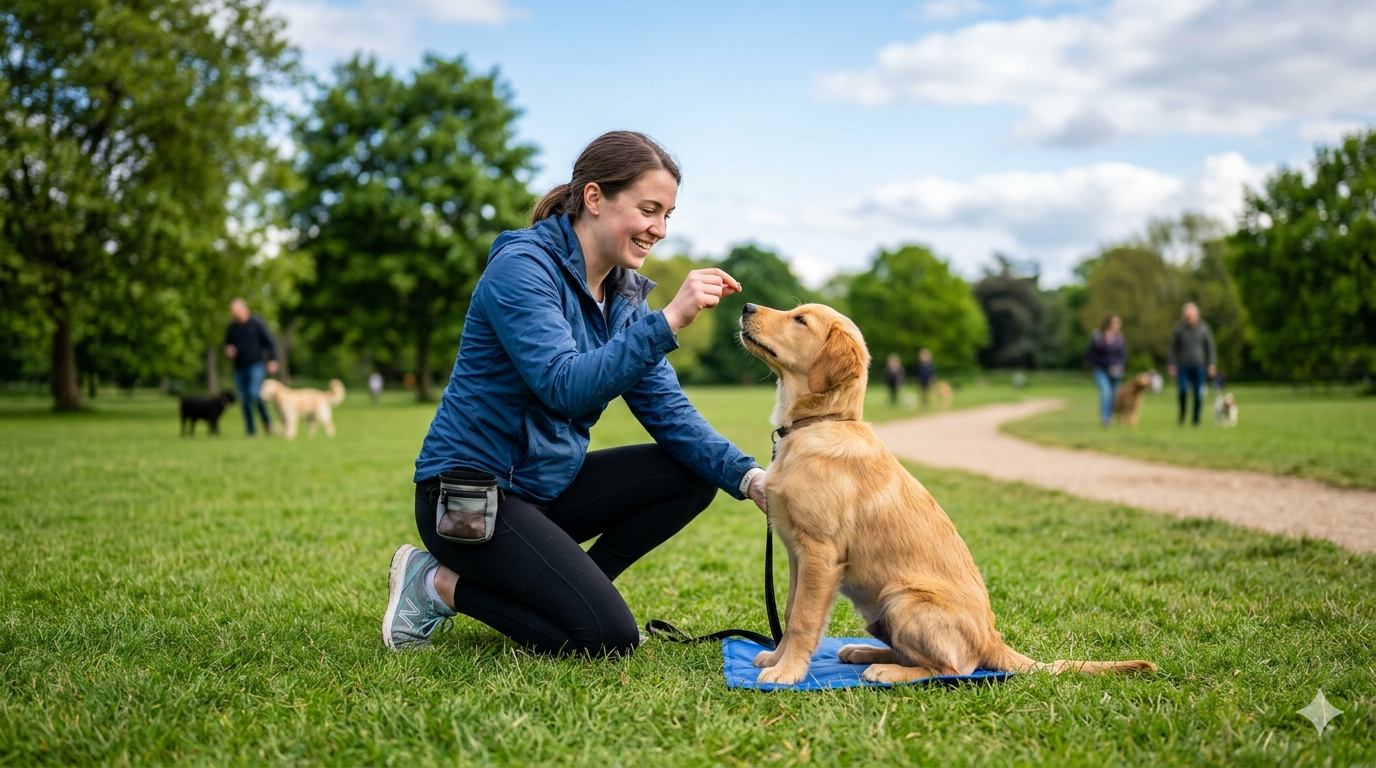
For example, when your dog sits on command, immediately reward them with a treat and say “Good dog!” This helps your dog associate the action with something positive.
Avoid yelling or physical punishment because it can create fear and damage trust.
Teach Basic Commands
Every dog should learn a few basic commands for safety and obedience. Here are the most important ones:
Sit
Hold a treat above your dog’s head and slowly move it backward. As your dog looks up, they will naturally sit. Once seated, say “Sit” and reward them.
Stay
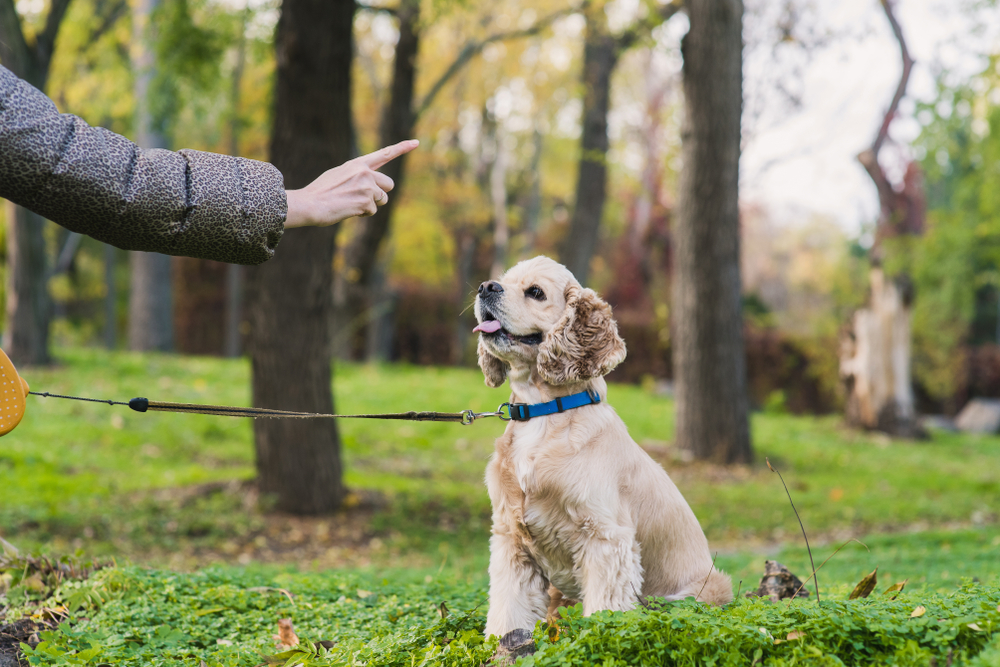
Ask your dog to sit first. Hold your hand out like a stop sign and say “Stay.” Take a step back and reward your dog if they remain in place.
Come
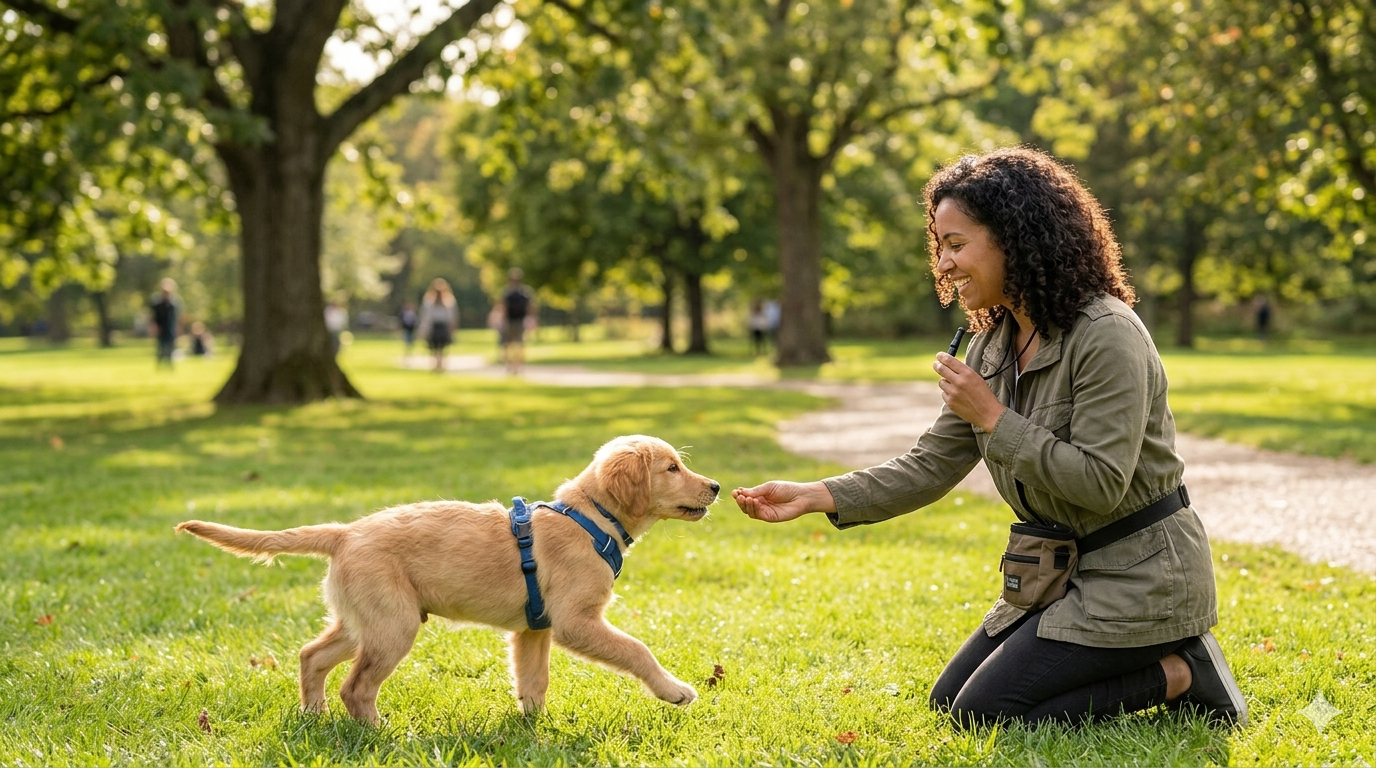
This command is essential for safety. Use a cheerful tone and say “Come” while gently encouraging your dog toward you. Reward them immediately when they arrive.
Down
Hold a treat near the floor and slowly move it away from your dog. Once they lie down, say “Down” and give the reward.
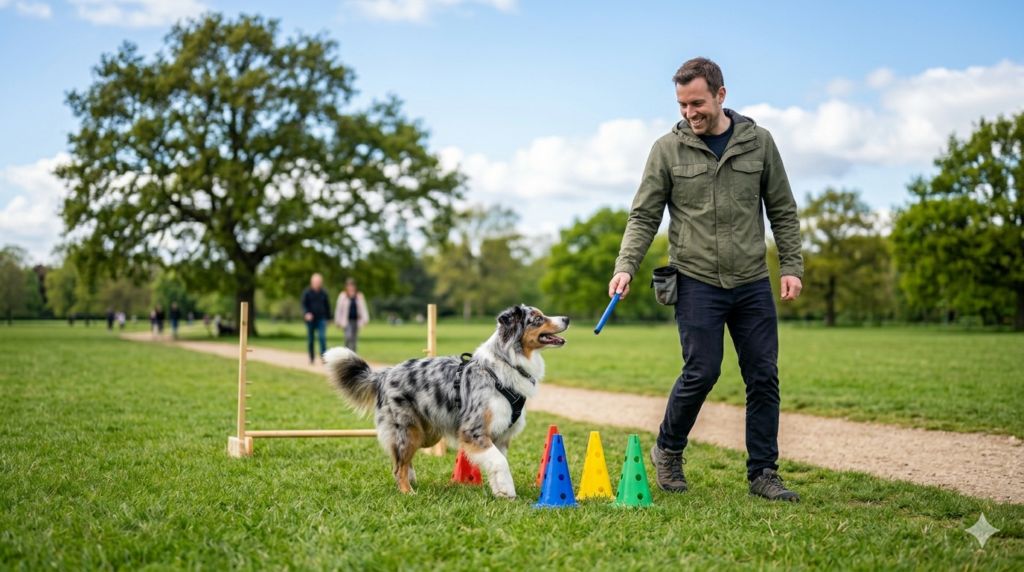
Be Consistent
Consistency is key when training a dog. Use the same commands, tone, and rewards every time. If one family member allows bad behavior while another discourages it, your dog may become confused.
Set clear rules for everyone in the household to follow. Consistent training helps dogs learn faster and reduces mixed signals.
Socialize Your Dog
Socialization is an important part of dog training. Expose your dog to different people, pets, sounds, and environments from an early age. Proper socialization helps reduce fear and aggression.
Take your dog on walks, visit parks, or arrange playdates with other friendly dogs. Positive experiences help your dog become more confident and well-behaved.
Handle Bad Behavior Properly
Dogs may occasionally misbehave, especially during training. Common issues include barking, chewing, digging, and jumping.
Instead of punishment, redirect your dog’s attention to acceptable behavior. For example, if your dog chews furniture, provide chew toys instead. Reward positive actions to encourage better habits.
Patience is essential because training takes time and repetition.
Create a Daily Routine
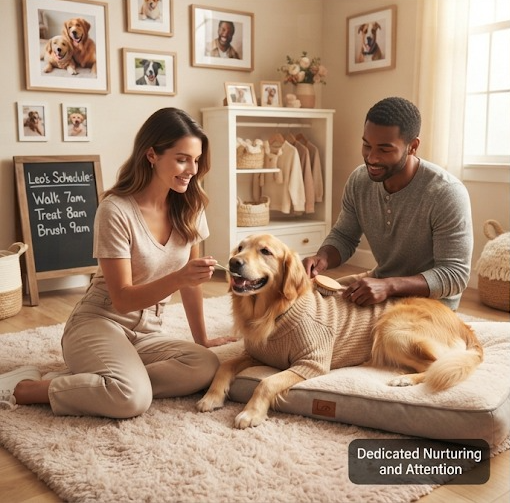
Dogs respond well to routines. Set regular times for feeding, walking, playing, and training. A structured schedule helps dogs feel secure and makes learning easier.
Daily exercise is also important because energetic dogs are more likely to develop behavioral problems if they do not get enough activity.
So,How to Train a Dog?, Patience, consistency, and positive reinforcement are necessary when training a dog. By teaching basic commands, rewarding good behavior, and maintaining a daily routine, you can raise a well-behaved and happy dog. Remember that every dog learns at its own pace, so stay calm and keep training sessions fun and rewarding. With time and dedication, your dog will become a loyal and obedient companion.
Essential Pet Grooming Tips for a Healthy and Happy Pet
Tips and Tricks to Train your pet successfully
Read Also: Top 10 Health Benefits of Having a Pet