Groceries are one of the biggest household expenses, but Save Money on Groceries doesn’t require special skills or years of budgeting experience. Even if you are completely new to grocery shopping, a few simple strategies can help you reduce costs and keep more money in your pocket. This guide explains practical and beginner-friendly ways to save money on groceries without sacrificing quality or nutrition.
Create a Simple Grocery List
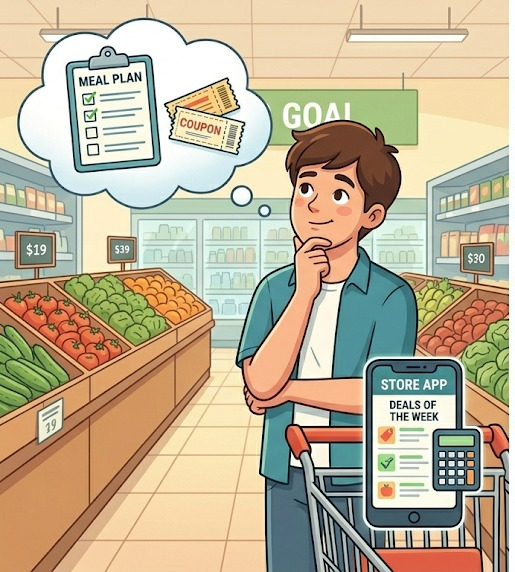
One of the easiest ways to save money is by shopping with a grocery list. Before heading to the store, check your kitchen and note what items you already have. Then, write down only the products you actually need.
A grocery list helps prevent impulse purchases, which can quickly increase your total bill. Adhering to your list also lessens food waste since you’re less likely to purchase needless items that might expire before you use them.
Plan Your Meals in Advance
Meal planning is a powerful money-saving technique for beginners. Instead of deciding what to eat each day, plan your meals for the entire week.
Select recipes with similar ingredients to avoid waste. For example, if you buy a bag of carrots, use them in soups, salads, and side dishes throughout the week. Meal planning reduces last-minute takeout orders and helps you shop more efficiently.
Compare Prices Before Buying
Many shoppers automatically choose the first product they see. However, comparing prices can make a significant difference over time.
Look at the price per unit, such as cost per ounce or kilogram, to determine the best value. Store-brand products are often just as good as name brands but cost much less. Taking a few extra seconds to compare options can lead to substantial savings throughout the year.
Buy Seasonal Produce
In-season fresh produce is typically more cheap. Seasonal produce is often more abundant, fresher, and lower in price than out-of-season alternatives.
Visit local markets or grocery stores to find seasonal deals. You can also freeze extra produce for future use, helping you save money while enjoying healthy foods year-round.

Avoid Shopping When Hungry
Shopping on an empty stomach can lead to unnecessary purchases. Studies have shown that hungry shoppers are more likely to buy snacks, treats, and items they didn’t plan to purchase.
Eat a meal or snack before going to the grocery store. This simple habit can help you stay focused on your list and avoid spending money on impulse buys.
Use Coupons and Store Discounts
Many grocery stores offer digital coupons, loyalty programs, and weekly promotions. Taking advantage of these discounts can significantly lower your grocery bill.
Check store websites, mobile apps, or weekly flyers before shopping. Even small discounts add up over time and can result in noticeable savings throughout the month.
Buy in Bulk When It Makes Sense
Purchasing certain items in bulk can help reduce costs. Products such as rice, pasta, beans, oats, and frozen vegetables often have a lower cost per unit when bought in larger quantities.
However, only buy in bulk if you know you will use the items before they expire. Bulk buying should save money, not create waste.
Reduce Food Waste
Money is lost when food is discarded. Store food properly and use older ingredients before opening new ones.
Leftovers can be transformed into lunches, soups, or quick dinners. Learning to use what you already have can dramatically reduce grocery expenses and make your shopping budget go further.
Saving money on groceries doesn’t require experience or complicated budgeting methods. By creating a grocery list, planning meals, comparing prices, buying seasonal produce, and avoiding food waste, anyone can lower their food expenses. Start with one or two of these strategies and gradually build better shopping habits. Over time, these small changes can lead to significant savings while helping you maintain a healthy and balanced diet.
What Happens After the Death of a Human
Read Also: Html Static Website Design