Every healthy relationship faces challenges, and learning how to have difficult conversations with a partner is one of the most valuable relationship skills you can develop. Whether the topic is finances, trust, intimacy, future goals, or household responsibilities, avoiding uncomfortable discussions often creates bigger problems over time.
The key is not to avoid conflict but to communicate in a way that strengthens your relationship rather than damaging it. Here are practical strategies to help you navigate difficult conversations with confidence, empathy, and respect.
Choose the Right Time and Place
Timing plays a major role in productive communication. Bringing up sensitive topics when your partner is stressed, tired, or distracted can lead to misunderstandings and emotional reactions.
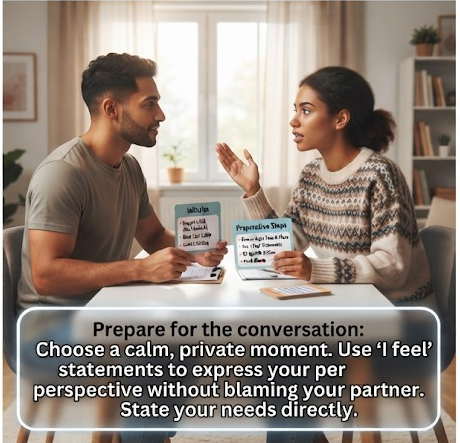
Instead, choose a calm and private setting where both of you have enough time to talk without interruptions. You can even ask, “Is this a good time to discuss something that’s been on my mind?” This simple question shows respect for your partner’s emotional availability.
Start the Conversation Gently
The way you begin a difficult conversation often determines how it will end. Avoid criticism, blame, or accusations that immediately put your partner on the defensive.
Instead of saying, “You never listen to me,” try saying, “I’ve been feeling unheard lately, and I’d like us to talk about it.”
Using “I” statements focuses on your feelings rather than attacking your partner’s character, making it easier for them to listen without feeling judged.
Listen More Than You Speak
Healthy communication isn’t just about expressing your thoughts—it’s also about understanding your partner’s perspective.
Practice active listening by maintaining eye contact, avoiding interruptions, and giving your partner enough time to explain their feelings. After they finish speaking, summarize what you heard by saying something like, “What I’m hearing is that you’ve been feeling overwhelmed.”
This demonstrates empathy and reduces the chances of misunderstandings.
Stay Calm During Emotional Moments
Difficult conversations naturally bring up emotions, but allowing anger to take over can quickly turn a discussion into an argument.
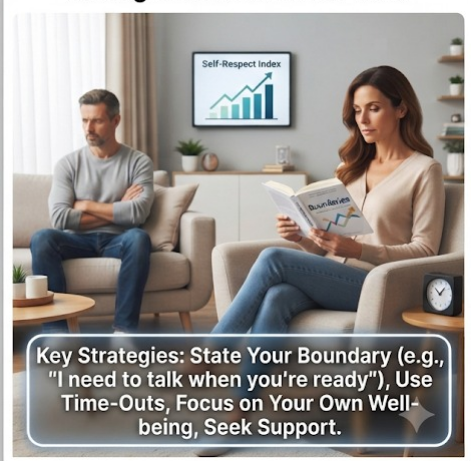
If you notice yourself becoming frustrated, take a few deep breaths and slow the conversation down. If either of you becomes too emotional, it’s okay to take a short break and continue the discussion later.
Remember, the goal is solving the problem together—not winning the argument.

Focus on the Issue, Not the Person
When emotions run high, it’s easy to bring up past mistakes or unrelated problems. Doing so only shifts attention away from the current issue.
Stay focused on one topic at a time and avoid phrases like “You always” or “You never.” Instead, discuss specific situations and behaviors.
Addressing the issue without attacking your partner helps create a solution-focused conversation.
Be Honest While Remaining Respectful
Honesty builds trust, but honesty should never become an excuse for being hurtful.
Share your thoughts openly while choosing words that show kindness and respect. Even if you disagree, acknowledge your partner’s feelings and let them know their perspective matters.
Respectful honesty strengthens emotional intimacy and encourages open communication in the future.
Work Together to Find Solutions
The purpose of a difficult conversation is not to determine who is right or wrong. It’s to solve problems as a team.
After discussing the issue, brainstorm possible solutions together. Ask questions like:
- What can we both do differently?
- What steps can we take to prevent this issue from occurring again?
- What kind of assistance do we require from one another?
Collaborative problem-solving creates a stronger sense of partnership.
Acknowledge that not all issues can be solved right away
Some relationship challenges require multiple conversations rather than one perfect discussion.
Be patient with each other and understand that meaningful change often happens gradually. Continue checking in with your partner and celebrate small improvements along the way.
Consistency, understanding, and mutual effort are the foundations of long-lasting relationships.
Knowing how to have difficult conversations with a partner is essential for building trust, emotional connection, and long-term relationship satisfaction. By choosing the right time, communicating respectfully, listening actively, and focusing on solutions instead of blame, couples can transform uncomfortable discussions into opportunities for growth.
Every relationship experiences disagreements, yet partners who engage in honest and empathetic communication are more prepared to face obstacles as a team. Each sincere discussion, including the tough ones, presents an opportunity to fortify your connection and establish a more robust, more encouraging relationship.
Private Places for Couples in Kolkata
Read Also: Adult Toys Website Design