
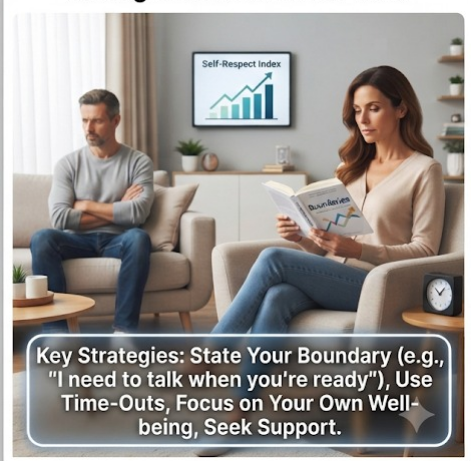
Relationships thrive on trust, respect, and open communication. However, when one partner suddenly stops talking, ignores messages, or refuses to communicate, it can create confusion and emotional pain. This behavior, commonly known as the silent treatment, can damage even the strongest relationships if not handled properly. Learning how to handle silent treatment in relationships can help you protect your emotional well-being while encouraging healthier communication.
What Is the Silent Treatment?
The silent treatment occurs when one person deliberately withdraws communication instead of expressing their feelings. Sometimes people need space to calm down after an argument, which is healthy. However, using silence as a way to punish, manipulate, or control a partner is emotionally harmful.
Understanding the difference between taking a temporary break and intentionally ignoring someone is the first step toward resolving the issue.
Why Do People Give the Silent Treatment?
There are several reasons someone may choose silence over conversation:
- They struggle to express emotions.
- They fear confrontation or conflict.
- They want time to process their thoughts.
- They use silence as a form of emotional control.
- They feel misunderstood or hurt.
Recognizing the underlying reason can help you respond thoughtfully instead of reacting emotionally.
Stay Calm Instead of Reacting
One of the biggest mistakes people make is responding with anger, repeated phone calls, or endless text messages. Although these responses are comprehensible, they frequently exacerbate the situation.
Instead, stay calm and give both yourself and your partner time to cool down. Practice deep breathing, go for a walk, or focus on activities that help reduce stress. Remaining emotionally balanced allows you to approach the situation with clarity rather than frustration.
Communicate Respectfully
Once emotions have settled, try initiating a calm conversation. Use “I” statements rather than blaming your partner. For example:
- “I feel hurt when we stop communicating.”
- “I’d like to understand what’s bothering you.”
- “Can we talk when you’re ready?”
Respectful communication encourages openness and reduces defensiveness, making it easier to resolve disagreements.
Respect Healthy Boundaries

Not every period of silence is unhealthy. Sometimes a partner genuinely needs personal space after an emotional conversation. Respecting this boundary demonstrates maturity and understanding.
However, if the silence continues for days or weeks without explanation, it’s reasonable to express your concerns and ask for honest communication. Healthy relationships balance personal space with emotional responsibility.
Avoid Playing the Same Game
Returning the silent treatment rarely solves the problem. It often creates a cycle where both partners become increasingly distant and resentful.
Opt for showing kindness and being emotionally honest instead of staying silent in response. Breaking the pattern gives your relationship a better chance of healing.
Focus on Your Emotional Well-Being
While waiting for communication to resume, prioritize your own mental and emotional health. Spend time with supportive friends, pursue hobbies, exercise regularly, and maintain your daily routine.
Remember that your happiness should not depend entirely on another person’s response. Building emotional resilience helps you manage relationship challenges more effectively.
Know When the Silent Treatment Becomes Emotional Abuse
Occasional silence during stressful moments is normal. However, repeated silent treatment used to punish, manipulate, or control someone may become emotional abuse.
Warning signs include:
- Ignoring you for extended periods without explanation.
- Refusing all communication after minor disagreements.
- Using silence to make you feel guilty.
- Repeatedly withholding affection or attention as punishment.
If these behaviors continue despite honest conversations, consider seeking support from a trusted friend, relationship counselor, or mental health professional.
Build Stronger Communication Habits
Healthy relationships are built on consistent communication. Schedule regular conversations about feelings, expectations, and concerns before problems grow larger. Practice active listening by giving your partner your full attention without interrupting.
Showing empathy, validating each other’s emotions, and working together to solve problems strengthens trust and reduces future conflicts.
Learning how to handle silent treatment in relationships requires patience, emotional intelligence, and healthy communication skills. Stay calm, express your feelings respectfully, respect reasonable boundaries, and avoid responding with more silence. At the same time, recognize when repeated silent treatment becomes emotionally unhealthy and seek support if needed. Every successful relationship depends on honest conversations, mutual respect, and a willingness to work through challenges together. By choosing understanding over conflict, couples can rebuild trust and create a stronger, more resilient relationship.
Read Also: Wedding Website Design