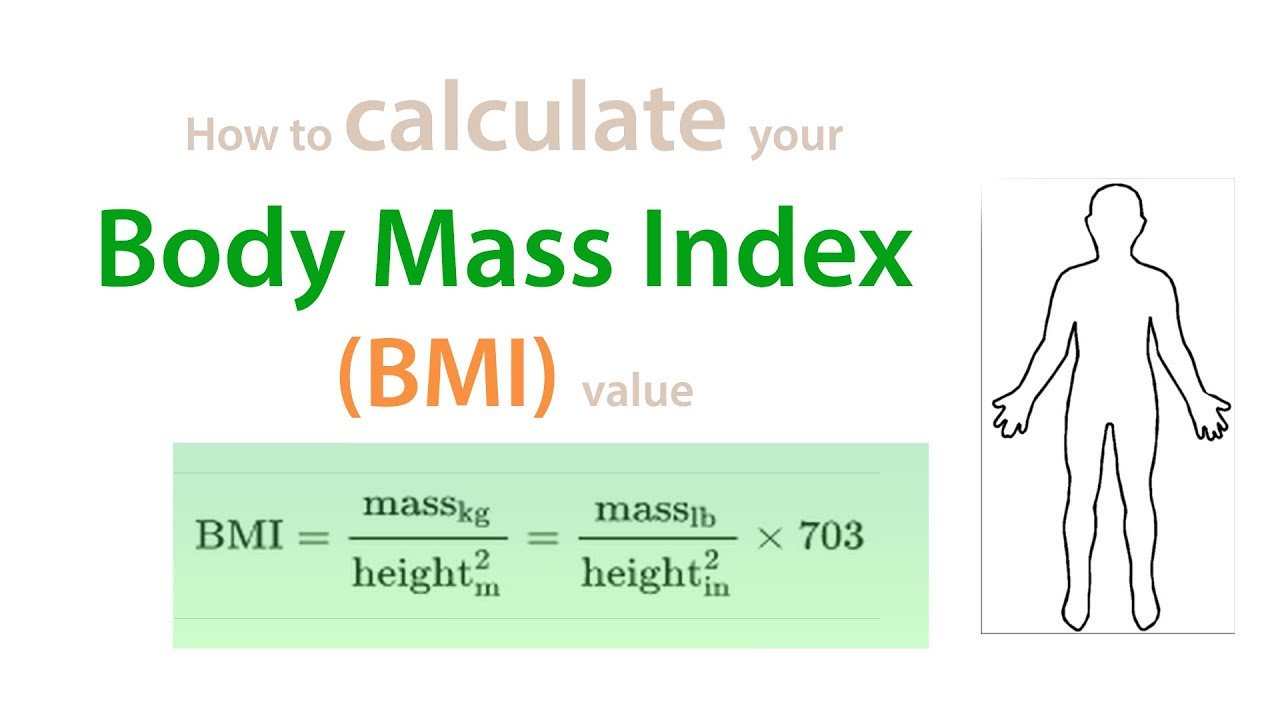
Body Mass Index, commonly known as BMI, is a widely used measurement to assess whether an individual has a healthy body weight for their height. It is a simple and effective tool used by healthcare professionals to identify weight categories such as underweight, normal weight, overweight, and obesity. Calculating BMI helps monitor health risks associated with abnormal body weight, including diabetes, heart disease, and high blood pressure.
The BMI Formula
BMI is calculated using a straightforward formula that relates your weight to your height. The formula is different depending on whether you use the metric system or the imperial system:
- Metric formula:
BMI=weight in kilograms(height in meters)2BMI = \frac{\text{weight in kilograms}}{(\text{height in meters})^2}BMI=(height in meters)2weight in kilograms
- Imperial formula:
BMI=weight in pounds×703(height in inches)2BMI = \frac{\text{weight in pounds} \times 703}{(\text{height in inches})^2}BMI=(height in inches)2weight in pounds×703
For example, if a person weighs 70 kilograms and is 1.75 meters tall, the calculation would be: BMI=701.75×1.75=22.86BMI = \frac{70}{1.75 \times 1.75} = 22.86BMI=1.75×1.7570=22.86
Interpreting BMI Results
Once calculated, BMI is classified into different categories:
- Underweight: BMI less than 18.5
- Normal weight: BMI between 18.5 and 24.9
- Overweight: BMI between 25 and 29.9
- Obesity: BMI 30 and above

These categories provide a quick assessment of weight-related health risks. However, it’s important to note that BMI does not distinguish between muscle and fat mass, so athletes and highly muscular individuals may have a higher BMI without being overweight.
Practical Ways to Measure BMI
You can calculate BMI manually using the formulas above, or use online BMI calculators and smartphone apps, which simplify the process. Additionally, healthcare providers often measure BMI during routine check-ups and may combine it with other measurements, such as waist circumference, to better assess health risks.
Calculating BMI is an easy and practical method to evaluate whether your body weight falls within a healthy range for your height. While it is not a perfect measurement, it serves as a useful starting point for monitoring weight-related health risks. Combining BMI with other indicators and consulting a healthcare professional can help you maintain a balanced and healthy lifestyle.
The Benefits of a Mediterranean Diet