Teenage years are filled with exciting opportunities, personal growth, and emotional challenges. One of the biggest reasons behind these emotional ups and downs is hormonal change. Many parents and teenagers often wonder why moods can shift so quickly during adolescence. The answer lies in the body’s natural process of growth and development.
In this article, we’ll explore how hormones affect teenage mood swings, why these changes happen, and practical ways to manage them in a healthy manner.
What Are Hormones?
Chemical messengers generated by endocrine system glands are called hormones. They travel through the bloodstream and regulate important body functions such as growth, metabolism, sleep, reproduction, and emotions.
During puberty, the body begins producing larger amounts of hormones, triggering physical and emotional changes. These hormonal fluctuations are a normal part of growing up but can significantly influence a teenager’s mood and behavior.
Why Do Teenagers Experience Mood Swings?
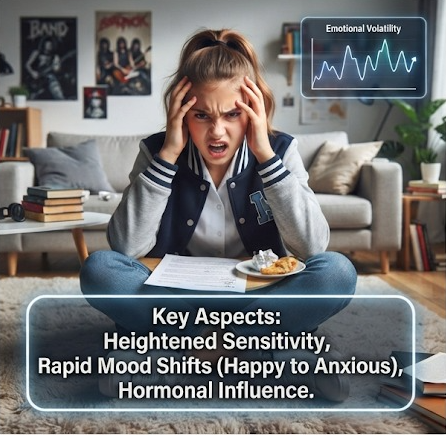
Mood swings occur because the teenage brain and hormonal system are developing at the same time. Hormones interact with brain chemicals that control emotions, making teenagers more sensitive to stress, excitement, frustration, and happiness.
It is completely normal for teenagers to feel energetic one moment and emotional the next. These changes usually become more stable as they grow older and their hormone levels balance out.
Key Hormones That Affect Teenage Mood
1. Estrogen
Estrogen plays a major role in female puberty. It influences brain chemicals like serotonin and dopamine, which regulate mood and emotions. Fluctuations in estrogen levels can contribute to irritability, sadness, anxiety, or increased emotional sensitivity.
2. Testosterone
Although commonly associated with boys, testosterone is present in both males and females. During puberty, testosterone levels rise significantly in boys, contributing to increased confidence, competitiveness, aggression, and emotional intensity. Sudden hormonal shifts may also cause frustration or mood instability.
3. Cortisol
Known as the stress hormone, cortisol helps the body respond to pressure and challenges. Teenagers often experience academic stress, social pressure, and family expectations. Elevated cortisol levels can increase anxiety, irritability, and emotional exhaustion.
4. Melatonin
Melatonin regulates sleep patterns. During adolescence, melatonin production naturally shifts, causing teenagers to feel sleepy later at night. Poor sleep can make mood swings worse, reduce concentration, and increase emotional reactions.

How Hormones Affect the Teenage Brain
The teenage brain is still developing, particularly the prefrontal cortex, which controls decision-making, emotional regulation, and impulse control. Meanwhile, the emotional center of the brain develops more rapidly.
Because hormones influence these brain regions, teenagers may react more emotionally before fully thinking through a situation. This explains why they sometimes appear overly sensitive or impulsive.
Common Signs of Hormonal Mood Swings
Hormonal mood changes vary from one teenager to another, but common signs include:
- Frequent mood changes throughout the day
- Increased irritability
- Anxiety or nervousness
- Emotional sensitivity
- Sudden anger or frustration
- Feeling overwhelmed by minor situations
- Reduced motivation
- Changes in sleep patterns
These symptoms are generally temporary and improve as hormonal levels stabilize.
Healthy Ways to Manage Teenage Mood Swings
While hormonal changes cannot be avoided, healthy lifestyle habits can reduce their impact.
Maintain a Balanced Diet
Eating nutritious foods rich in fruits, vegetables, lean proteins, whole grains, and healthy fats supports hormone production and brain function. Limiting sugary snacks and processed foods can also help stabilize energy and mood.
Get Regular Exercise
Physical activity releases endorphins, which naturally improve mood and reduce stress. Activities such as walking, cycling, swimming, dancing, or playing sports can make a noticeable difference.
Prioritize Quality Sleep
Teenagers should aim for 8–10 hours of sleep each night. Maintaining a consistent bedtime routine and limiting screen time before bed can improve sleep quality and emotional well-being.
Practice Stress Management
Relaxation techniques like deep breathing, meditation, journaling, and mindfulness can help teenagers cope with emotional challenges more effectively.
Encourage Open Communication
Parents, teachers, and caregivers should create a supportive environment where teenagers feel comfortable discussing their emotions without fear of judgment.
When Should Parents Be Concerned?
Although mood swings are a normal part of adolescence, persistent emotional difficulties may require professional attention. A healthcare professional or mental health expert should be consulted if a teenager experiences extreme aggressiveness, significant behavioral changes that last several weeks, thoughts of self-harm, severe anxiety, or protracted sadness.
Early support can make a positive difference in a teenager’s emotional development and overall well-being.
Understanding how hormones affect teenage mood swings helps both teenagers and parents navigate adolescence with greater patience and awareness. Hormonal changes influence emotions, sleep, stress responses, and brain development, making mood fluctuations a natural part of growing up. By encouraging healthy habits, maintaining open communication, and seeking help when necessary, families can support teenagers through this important stage of life with confidence and compassion.
Read Also: Wedding Website Design