The death of Michael Jackson, widely known as the “King of Pop,” remains one of the most talked-about events in music history. On June 25, 2009, the world was shocked by the sudden passing of the global icon at the age of 50. His death not only left millions of fans grieving but also raised serious questions about medical practices and celebrity healthcare.
The Day Michael Jackson Passed Away
Michael Jackson died at his home in Los Angeles, California. According to official reports, he was found unresponsive and not breathing. Emergency services were immediately called, and he was rushed to the hospital. Despite efforts to revive him, Jackson was pronounced dead later that day.
The unexpected nature of his death created global headlines, with fans gathering around the world to mourn the loss of one of the most influential entertainers of all time.
Official Cause of Death
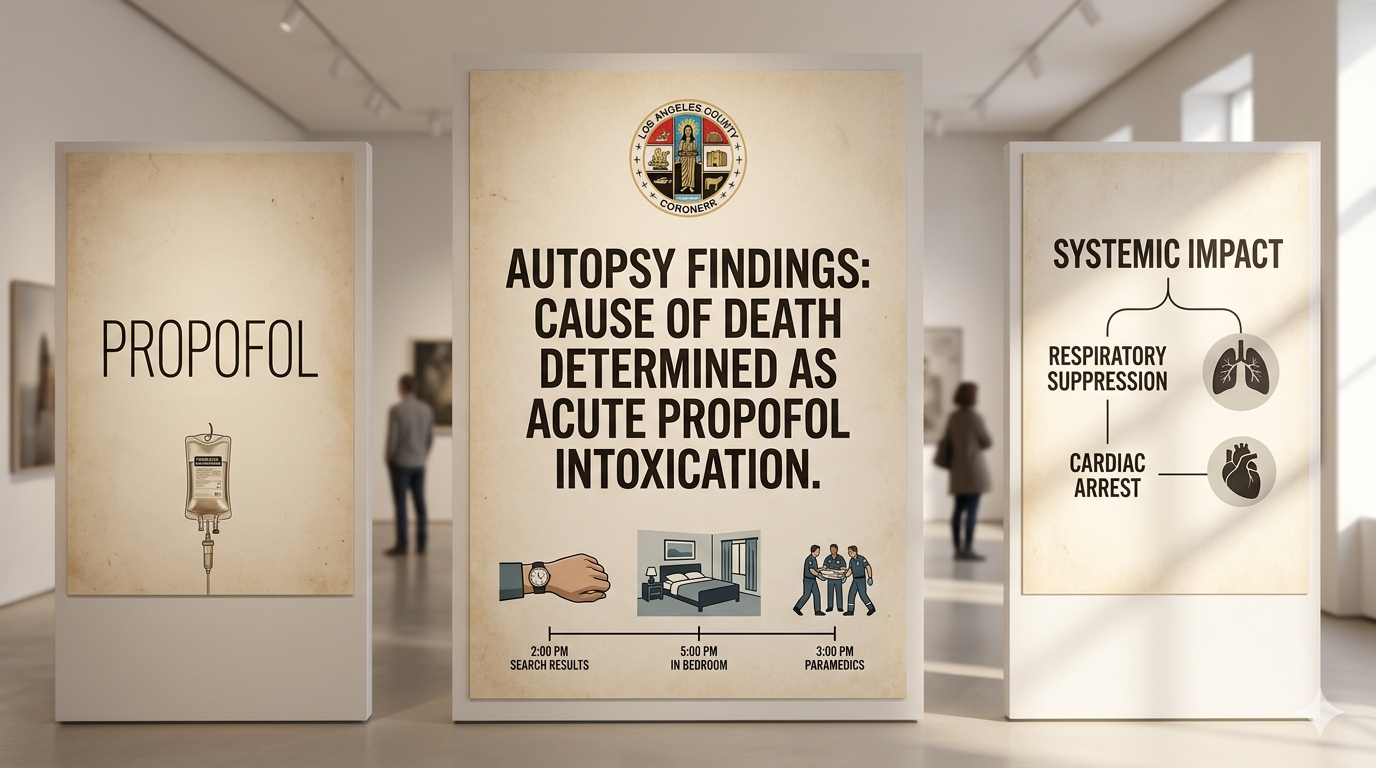
The official cause of Michael Jackson’s death was determined to be acute propofol and benzodiazepine intoxication. Propofol is a powerful anesthetic typically used in hospital settings for surgeries and medical procedures. It is not meant for home use or for treating insomnia.
Jackson had reportedly been struggling with severe sleep problems and was under the care of his personal physician. The use of propofol outside a controlled medical environment played a critical role in his death.
Role of His Personal Doctor
Michael Jackson’s personal doctor, Dr. Conrad Murray, was responsible for administering the drugs found in Jackson’s system. Investigations revealed that Murray gave Jackson propofol to help him sleep, which is considered highly unsafe outside a hospital.
In 2011, Dr. Murray was convicted of involuntary manslaughter. The court concluded that his actions directly contributed to Jackson’s death due to negligence and improper medical care.

Why Propofol Was Dangerous
Propofol is not a typical sleep medication. It is designed to induce deep sedation during medical procedures and requires constant monitoring of vital signs such as heart rate and breathing. Without proper equipment and supervision, it can quickly lead to respiratory failure.
In Michael Jackson’s case, the drug was administered in a home setting without the necessary safety measures. This significantly increased the risk and ultimately led to fatal consequences.
Impact on Fans and the Music Industry
The death of Michael Jackson had a massive global impact. Fans across continents held vigils, shared tributes, and celebrated his legacy. His music sales surged dramatically after his death, and his influence on pop culture became even more evident.
Artists from various generations acknowledged his contributions to music, dance, and entertainment. His iconic albums, such as Thriller, continue to inspire musicians and performers worldwide.
Lessons Learned from His Death
Michael Jackson’s tragic passing highlighted the dangers of prescription drug misuse and the importance of proper medical supervision. It also sparked discussions about the pressures faced by celebrities and how those pressures can impact mental and physical health.
The case led to stricter awareness regarding the use of anesthetics like propofol and reinforced the need for accountability in medical practices.
An overdose of propofol and other sedatives, given in an unsafe setting, led to Michael Jackson’s death. His death was ruled a homicide caused by medical negligence. While his life ended tragically, his legacy as one of the greatest entertainers of all time continues to live on.
Sherlock Holmes by Sir Arthur Conan Doyle
Byomkesh Bakshi by Sharadindu Bandyopadhyay
Aranyak by Bibhutibhushan Bandopadhyay
Read Also: Education Website Design