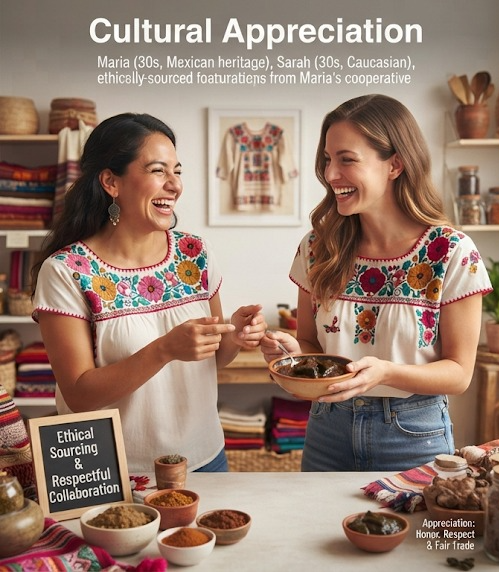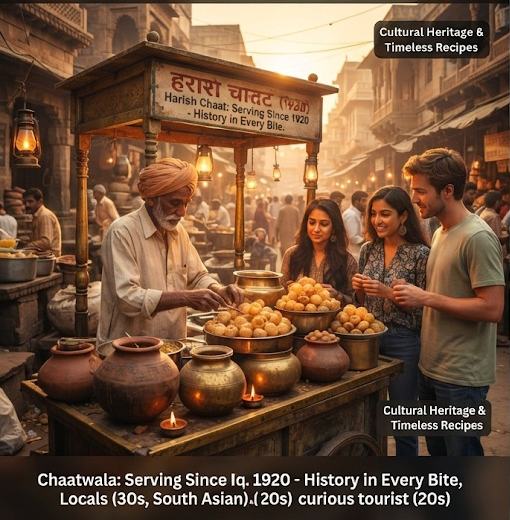
Street food offers more than just a fast meal while you are out and about. It represents the heart of a community, reflecting centuries of history, local traditions, and cultural identity. Across the globe, bustling markets and roadside stalls offer authentic flavors that tell stories of migration, trade, and innovation. From spicy Asian delicacies to savory Latin American snacks, global street food continues to connect people through shared culinary experiences. Today, street food has evolved into an international phenomenon, attracting travelers, food enthusiasts, and chefs eager to explore authentic local cuisines.
The History of Street Food
The origins of street food date back thousands of years. Historical records reveal that vendors sold ready-to-eat meals in ancient civilizations such as Egypt, Greece, Rome, and China. In ancient Rome, many people lived in homes without kitchens, making street vendors an essential source of daily meals. Similarly, bustling marketplaces in China offered freshly prepared noodles, dumplings, and soups to workers and travelers.
As trade routes expanded during the Middle Ages, merchants introduced new spices, cooking techniques, and ingredients to different regions. These exchanges shaped local street food traditions and gave rise to unique dishes that blended various cultural influences. Over time, street food became an affordable and convenient dining option for people from all walks of life.
Cultural Significance of Street Food
Street food serves as a living expression of culture and heritage. Every dish carries traditions passed down through generations, preserving recipes, cooking methods, and local ingredients. Families often operate street food businesses for decades, ensuring that authentic flavors remain unchanged.
Festivals, religious celebrations, and community gatherings frequently feature traditional street food, strengthening social connections. In many countries, preparing and sharing food symbolizes hospitality and unity. Visitors often gain a deeper understanding of local customs by tasting regional specialties from neighborhood vendors rather than dining in luxury restaurants.
Street food also supports cultural preservation by encouraging younger generations to continue family recipes while adapting them to modern tastes. This balance between tradition and innovation keeps culinary heritage alive.
Popular Street Foods Around the World
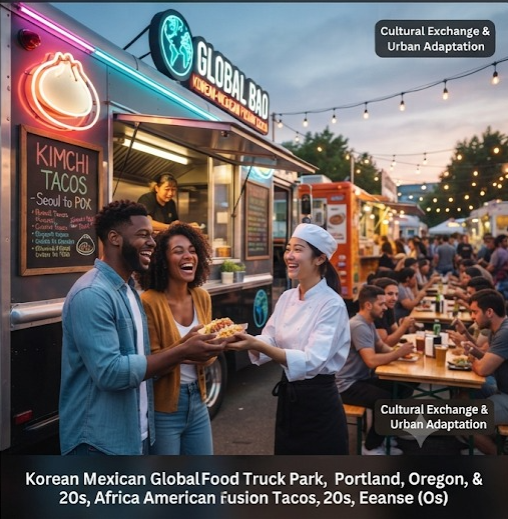
Every region has iconic street foods that reflect its unique identity. In Mexico, tacos and elotes delight locals and tourists with bold flavors. India offers favorites such as pani puri, samosas, and pav bhaji, each showcasing vibrant spices and regional ingredients.
Across Southeast Asia, Thailand is famous for Pad Thai, mango sticky rice, and grilled seafood served from colorful street carts. Japan’s bustling streets feature takoyaki, yakitori, and taiyaki, while Turkey is known for döner kebabs and simit. In Europe, Belgium’s crispy fries, Germany’s bratwurst, and Italy’s pizza slices remain popular street-side treats.
These diverse dishes demonstrate how local ingredients and culinary traditions create unforgettable food experiences that attract millions of visitors every year.
Economic and Social Impact
Street food plays a vital role in local economies by creating employment opportunities and supporting small businesses. Many entrepreneurs begin with modest food stalls before expanding into successful restaurants or food brands. This accessibility allows individuals with limited resources to build sustainable livelihoods.
Tourism also benefits significantly from street food culture. Food markets and night bazaars have become major attractions, encouraging visitors to spend money within local communities. As travelers seek authentic dining experiences, street vendors contribute directly to economic growth while promoting regional cuisine worldwide.
The Global Rise of Street Food
Modern street food has gained worldwide recognition through food festivals, travel documentaries, and social media platforms. International chefs increasingly draw inspiration from traditional street vendors, incorporating authentic flavors into fine dining menus.
Health-conscious consumers are also encouraging vendors to offer organic ingredients, vegetarian options, and sustainable packaging. Despite modernization, the essence of street food remains unchanged: delivering fresh, flavorful meals that bring people together.
Global food festivals celebrate culinary diversity by showcasing traditional recipes from different countries. These events help preserve food heritage while introducing new audiences to international cuisines.
The history and cultural significance of global street food extend far beyond delicious meals. Street cuisine mirrors the customs, innovation, and strength of societies throughout different eras. It preserves cultural heritage, supports local economies, and offers travelers an authentic taste of regional life. As global appreciation for street food continues to grow, these humble roadside kitchens remain symbols of connection, diversity, and shared human experiences. Whether enjoyed in a crowded market or a quiet neighborhood stall, every bite tells a story worth discovering.
State Wise Food Culture in India