One of the most important hormones in a woman’s body is progesterone. It is crucial for maintaining hormonal equilibrium, supporting pregnancy, and controlling the menstrual cycle. However, when progesterone levels become low, the symptoms are often subtle and easily overlooked. Understanding the hidden symptoms of low progesterone can help women identify potential hormonal imbalances early and seek appropriate treatment.
What Is Progesterone?
Progesterone is a hormone primarily produced by the ovaries after ovulation. Its main function is to prepare the uterus for pregnancy and support a healthy reproductive system. In addition to fertility, progesterone also affects mood, sleep, metabolism, and overall well-being.
When progesterone levels drop below normal, a variety of physical and emotional symptoms may develop, many of which can be mistaken for everyday stress or aging.
Unexplained Mood Swings and Anxiety
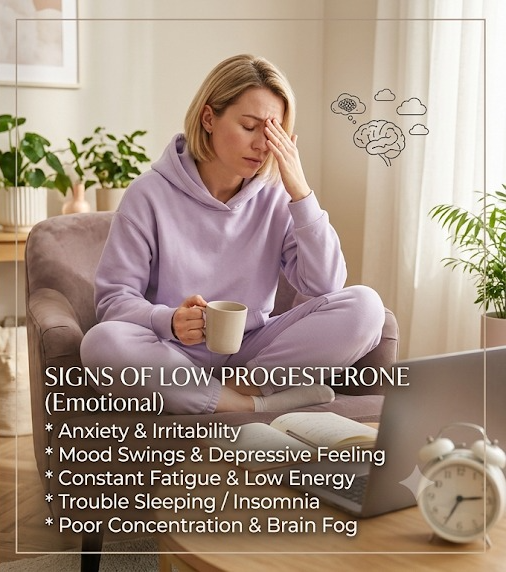
One of the most common hidden symptoms of low progesterone is increased anxiety and mood instability. Progesterone has a calming effect on the brain by supporting neurotransmitters that regulate mood. Emotional sensitivity, depression, irritability, or anxiousness may be caused by low amounts.
Women often notice that they become more anxious before their menstrual cycle, which may indicate insufficient progesterone production.
Difficulty Sleeping
If you frequently struggle to fall asleep or stay asleep, low progesterone may be a contributing factor. Progesterone helps promote relaxation and supports healthy sleep patterns. A deficiency can result in insomnia, restless nights, and waking up feeling tired despite getting enough hours of sleep.
Poor sleep can further worsen hormonal imbalances, creating a cycle that affects overall health.
Persistent Fatigue
Chronic fatigue is another hidden sign of low progesterone. Since this hormone helps regulate energy levels and supports the body’s natural recovery processes, low levels can leave you feeling exhausted throughout the day.
Many women attribute fatigue to a busy lifestyle, but ongoing tiredness that does not improve with rest may indicate an underlying hormonal issue.
Irregular Menstrual Cycles
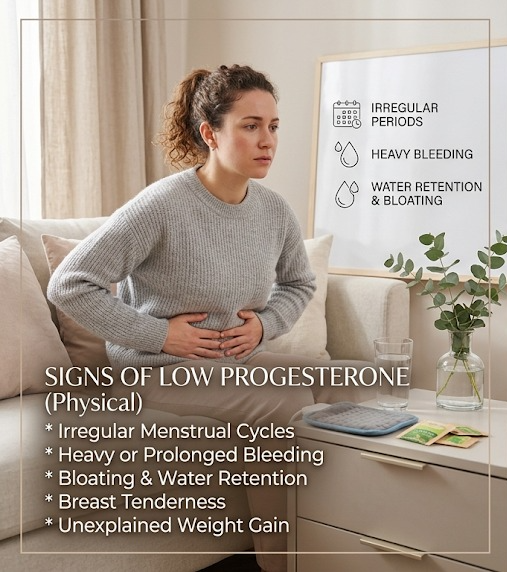
Changes in the menstrual cycle are often linked to low progesterone. Women may experience shorter cycles, longer cycles, spotting between periods, or unusually heavy menstrual bleeding.
Since progesterone helps stabilize the uterine lining, insufficient levels can cause irregular shedding, resulting in unpredictable periods.
Frequent Headaches and Migraines
Hormonal fluctuations are a major trigger for headaches and migraines. Low progesterone can disrupt the balance between estrogen and progesterone, leading to recurring headaches, particularly before menstruation.
Women who experience worsening migraines around their cycle should consider discussing hormone testing with a healthcare professional.
Reduced Fertility
To prepare the uterus for implantation and maintain early pregnancy, progesterone is required. Low progesterone levels can make it more difficult to conceive and may increase the risk of early pregnancy complications.
Women trying to become pregnant who are experiencing fertility challenges should evaluate their hormone levels as part of a comprehensive fertility assessment.
Weight Gain and Bloating
Unexpected weight gain and persistent bloating can also be associated with low progesterone. Hormonal imbalances often lead to water retention and changes in metabolism. Many women notice swelling around the abdomen, face, or extremities when progesterone levels are low.
Maintaining a healthy diet and lifestyle can help, but addressing the underlying hormonal imbalance is often necessary for long-term improvement.
Low Libido
A decrease in sexual desire is another commonly overlooked symptom. Progesterone contributes to overall hormonal harmony, and low levels may affect libido, energy, and emotional intimacy.
Because many factors can influence sexual health, hormonal testing can help determine whether low progesterone is playing a role.
When to Seek Medical Advice
If you experience multiple symptoms such as irregular periods, sleep disturbances, anxiety, fatigue, or fertility concerns, it may be worth consulting a healthcare provider. Blood tests and hormone evaluations can help determine whether low progesterone is contributing to your symptoms.
The hidden symptoms of low progesterone often go unnoticed because they can mimic stress, aging, or other health conditions. From mood swings and insomnia to fertility challenges and irregular periods, recognizing these signs is the first step toward restoring hormonal balance. Early diagnosis and appropriate treatment can improve overall health, energy levels, and quality of life.
Liver Cancer Symptoms Cause and Remedy
Read Also: Medical Website Design