
Extreme waist training has become increasingly popular thanks to social media influencers, celebrity trends, and the desire to achieve an hourglass figure quickly. Waist trainers are often marketed as an easy solution for reducing waist size, improving posture, and enhancing confidence. However, many people overlook the serious health risks associated with wearing these compression garments for extended periods. While occasional use may seem harmless, extreme waist training can lead to both short-term discomfort and long-term medical complications.
In this article, we’ll uncover the hidden dangers of extreme waist training, explain how it affects your body, and discuss healthier alternatives for achieving a toned waist naturally.
What Is Extreme Waist Training?
Waist training involves wearing a tightly fitted corset or waist trainer around the midsection to compress the waist. Some individuals wear these garments for several hours daily, believing that prolonged compression will permanently reshape their body.
Although waist trainers can temporarily create a slimmer appearance under clothing, they do not permanently burn fat or reshape the skeleton. Any reduction in waist size is usually temporary and disappears once the garment is removed.
Hidden Danger 1: Difficulty Breathing
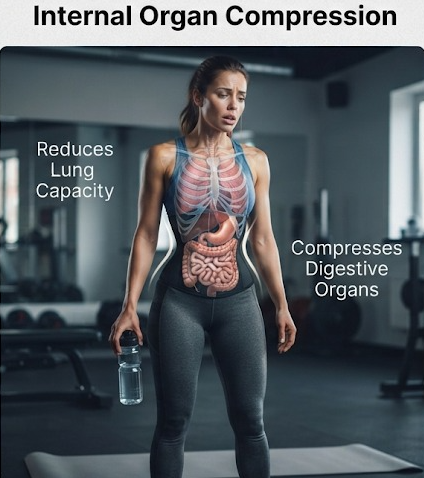
One of the first effects of extreme waist training is restricted breathing. Tight compression limits the expansion of your lungs and diaphragm, making it difficult to take deep breaths.
Reduced oxygen intake may cause:
- Shortness of breath
- Dizziness
- Fatigue
- Reduced exercise performance
People who wear waist trainers during workouts may place additional stress on their respiratory system, increasing the risk of fainting or exhaustion.
Hidden Danger 2: Organ Compression
Your internal organs require adequate space to function properly. Tight waist trainers compress the stomach, liver, intestines, and other abdominal organs.
Possible complications include:
- Acid reflux
- Indigestion
- Heartburn
- Constipation
- Abdominal discomfort
Long-term compression may interfere with normal digestive processes and contribute to chronic gastrointestinal problems.
Hidden Danger 3: Poor Core Muscle Strength
Many users believe waist trainers strengthen abdominal muscles, but the opposite is often true.
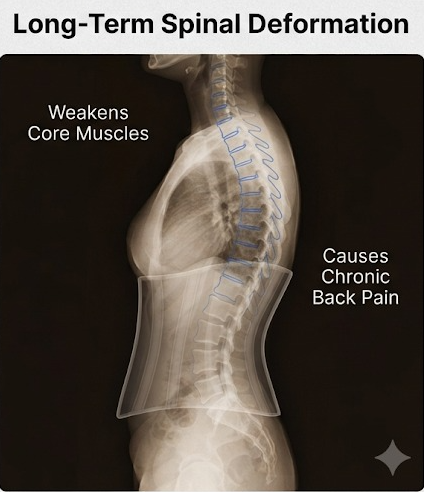
Since the waist trainer provides external support, your core muscles become less active. Over time, this may weaken the abdominal muscles responsible for maintaining posture and spinal stability.
Weak core muscles can increase the risk of:
- Lower back pain
- Poor balance
- Muscle weakness
- Reduced physical performance
Hidden Danger 4: Nerve Compression
Wearing an overly tight waist trainer can compress nerves running through the torso.
Symptoms may include:
- Tingling sensations
- Numbness
- Burning pain
- Reduced sensation around the waist
Persistent nerve compression may require medical attention if symptoms continue after removing the garment.
Hidden Danger 5: Skin Irritation and Infections
Continuous friction, trapped sweat, and limited airflow create an ideal environment for skin problems.
Common issues include:
- Rashes
- Heat irritation
- Fungal infections
- Acne
- Skin discoloration
Poor hygiene while wearing waist trainers for extended periods increases the likelihood of bacterial growth and unpleasant odors.
Hidden Danger 6: Reduced Blood Circulation
Excessive compression may restrict healthy blood flow throughout the abdomen.
Poor circulation can contribute to:
- Swelling
- Cold skin
- Muscle cramps
- Tingling in the legs
Healthy blood circulation is essential for oxygen delivery, tissue repair, and overall body function.
Hidden Danger 7: False Weight Loss Expectations
A lot of commercials claim that waist trainers aid in quick weight loss.
In reality, waist trainers do not burn body fat. Temporary weight loss often results from sweating or reduced food intake due to stomach compression.
Sustainable fat loss only occurs through:
- Balanced nutrition
- Regular exercise
- Proper sleep
- Consistent healthy habits
Relying solely on waist training often leads to disappointment and unrealistic body image expectations.
Who Should Avoid Extreme Waist Training?
Certain individuals face higher risks from waist training, including:
- Pregnant women
- People with asthma
- Individuals with digestive disorders
- Those with heart conditions
- Anyone experiencing chronic back pain
Consulting a healthcare professional before using waist trainers is always recommended if underlying health conditions exist.
Safer Alternatives for a Smaller Waist
Instead of relying on extreme compression garments, focus on proven methods that improve both appearance and overall health.
Healthy alternatives include:
- Strength training
- Core exercises
- Cardiovascular workouts
- High-protein balanced meals
- Proper hydration
- Good posture
- Adequate sleep
- Stress management
Exercises such as planks, Russian twists, mountain climbers, bicycle crunches, and side planks help strengthen the core while improving muscle definition naturally.
Tips for Safe Waist Trainer Use
If you choose to wear a waist trainer occasionally, follow these safety guidelines:
- Avoid wearing it for long hours.
- Never sleep while wearing it.
- Do not exercise intensely in a tight waist trainer.
- Choose the correct size instead of excessive compression.
- Remove it immediately if you experience pain, numbness, or difficulty breathing.
- Maintain proper skin hygiene after each use.
Moderation significantly reduces the likelihood of health complications.
The hidden dangers of extreme waist training extend far beyond temporary discomfort. While waist trainers may provide an instant slimming effect, they cannot permanently reshape your body or replace healthy lifestyle habits. Restricted breathing, organ compression, weakened core muscles, nerve irritation, poor circulation, and digestive issues are all potential risks associated with excessive use.
Liver Cancer Symptoms Cause and Remedy
Read Also: Medical Website Design