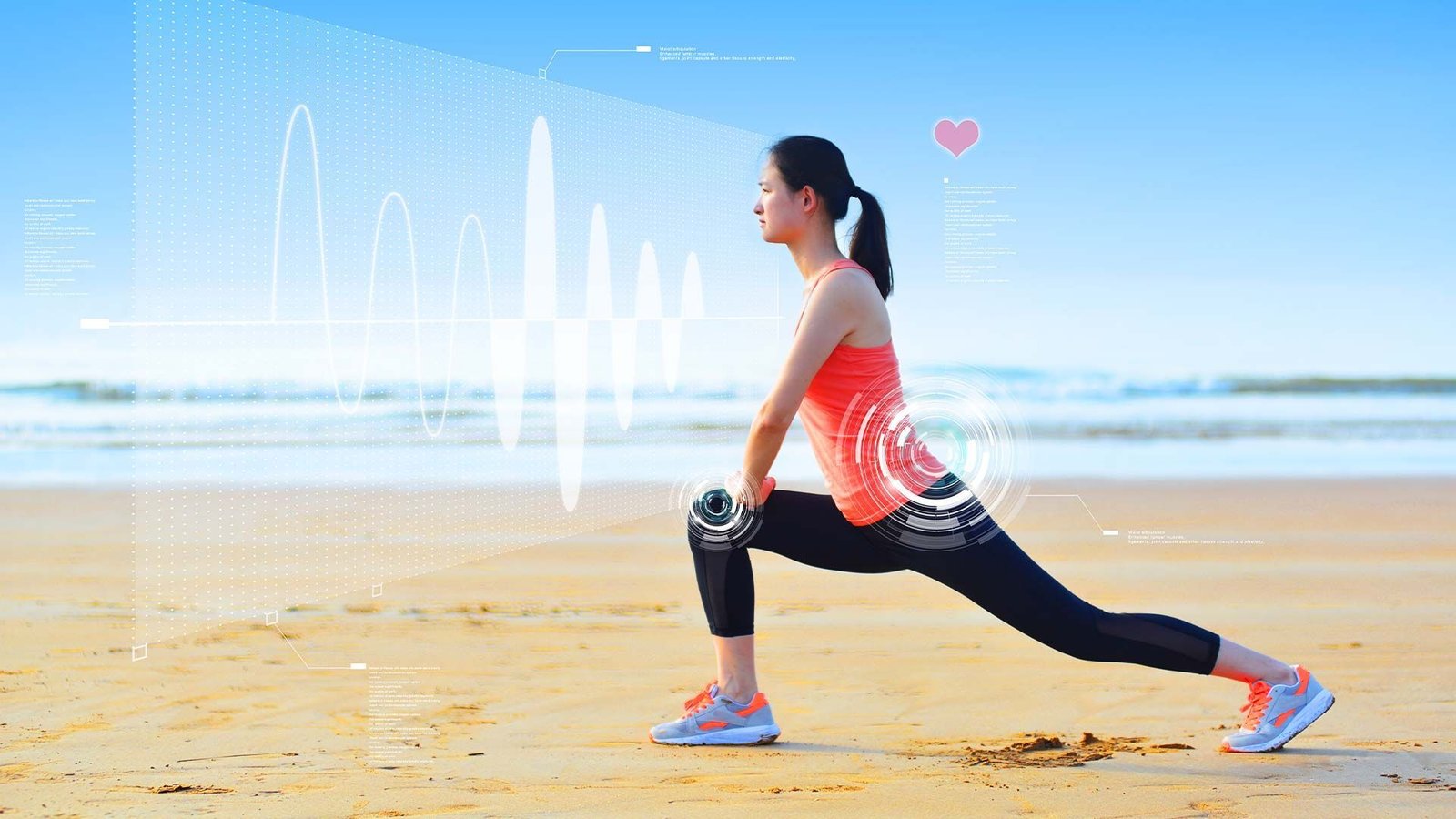

Body fat distribution in women is influenced by many factors, including genetics, hormones, age, physical activity, and diet. While no single food can completely change where the body stores fat, certain foods may influence hormonal balance, metabolism, and overall body composition. Understanding how nutrition affects fat storage can help women make informed dietary choices that support a healthy body shape and long-term wellness.
How Female Body Fat Distribution Works
Women naturally tend to store more fat around the hips, thighs, and buttocks due to the influence of estrogen. This pattern, often referred to as a “pear-shaped” body, differs from the “apple-shaped” fat distribution commonly seen in men. Hormonal changes, especially during menopause, can shift fat storage toward the abdominal area.
Diet plays an important role in maintaining hormonal balance and reducing excess fat accumulation in unwanted areas.
1. Soy-Based Foods and Hormonal Balance
Soy products such as tofu, edamame, soy milk, and tempeh contain compounds called phytoestrogens. These plant-based substances have a structure similar to estrogen and may help support hormonal balance in some women.
Research suggests that moderate consumption of soy foods may help reduce menopausal symptoms and support healthier fat distribution during hormonal transitions. Including natural soy products in a balanced diet may contribute to overall body composition management.
2. Fatty Fish for Reduced Abdominal Fat
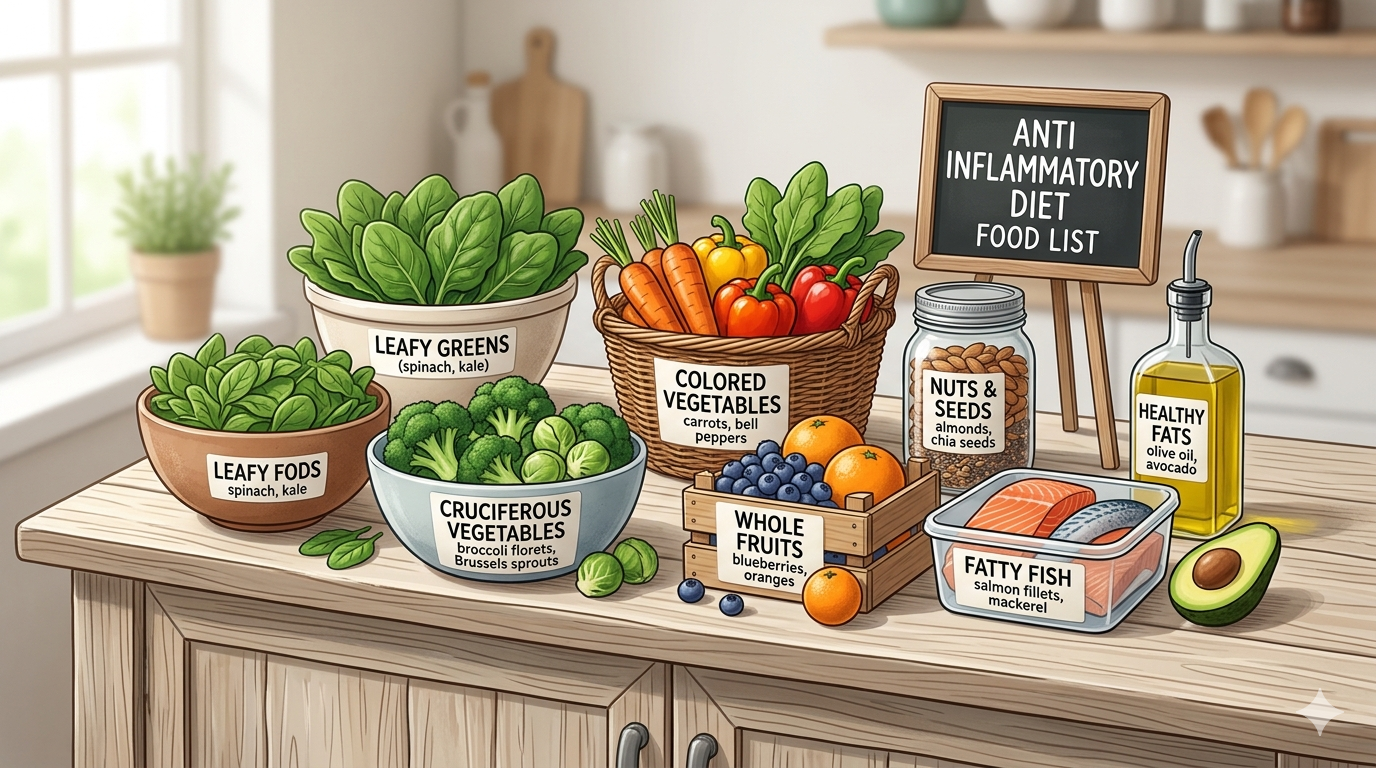
Fatty fish such as salmon, sardines, mackerel, and tuna are rich in omega-3 fatty acids. These healthy fats have anti-inflammatory properties and may help improve insulin sensitivity.
Better insulin function can reduce the tendency to store excess fat around the waistline. Regular consumption of omega-3-rich foods may support a healthier distribution of body fat while promoting heart health.
3. High-Fiber Foods and Weight Management
Fiber-rich foods such as oats, lentils, beans, fruits, vegetables, and whole grains help regulate digestion and promote feelings of fullness. A diet high in fiber can reduce overall calorie intake and support healthy weight management.
Studies indicate that women who consume adequate fiber are less likely to accumulate excessive visceral fat, the deep abdominal fat associated with various health risks.
4. Nuts and Seeds for Healthy Fat Storage
Almonds, walnuts, chia seeds, flaxseeds, and pumpkin seeds provide healthy fats, protein, and essential nutrients. These meals lessen cravings and help balance blood sugar.
Flaxseeds are particularly noteworthy because they contain lignans, plant compounds that may support estrogen balance. Consuming nuts and seeds in moderation can contribute to a healthier body composition.

5. Green Tea and Metabolism Support
Green tea contains antioxidants called catechins, which may support fat metabolism. Some studies suggest that regular green tea consumption can help reduce body fat percentage and support waist circumference reduction when combined with exercise and a balanced diet.
While green tea is not a miracle solution, it can be a beneficial addition to a healthy lifestyle.
6. Protein-Rich Foods for Lean Muscle Development
Lean protein sources such as chicken, eggs, fish, Greek yogurt, legumes, and cottage cheese help maintain muscle mass. Increased muscle mass can improve metabolic rate and support a healthier ratio of fat to lean tissue.
Protein also promotes satiety, helping women avoid overeating and excessive fat accumulation.
Foods That May Promote Unhealthy Fat Distribution
Certain foods are associated with increased abdominal fat storage, including:
- Sugary beverages
- Processed snacks
- Refined carbohydrates
- Fast food
- Excessive alcohol
These foods can contribute to insulin resistance and inflammation, both of which are linked to unhealthy fat accumulation around the waist.
Although genetics and hormones largely determine where women store body fat, dietary choices can influence body composition and overall health. Foods such as soy products, fatty fish, high-fiber vegetables, nuts, seeds, green tea, and lean proteins may support healthier fat distribution and metabolic function. Combining a balanced diet with regular exercise, adequate sleep, and stress management remains the most effective approach to achieving and maintaining a healthy body shape.
By making smart nutritional choices, women can support their hormonal health and promote a more balanced distribution of body fat over time.
Liver Cancer Symptoms Cause and Remedy
Read Also: Medical Website Design