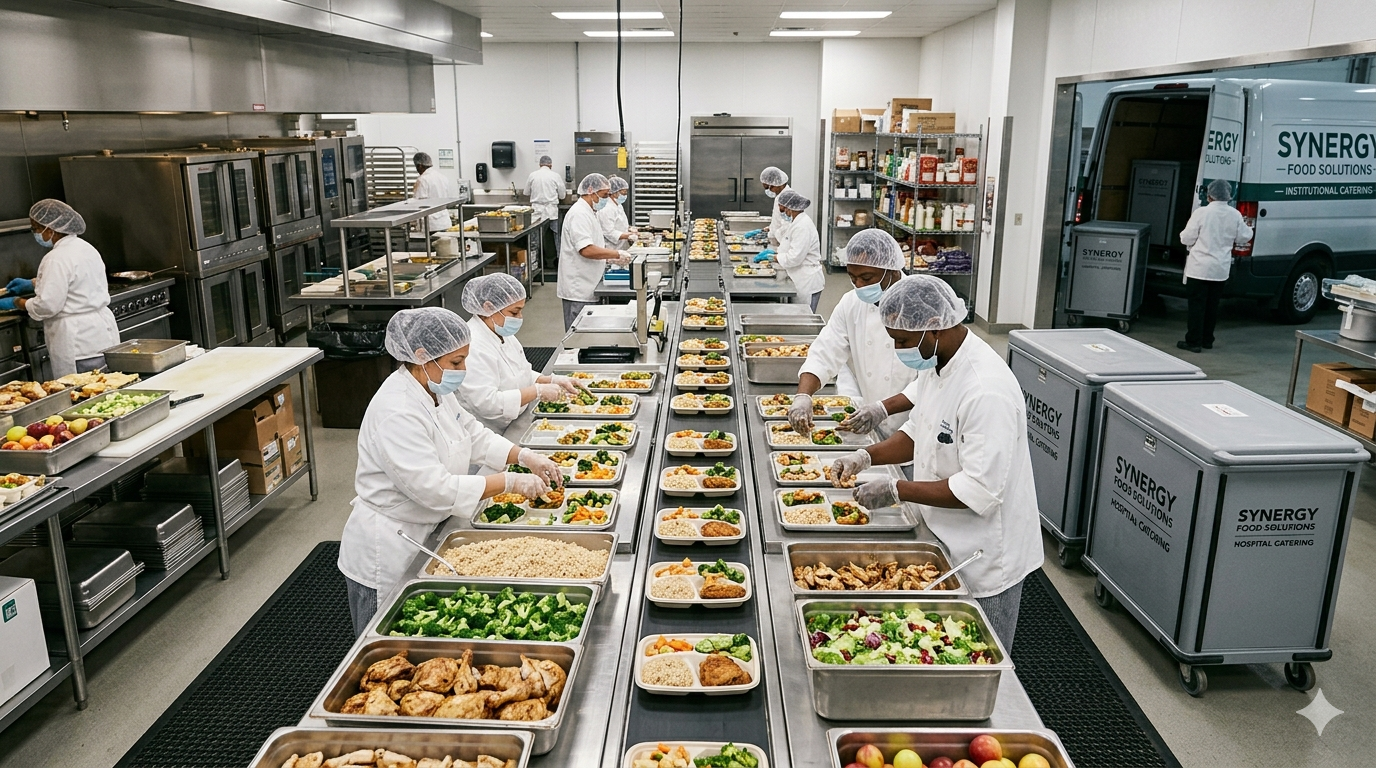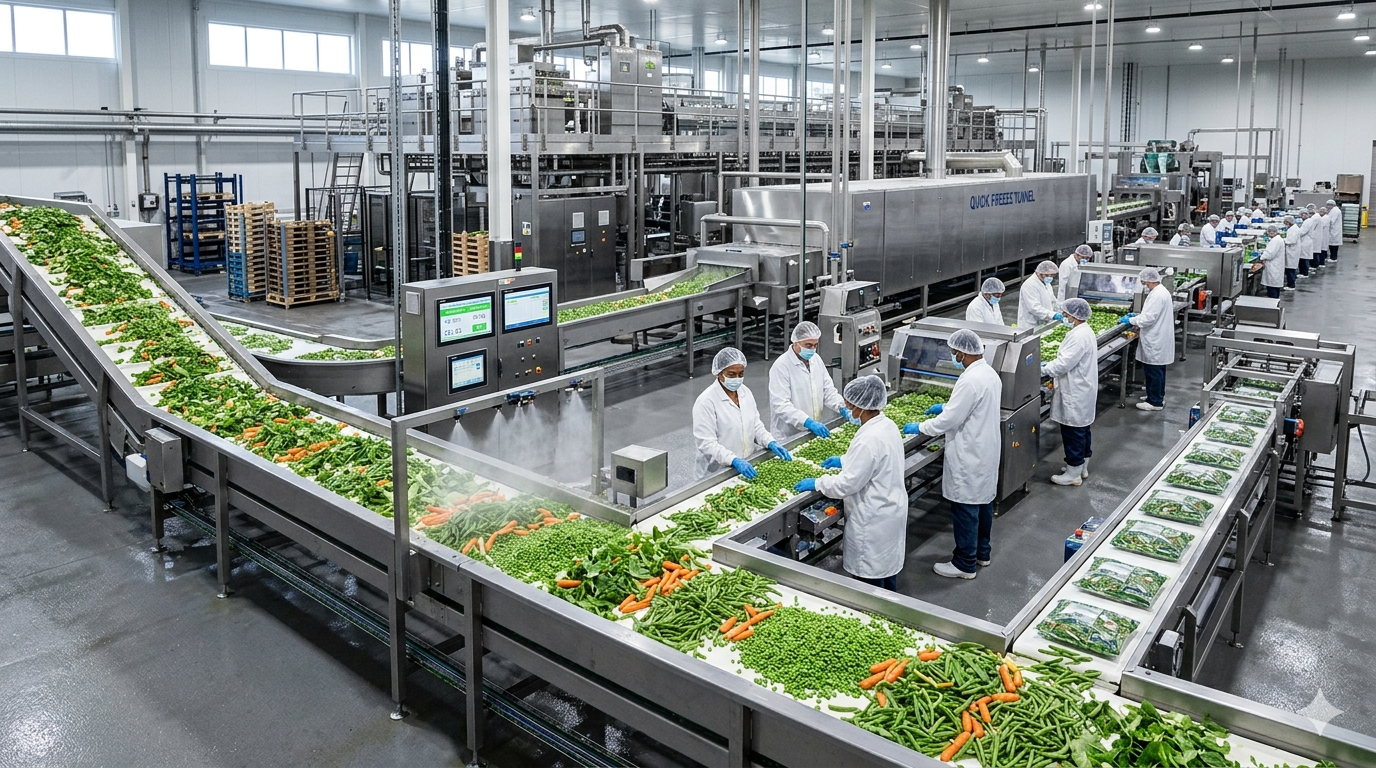
The global Food Processing Industry plays a vital role in transforming raw agricultural products into safe, convenient, and high-quality food items for consumers. From packaged snacks and frozen meals to dairy products and beverages, food processing has become an essential part of modern living. As population growth and urbanization continue to increase, the demand for processed food products is expanding rapidly across the world.
The food processing sector not only improves food preservation and shelf life but also contributes significantly to employment, exports, and economic development. With advanced technology, automation, and strict food safety regulations, the industry is evolving faster than ever before.
What is the Food Processing Industry?
The food processing industry refers to the process of converting raw ingredients such as grains, fruits, vegetables, meat, and dairy into finished food products ready for consumption. This industry includes activities like cleaning, packaging, preserving, freezing, canning, and flavor enhancement.
Food processing can be categorized into three main levels:
- Primary Processing – Cleaning and separating raw food materials.
- Secondary Processing – Converting ingredients into edible products.
- Tertiary Processing – Producing ready-to-eat and convenience foods.
These processes help maintain food quality, improve taste, and ensure food safety for consumers worldwide.
Importance of the Food Processing Industry
The food processing industry is one of the largest manufacturing sectors globally. It supports agriculture by creating demand for crops and livestock while reducing food wastage through preservation techniques.
Some major benefits of the food processing industry include:
- Increased shelf life of food products
- Enhanced food safety and hygiene
- Convenient ready-to-cook and ready-to-eat options
- Better transportation and storage
- Employment generation in manufacturing and logistics
- Contribution to national GDP and exports
The industry also helps provide nutritious food products to urban populations with busy lifestyles.
Technological Advancements in Food Processing
Technology is transforming the food processing sector with automation, artificial intelligence, and smart packaging solutions. Modern food factories use advanced machinery to improve efficiency, consistency, and hygiene standards.
Key innovations in the food processing industry include:
Automation and Robotics
Manual labor is reduced and production speed is increased by automated systems. Robotics are widely used in packaging, sorting, and quality control processes.
Smart Packaging
Smart packaging technologies help monitor freshness, temperature, and contamination levels. This improves food safety and reduces spoilage.
Artificial Intelligence and Data Analytics
AI-driven systems analyze production data, predict demand, and optimize supply chains. Food manufacturers use analytics to improve product quality and reduce operational costs.
Sustainable Processing Technologies
Energy-efficient equipment and eco-friendly production methods are becoming increasingly popular as companies focus on sustainability and environmental responsibility.

Challenges Facing the Food Processing Industry
Despite rapid growth, the food processing industry faces several challenges that impact production and profitability.
Rising Raw Material Costs
Fluctuations in agricultural production and climate change can increase the cost of raw ingredients.
Food Safety Regulations
Manufacturers must follow strict food safety standards and quality regulations to maintain consumer trust and avoid contamination issues.
Supply Chain Disruptions
Global transportation delays and shortages can affect product availability and increase operational expenses.
Consumer Demand for Healthy Foods
Consumers are becoming more health-conscious and prefer organic, natural, and minimally processed foods. Companies must continuously innovate to meet changing preferences.
Future of the Food Processing Industry
The future of the Food Processing Industry looks promising due to increasing consumer demand, technological innovation, and global food consumption growth. Plant-based foods, functional beverages, organic products, and sustainable packaging are expected to dominate future market trends.
Governments and private companies are also investing heavily in food infrastructure, cold storage facilities, and research programs to improve food production efficiency.
Digital transformation, automation, and environmentally friendly manufacturing practices will continue to shape the future of the industry. Businesses that focus on quality, sustainability, and innovation are likely to achieve long-term success.
The food processing industry is a powerful contributor to global economic growth and food security. By combining advanced technology with efficient production methods, the industry ensures that consumers receive safe, nutritious, and convenient food products every day.
India’s Agricultural Exports Opportunities and Challenges
Read Also: Exploring Opportunities in the Farming Industry