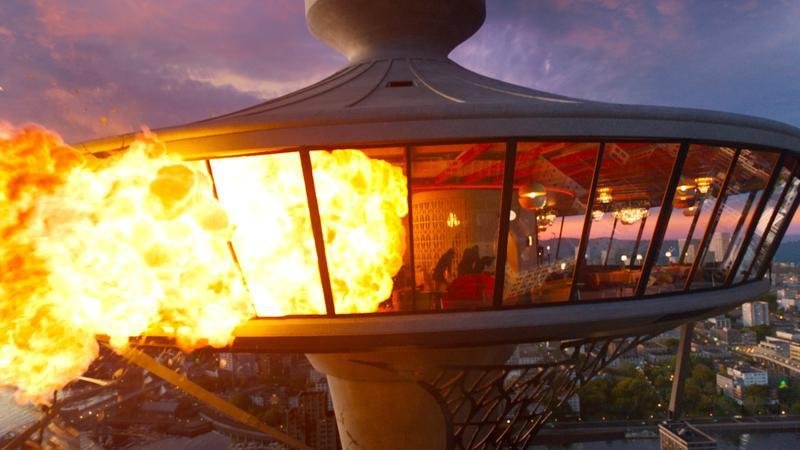
The phrase Final Destination often brings to mind suspense, unpredictability, and a chain of dramatic events that keep audiences on edge. On the other hand, floodlighting represents clarity, brightness, and enhanced visibility. While Final Destination & Floodlighting, these two concepts may seem unrelated at first, combining them creates an interesting perspective—especially when discussing storytelling, safety, and modern infrastructure. This article explores how the concept of final destinations intersects with the importance of floodlighting in both real-life scenarios and creative narratives.
Understanding the Concept of Final Destination
A final destination typically refers to the end point of a journey, whether physical or metaphorical. In storytelling, it symbolizes the ultimate outcome that characters strive toward or try to avoid. It often carries emotional weight, as it marks the conclusion of a path filled with challenges, decisions, and consequences.
In real life, final destinations are equally significant. They represent goals such as completing a project, reaching a career milestone, or arriving safely after travel. The idea emphasizes planning, foresight, and preparedness, all of which are essential in minimizing risks along the journey.
What is Floodlighting?
Floodlighting is a powerful lighting technique used to illuminate large areas with high-intensity light. Commonly seen in stadiums, construction sites, parking lots, and outdoor events, floodlights ensure visibility during nighttime or low-light conditions. They enhance safety, improve productivity, and create visually appealing environments.
Modern floodlighting systems are energy-efficient and often utilize LED technology. These systems not only provide better illumination but also reduce electricity consumption and maintenance costs, making them an ideal choice for both commercial and residential use.
The Connection Between Final Destination and Floodlighting
At first glance, final destinations and floodlighting may appear unrelated, but they share a common theme: safety and clarity. Reaching a final destination safely often depends on proper visibility, especially in transportation and infrastructure.
For instance, well-lit highways, airports, and railway stations rely heavily on floodlighting systems to guide travelers. These lighting solutions reduce accidents, improve navigation, and ensure that people reach their destinations without unnecessary risks.
Similarly, in storytelling, the concept of “shedding light” on hidden truths often parallels floodlighting. It symbolizes revealing the unseen and guiding characters toward their ultimate fate.

Importance of Floodlighting in Modern Infrastructure
Floodlighting plays a crucial role in urban development and public safety. Cities around the world invest in advanced lighting systems to ensure smooth operations in various sectors.
In transportation, floodlights illuminate roads, bridges, and tunnels, reducing the chances of accidents. In sports, they enable games to be played at night, enhancing entertainment and audience engagement. Construction sites use floodlighting to maintain productivity even after sunset, ensuring deadlines are met efficiently.
Additionally, floodlighting contributes to security. Well-lit areas discourage criminal activities and provide a sense of safety for residents and visitors alike.
Enhancing Safety on the Journey
The journey to any final destination can be unpredictable. Factors such as weather conditions, visibility, and human error can influence the outcome. Floodlighting acts as a preventive measure by improving visibility and reducing uncertainties.
For example, airports use high-powered floodlights on runways to assist pilots during takeoff and landing. Similarly, seaports rely on lighting systems to guide ships safely. These applications highlight how crucial illumination is in ensuring that journeys end successfully.
Environmental and Technological Advancements
With the rise of sustainable practices, floodlighting technology has evolved significantly. LED floodlights consume less energy and have a longer lifespan compared to traditional lighting systems. Smart lighting solutions now allow automated control, adjusting brightness based on environmental conditions.
These advancements not only reduce environmental impact but also enhance efficiency. As technology continues to improve, floodlighting will play an even more vital role in shaping safe and sustainable journeys.
Final destinations symbolize the end of a journey, while floodlighting ensures that the path leading there is safe and visible. Together, they represent a powerful combination of purpose and protection. Whether in storytelling or real-life scenarios, the importance of clarity, planning, and safety cannot be overstated.
Read Also: Social Network Website Design