Wildlife plays an essential role in maintaining healthy ecosystems, but protecting animals and natural habitats is not only the responsibility of governments and conservation organizations. Everyday citizens protecting local wildlife can make a meaningful difference through simple choices and community actions. From creating wildlife-friendly spaces to reducing waste, ordinary people can help protect biodiversity and preserve nature for future generations.
Why Local Wildlife Protection Matters
Local wildlife includes birds, insects, mammals, reptiles, amphibians, and countless other species that share our communities. These animals contribute to pollination, seed dispersal, pest control, soil health, and other natural processes.
When forests, wetlands, grasslands, and urban green spaces disappear, wildlife loses food, shelter, and breeding areas. Pollution, excessive development, plastic waste, and climate change can further threaten local species. Supporting local wildlife conservation helps maintain ecological balance while making neighborhoods healthier and more attractive places to live.
Create Wildlife-Friendly Spaces at Home
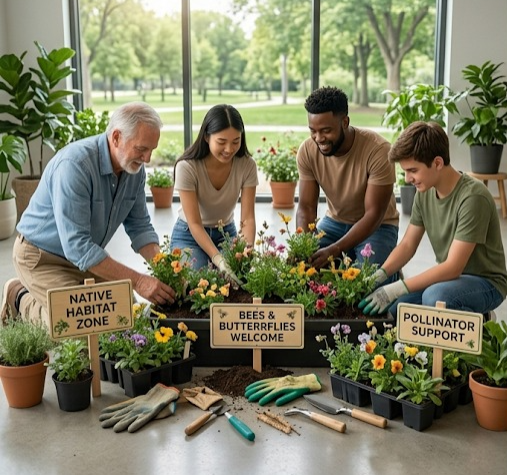
One of the easiest ways to support wildlife is to make outdoor spaces more nature-friendly. Gardens, balconies, terraces, and even small yards can provide valuable habitat.
Planting native flowers, shrubs, and trees gives birds and insects access to food and shelter. Native plants are particularly useful because local wildlife is often adapted to them. People can also provide shallow water sources, bird feeders, or small sheltered areas where appropriate.
Avoiding excessive use of chemical pesticides is another important step. Many pesticides can harm beneficial insects such as bees and butterflies as well as other animals that depend on them for food.
Keep Plastic and Waste Away From Nature
Waste is one of the most visible threats to wildlife. Animals may mistake plastic bags, wrappers, fishing lines, and other discarded materials for food or become trapped in them.
Citizens can help by reducing single-use plastics, recycling properly, carrying reusable bags and bottles, and disposing of waste responsibly. Community clean-up activities around parks, rivers, beaches, and forests can also remove dangerous litter before it harms animals.
Small habits practiced consistently by many people can have a significant environmental impact.
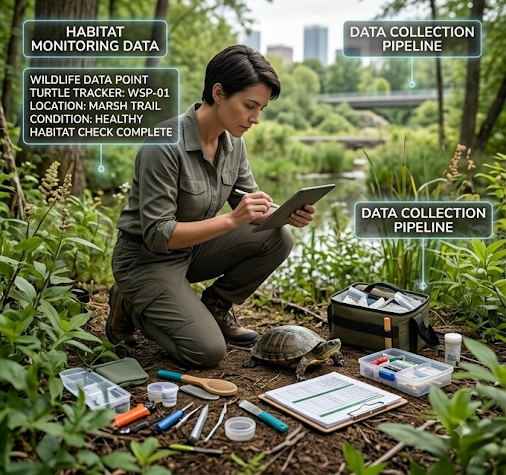
Protect Birds, Insects, and Small Animals
Wildlife conservation is not limited to large or endangered animals. Small creatures are equally important to healthy ecosystems. Bees, butterflies, earthworms, beetles, frogs, and native birds all perform valuable ecological functions.
People can protect these species by allowing some natural vegetation to grow, avoiding unnecessary disturbance of nests and habitats, and choosing plants that provide nectar, seeds, fruits, or shelter. During extreme weather, responsibly providing clean water can also benefit local birds and other wildlife.
Become a Responsible Wildlife Observer
Enjoying wildlife should always be done respectfully. People who photograph or observe animals should maintain a safe distance and avoid chasing, feeding, touching, or disturbing them.
Feeding wild animals can sometimes make them dependent on humans or encourage them to approach roads and residential areas. Instead, citizens should focus on preserving natural habitats and allowing animals to find food naturally.
Sharing responsible wildlife photography and educational information can also encourage others to appreciate and protect nature.
Join Local Conservation Efforts
Community involvement can multiply the impact of individual actions. Residents can participate in tree-planting programs, habitat restoration projects, wildlife surveys, nature walks, and local clean-up campaigns.
Citizens can also report injured wildlife, illegal dumping, habitat destruction, or suspected wildlife crimes to the appropriate local authorities or conservation organizations. Learning about native species helps people recognize environmental problems and make better decisions.
Teach Children to Respect Nature
Children who develop a connection with nature are more likely to become responsible environmental stewards. Parents and teachers can encourage children to observe birds, identify plants, visit parks, grow native flowers, and learn about local ecosystems.
Simple activities such as keeping a nature journal or watching insects in a garden can turn environmental education into an enjoyable experience.
Every Action Counts
Everyday citizens protecting local wildlife demonstrates that conservation can begin at home and within local communities. Reducing waste, planting native species, respecting animals, protecting habitats, and participating in conservation projects are practical ways to support biodiversity.
No single person can solve every environmental challenge, but millions of responsible choices can create lasting change. By working together and treating wildlife as an important part of our shared environment, communities can help ensure that local species continue to thrive for generations to come.
Andaman and Nicobar Islands Forests
Tours And Travels Website Design