
One of the most crucial phases of human growth is adolescence. During this period, teenagers experience rapid physical, mental, and emotional changes that shape their personalities and future relationships. Emotional changes during adolescence are a natural part of growing up, but they can sometimes feel confusing for both teenagers and their parents. Understanding these emotional shifts can help families provide the right support and create a healthy environment for personal growth.
What Are Emotional Changes During Adolescence?
The development and variation of feelings, moods, and emotional reactions that take place between childhood and adulthood are referred to as emotional shifts during adolescence. These changes are mainly influenced by hormonal changes, brain development, social expectations, and personal experiences.
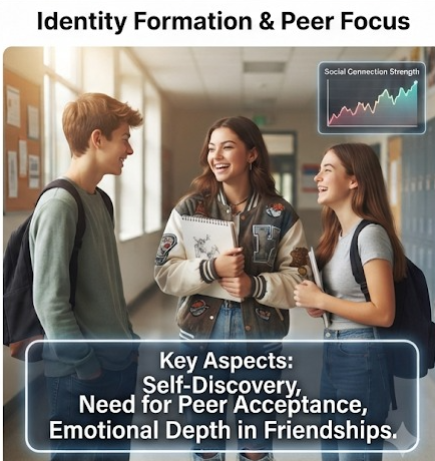
Teenagers often begin to think more deeply, develop their own identities, and become increasingly aware of the opinions of others. As a result, they may experience stronger emotions than they did during childhood.
Common Emotional Changes in Teenagers
1. Frequent Mood Swings
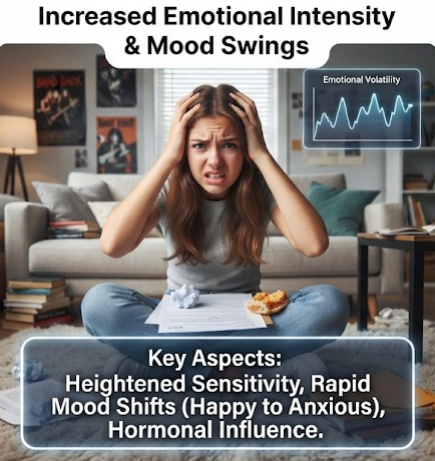
One of the most noticeable emotional changes during adolescence is frequent mood swings. A teenager may feel excited and happy one moment and frustrated or sad the next. Hormonal fluctuations and ongoing brain development play a significant role in these emotional ups and downs.
2. Desire for Independence
As adolescents grow older, they naturally seek more freedom and independence. They may want to make their own decisions, spend more time with friends, and rely less on their parents. This growing independence is an important step toward adulthood.
3. Increased Self-Awareness
Teenagers often become highly conscious of their appearance, abilities, and social image. They may compare themselves with their peers or worry about being accepted. This increased self-awareness can sometimes affect self-confidence and emotional well-being.
4. Stronger Emotional Reactions
During adolescence, emotions such as excitement, anger, disappointment, and happiness may feel more intense. Even small situations can trigger powerful emotional responses because the brain regions responsible for emotional regulation are still developing.
Factors Influencing Emotional Changes
Several factors contribute to emotional development during adolescence:
- Hormonal changes during puberty
- Brain development affecting emotional control
- Academic pressure and future expectations
- Friendships and peer influence
- Family relationships
- Social media and digital interactions
Each teenager experiences these factors differently, making every emotional journey unique.
How Parents Can Support Adolescents
Parents play a vital role in helping teenagers manage emotional changes. Open communication and patience can strengthen trust and reduce misunderstandings.
Here are some helpful strategies:
- Listen without immediately judging or criticizing.
- Encourage honest conversations about emotions.
- Respect their growing need for independence.
- Set healthy boundaries while offering guidance.
- Praise their efforts instead of focusing only on achievements.
- Seek professional support if emotional difficulties become overwhelming.
A supportive family environment helps adolescents develop emotional resilience and confidence.
Healthy Ways for Teenagers to Manage Emotions
Teenagers can learn positive coping strategies to handle emotional challenges effectively.
Some healthy habits include:
- Exercising regularly
- Getting enough sleep each night
- Eating a balanced and nutritious diet
- Practicing mindfulness or meditation
- Talking with trusted friends, parents, or teachers
- Participating in hobbies and creative activities
- Limiting excessive social media use
These habits promote emotional stability and improve overall mental health.
When Emotional Changes May Need Professional Help
While emotional changes during adolescence are normal, some signs may indicate the need for professional support. Persistent sadness, severe anxiety, withdrawal from family and friends, loss of interest in daily activities, extreme mood changes, or thoughts of self-harm should never be ignored.
Early guidance from a qualified mental health professional can help teenagers develop healthy coping skills and improve their emotional well-being.
Emotional changes during adolescence are a natural and essential part of growing into adulthood. Although teenagers may experience mood swings, increased sensitivity, and a desire for independence, these changes help them build emotional intelligence and personal identity. With understanding, patience, and open communication, parents and caregivers can support adolescents through this important stage of life. By encouraging healthy habits and providing emotional support, families can help teenagers develop confidence, resilience, and the skills needed to face future challenges successfully.
Different Types of Adult Parties around the World
Read Also: Food Beverages Website