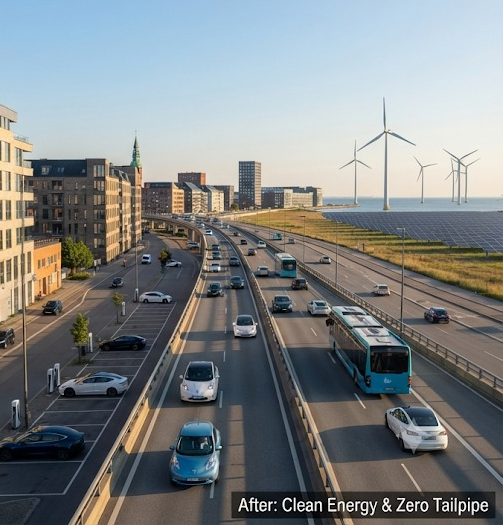
The rapid growth of electric vehicles (EVs) is transforming the global transportation industry and playing a crucial role in reducing carbon emissions. As governments, businesses, and consumers seek cleaner alternatives to traditional gasoline and diesel-powered vehicles, electric mobility has become a key solution for combating climate change. With advancements in battery technology, expanding charging infrastructure, and supportive environmental policies, EV adoption continues to accelerate worldwide. Understanding the impact of electric vehicles on global carbon emissions helps highlight their importance in creating a cleaner, healthier, and more sustainable future.
How Electric Vehicles Reduce Carbon Emissions
Conventional internal combustion engine vehicles rely on fossil fuels, releasing significant amounts of carbon dioxide (CO₂) into the atmosphere. These emissions contribute heavily to global warming and air pollution. Electric vehicles operate using rechargeable batteries instead of burning fuel, producing zero tailpipe emissions during operation.
Although electricity generation may still involve fossil fuels in some regions, the overall carbon footprint of EVs is generally lower than that of conventional vehicles. As countries increase their use of renewable energy sources such as solar, wind, and hydroelectric power, the environmental benefits of electric vehicles continue to grow.
The Importance of Renewable Energy Integration
The true environmental advantage of electric vehicles depends largely on how the electricity used to charge them is produced. Charging EVs with renewable energy significantly reduces lifecycle greenhouse gas emissions.
Many countries are investing in clean energy infrastructure to ensure electric transportation remains environmentally friendly. Advanced charging systems, solar-operated charging stations, and grid upgrading are contributing to enhancing the beneficial effects of electric vehicle adoption while reducing reliance on electricity generated from fossil fuels.
Battery Technology and Environmental Improvements
Battery manufacturing has traditionally been criticized for its environmental impact due to mining activities and energy-intensive production processes. However, the industry is making remarkable progress in sustainable battery development.
Manufacturers are improving battery efficiency, increasing recycling rates, reducing the use of rare materials, and developing longer-lasting battery technologies. Battery recycling programs recover valuable materials such as lithium, nickel, and cobalt, reducing the need for new mining operations and supporting a circular economy.
These advancements continue to lower the overall environmental impact of electric vehicles throughout their lifecycle.

Economic and Environmental Benefits
Electric vehicles offer both environmental and economic advantages. Lower maintenance requirements, fewer moving parts, and reduced fuel costs make EV ownership increasingly attractive for consumers. Businesses also benefit from lower operating expenses by transitioning commercial fleets to electric transportation.
From an environmental perspective, widespread EV adoption contributes to:
- Lower greenhouse gas emissions.
- Reduced urban air pollution.
- Improved public health through cleaner air.
- Decreased dependence on imported fossil fuels.
- Support for global climate goals and carbon neutrality initiatives.
These combined benefits make electric vehicles an essential component of sustainable development strategies worldwide.
Challenges Facing Electric Vehicle Adoption
Despite significant progress, several challenges remain. Charging infrastructure is still expanding, particularly in rural and developing regions. Battery production requires responsible sourcing of raw materials, while recycling systems must continue to improve as EV adoption increases.
Another challenge is ensuring electricity grids can accommodate growing charging demand without increasing fossil fuel consumption. Governments and private industries are addressing these issues through infrastructure investments, renewable energy expansion, and research into next-generation battery technologies.
Overcoming these challenges will further strengthen the environmental benefits of electric vehicles.
The Future of Electric Mobility
The future of transportation is becoming increasingly electric. Governments around the world are introducing stricter emission standards, offering purchase incentives, and setting targets to phase out new gasoline-powered vehicles over the coming decades.
Automakers continue investing billions of dollars in electric vehicle research and development, producing more affordable models with longer driving ranges and faster charging capabilities. Innovations such as solid-state batteries, vehicle-to-grid technology, and artificial intelligence-driven energy management promise even greater efficiency and sustainability.
As renewable energy becomes more widespread, electric vehicles will play an even larger role in reducing global carbon emissions and achieving international climate objectives.
Electric vehicles represent one of the most effective solutions for reducing global carbon emissions while promoting cleaner transportation. Although challenges remain in battery production, charging infrastructure, and electricity generation, continuous technological innovation is steadily improving the sustainability of electric mobility. Combined with renewable energy and supportive government policies, electric vehicles have the potential to dramatically reduce greenhouse gas emissions, improve air quality, and create a greener future for generations to come. Investing in electric transportation today is an important step toward building a more sustainable and environmentally responsible world.
Andaman and Nicobar Islands Forests
Tours And Travels Website Design