In recent years, eco-friendly home design has evolved from a niche concept into a mainstream movement. As environmental concerns continue to grow, homeowners and builders are embracing sustainable practices that reduce carbon footprints, conserve resources, and promote healthier living spaces. In 2026, Eco-Friendly Home Design Trends are smarter, more stylish, and more accessible than ever before.
1. Energy-Efficient Architecture
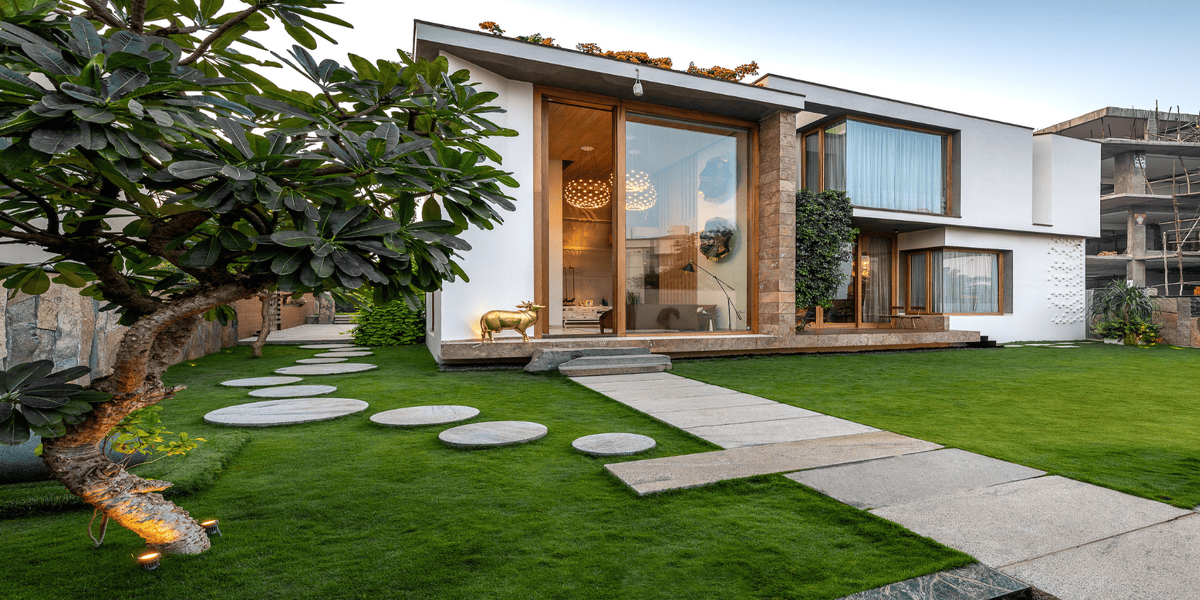
One of the most significant trends in eco-friendly home design is energy efficiency. Modern homes are being built with advanced insulation, energy-efficient windows, and smart layouts that maximize natural light and ventilation. Passive solar design, for instance, allows homes to naturally regulate temperature by strategically placing windows and thermal materials.
These features not only reduce energy consumption but also lower electricity bills, making them a practical and sustainable investment for homeowners.
2. Solar Power Integration
Solar energy continues to dominate sustainable home design trends. Rooftop solar panels are now more affordable and efficient, allowing homeowners to generate their own electricity. Many homes are also incorporating solar batteries to store excess energy for nighttime use.
In addition to reducing dependence on fossil fuels, solar power systems can significantly increase property value and offer long-term savings.
3. Sustainable Building Materials
Eco-conscious homeowners are increasingly choosing sustainable materials such as bamboo, reclaimed wood, recycled metal, and low-VOC (volatile organic compounds) paints. These materials are not only environmentally friendly but also enhance indoor air quality.
Recycled and locally sourced materials reduce transportation emissions and support local economies, making them a popular choice in modern home construction.
4. Smart Home Technology
Living an eco-friendly lifestyle depends heavily on technology. Smart home systems allow homeowners to monitor and control energy usage efficiently. Devices like smart thermostats, automated lighting, and water-saving appliances help minimize waste and optimize resource consumption.
For example, motion-sensor lights ensure electricity is only used when needed, while smart irrigation systems prevent water overuse in gardens.
5. Water Conservation Solutions
Water scarcity is a growing concern worldwide, and eco-friendly homes are addressing this issue through innovative solutions. Rainwater harvesting systems, greywater recycling, and low-flow fixtures are becoming standard features.
These systems reduce water wastage and promote responsible consumption, helping homeowners contribute to environmental conservation while lowering utility costs.
6. Green Roofs and Vertical Gardens
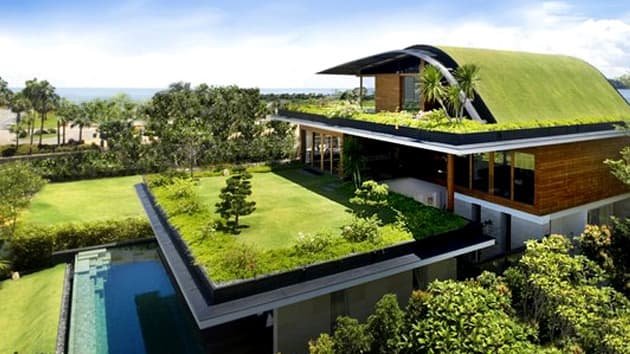
Green roofs and vertical gardens are gaining popularity in urban areas where space is limited. These features not only enhance the aesthetic appeal of homes but also provide insulation, reduce heat absorption, and improve air quality.
Plants act as natural air filters and help regulate indoor temperatures, creating a more comfortable and eco-friendly living environment.
7. Minimalist and Multi-Functional Design
Simplicity is a key aspect of sustainable living. Minimalist home designs focus on reducing clutter and using fewer resources. Multi-functional furniture and spaces help maximize utility without increasing the home’s footprint.
By adopting a “less is more” approach, homeowners can reduce waste and create efficient, organized living spaces.
8. Natural and Non-Toxic Interiors
Eco-friendly homes prioritize health as much as sustainability. Natural materials like organic cotton, wool, and stone are being used for interiors. Non-toxic finishes and paints ensure better indoor air quality and reduce exposure to harmful chemicals.
This trend is especially important for families looking to create a safe and healthy environment for their loved ones.
Eco-Friendly Home Design Trends in 2026 reflect a shift towards smarter, greener, and more responsible living. From energy-efficient architecture and solar power to sustainable materials and smart technology, these innovations are transforming the way we build and live in our homes.
By embracing these trends, homeowners can reduce their environmental impact, save money, and enjoy healthier living spaces. As sustainability becomes a priority, eco-friendly homes are no longer just an option—they are the future of modern living.
Best Adventures to do in India
Read Also: Tours And Travels Website Design