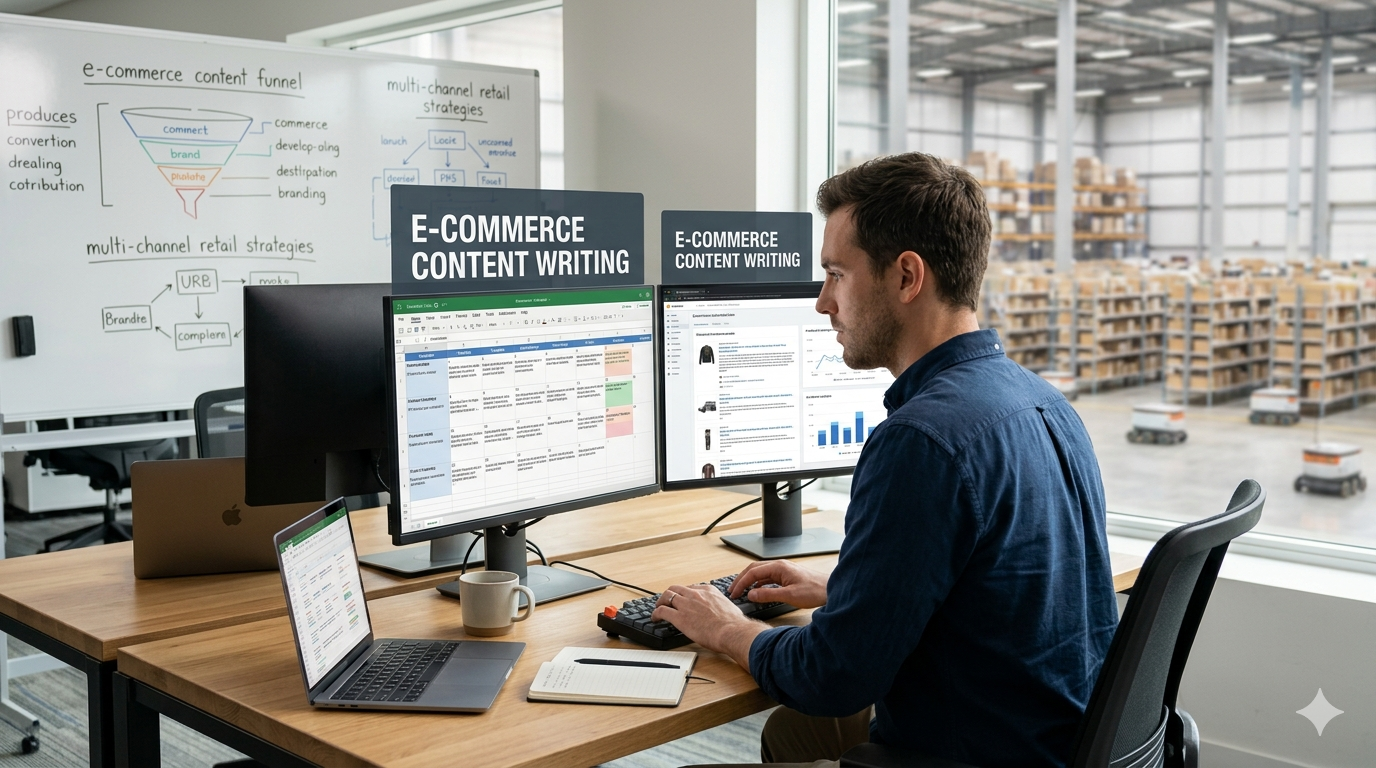
The global retail landscape has undergone a massive transformation over the past decade, driven largely by the rapid growth of E-commerce and D2C brands. With increasing internet penetration, smartphone usage, and changing consumer behavior, businesses are shifting from traditional retail models to more agile, digital-first strategies. This shift has opened new opportunities for brands to connect directly with customers, improve margins, and build stronger relationships.
What is E-commerce?
The term “e-commerce” describes the process of purchasing and selling products and services online. It eliminates geographical barriers, allowing businesses to reach customers worldwide. From small startups to large enterprises, companies are leveraging online platforms to showcase products, process transactions, and manage logistics efficiently.
One of the key advantages of e-commerce is convenience. Customers can browse products, compare prices, and make purchases anytime and anywhere. Additionally, advanced technologies such as artificial intelligence and data analytics enable personalized shopping experiences, increasing customer satisfaction and boosting sales.
Understanding D2C (Direct-to-Consumer) Brands
D2C brands are companies that sell their products directly to customers without relying on intermediaries like wholesalers, distributors, or traditional retail stores. This model allows brands to have complete control over their pricing, branding, and customer experience.
By cutting out the middlemen, D2C brands can offer competitive pricing while maintaining higher profit margins. Moreover, they can collect valuable customer data, which helps in creating targeted marketing campaigns and improving product offerings.
Benefits of E-commerce and D2C Brands
1. Better Customer Experience
Both e-commerce and D2C models focus heavily on customer experience. From user-friendly websites to fast delivery and easy return policies, businesses are prioritizing customer satisfaction like never before.
2. Cost Efficiency
Traditional retail involves high costs such as rent, staffing, and inventory management. E-commerce and D2C brands reduce these expenses significantly by operating online, making it easier for startups to enter the market.
3. Data-Driven Decisions
The ability to access real-time client information is a game changer. Businesses can analyze buying patterns, preferences, and behavior to make informed decisions and improve their strategies.
4. Global Reach
E-commerce platforms allow brands to expand beyond local markets and reach a global audience. This scalability is a major advantage for growing businesses.

Challenges in E-commerce and D2C
Despite the numerous benefits, there are also challenges that businesses must address:
- High Competition: The low entry barrier means more competitors in the market.
- Customer Acquisition Costs: Paid marketing and advertising can be expensive.
- Logistics and Supply Chain Issues: Timely delivery and inventory management are critical for success.
- Trust and Credibility: Building trust without a physical presence can be challenging, especially for new brands.
Future Trends in E-commerce and D2C
The future of e-commerce and D2C brands looks promising, with several emerging trends shaping the industry:
- Social Commerce: Selling products directly through social media platforms.
- Sustainability: Consumers are increasingly favoring eco-friendly brands.
- Personalization: AI-driven recommendations and customized experiences.
- Omnichannel Approach: Integrating online and offline experiences for seamless shopping.
E-commerce and D2C brands are revolutionizing the retail industry by offering convenience, cost efficiency, and personalized experiences. While challenges exist, the opportunities far outweigh the risks for businesses willing to adapt and innovate. As technology continues to evolve, companies that embrace digital transformation and prioritize customer-centric strategies will thrive in this competitive landscape.
Trends, opportunities and challenges of farm mechanization in India
Success stories and lessons from India’s agricultural cooperatives
Read Also: Laravel Framework Web Development