The rapid growth of artificial intelligence (AI) has transformed the way businesses operate. While AI offers many advantages, it has also introduced new cybersecurity challenges. One of the biggest threats today is deepfakes—AI-generated images, videos, or audio recordings that convincingly imitate real people. Cybercriminals are increasingly using deepfake technology to commit fraud, spread misinformation, and manipulate employees. Understanding how to detect and combat deepfakes in business is essential for protecting your organization’s finances, reputation, and sensitive information.
What Are Deepfakes?
Deepfakes are digitally created or altered media generated using artificial intelligence and machine learning. These technologies can produce highly realistic videos, voice recordings, and images that appear genuine. Criminals often use deepfakes to impersonate executives, business partners, or customers in order to gain unauthorized access to confidential information or financial assets.
As AI technology continues to improve, distinguishing between authentic and fake digital content becomes more challenging, making awareness and prevention increasingly important.
Why Deepfakes Are a Growing Business Threat
Businesses across every industry are vulnerable to deepfake attacks. Cybercriminals commonly use deepfakes to:
- Impersonate CEOs or executives to authorize fraudulent payments.
- Conduct phishing attacks using cloned voices or fake video calls.
- Damage a company’s reputation through misleading content.
- Manipulate stock prices by spreading false information.
- Steal confidential business data through social engineering.
Because these attacks often appear highly convincing, even experienced employees may struggle to recognize them without proper training.
How to Detect Deepfakes in Business
Early detection is the key to preventing costly attacks. Organizations should watch for several warning signs.
Examine Audio and Video Carefully
Deepfake videos may contain unnatural facial expressions, inconsistent blinking, unusual lighting, or lip movements that don’t perfectly match speech. AI-generated voices may sound slightly robotic or have unnatural pauses.
Verify Unexpected Requests
Always verify urgent financial requests, password changes, or confidential data transfers through a second communication channel. A simple phone call or face-to-face confirmation can prevent major fraud.
Use AI Detection Tools
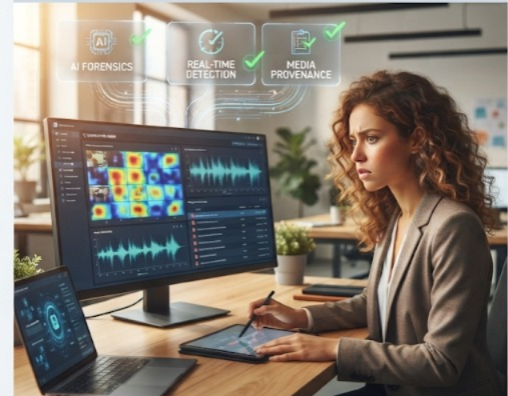
Modern cybersecurity platforms include AI-powered deepfake detection software that analyzes digital content for signs of manipulation. These tools can identify subtle inconsistencies invisible to the human eye.
Monitor Communication Patterns
Unusual email addresses, unexpected video meetings, or requests outside normal business procedures should immediately raise suspicion.

Best Practices to Combat Deepfakes
Organizations should adopt a layered security strategy to reduce deepfake risks.
Employee Awareness Training
Educate employees about how deepfakes work and teach them to verify unusual requests. Regular cybersecurity awareness programs help staff recognize social engineering attacks.
Multi-Factor Authentication (MFA)
Require multi-factor authentication for sensitive systems and financial transactions. Even if a deepfake successfully impersonates someone, MFA provides an additional security barrier.
Strong Verification Policies
Create strict approval procedures for wire transfers, confidential document sharing, and executive-level decisions. High-value transactions should require multiple approvals.
Invest in AI Security Solutions
Many cybersecurity vendors now provide AI-powered fraud detection systems capable of identifying manipulated media in real time. Combining human verification with automated detection significantly improves security.
Develop an Incident Response Plan
Businesses should establish a response strategy for suspected deepfake attacks. This plan should include reporting procedures, internal communication guidelines, forensic investigation steps, and legal response protocols.
Future of Deepfake Detection
As AI continues evolving, deepfake technology will become even more sophisticated. Fortunately, detection technology is also advancing rapidly. Governments, technology companies, and cybersecurity experts are collaborating to develop stronger authentication methods, digital watermarking, and AI-powered verification systems.
Businesses that invest in cybersecurity awareness and modern detection tools today will be better prepared to handle future threats.
Deepfakes represent one of the fastest-growing cybersecurity risks facing modern businesses. They can lead to financial losses, data breaches, and long-term reputational damage if left unchecked. By educating employees, implementing strong verification procedures, using AI-powered detection tools, and strengthening cybersecurity policies, organizations can effectively detect and combat deepfakes in business. Staying informed and proactive is the best defense against this rapidly evolving digital threat.
Trends, opportunities and challenges of farm mechanization in India
Success stories and lessons from India’s agricultural cooperatives
Read Also: Laravel Framework Web Development