Digital products like eBooks, templates, and online courses have transformed the way people create, sell, and consume content. Unlike physical goods, these products require no inventory, shipping, or manufacturing costs, making them one of the most profitable and scalable business models in today’s digital economy.
What Are Digital Products?
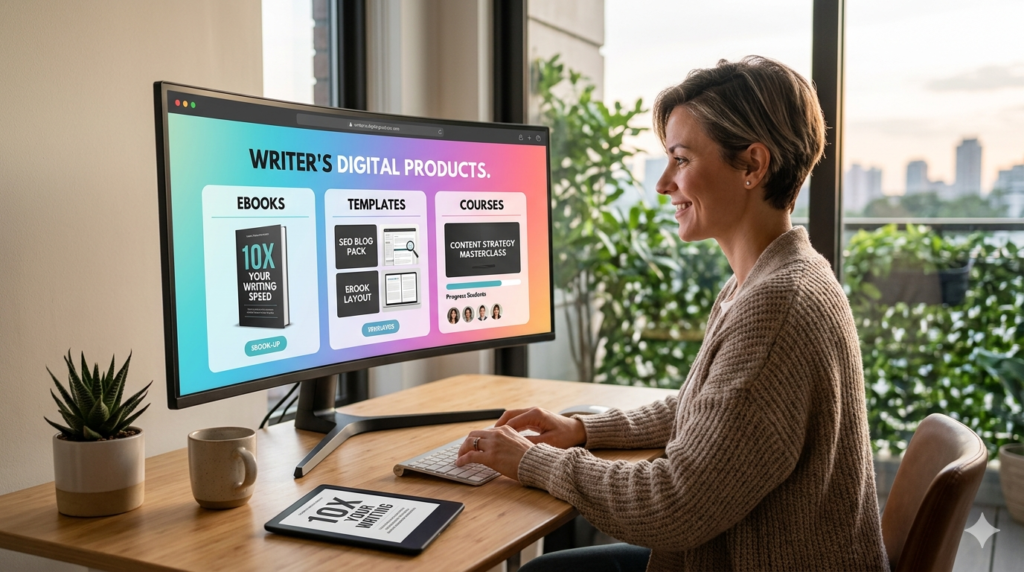
Digital products are intangible assets or media that can be sold and distributed online repeatedly without depletion. Common examples include:
- eBooks
- Website templates
- Online courses
- Printables
- Software and apps
Once created, these products can be sold unlimited times, allowing creators to generate passive income with minimal ongoing effort.
Benefits of Selling Digital Products
1. Low Startup Costs
Creating digital products doesn’t require a large investment. All you need is knowledge, creativity, and basic tools like a laptop and internet connection.
2. High Profit Margins
Since there are no production or shipping costs, most of your revenue becomes profit after initial creation expenses.
3. Global Reach
You can sell to anyone, anywhere in the world. This opens up massive opportunities to scale your business.
4. Passive Income Potential
Once your product is live, it can generate income continuously without active involvement.
Popular Types of Digital Products
eBooks
eBooks are one of the easiest digital products to create. If you have expertise in a topic like personal finance, fitness, or business, you can package your knowledge into a well-structured eBook and sell it online.
Tip: Focus on solving a specific problem to increase sales.
Templates
Templates save time and effort for users, making them highly valuable. These include:
- Website templates
- Resume templates
- Social media graphics
- Excel or budgeting sheets
Templates are especially popular because they provide instant solutions.
Online Courses
Online courses are one of the most lucrative digital offerings. If you can teach a skill—coding, marketing, design, or even cooking—you can create a course and sell it on platforms like your own website.
Why they work: People are willing to pay for structured learning and expert guidance.
How to Create a Successful Digital Product
Identify Your Niche
Choose a niche where you have knowledge and where there is demand. Research your audience’s pain points and needs.
Create High-Quality Content
Your product should provide real value. Whether it’s an eBook or course, ensure it is well-structured, easy to understand, and actionable.
Use the Right Tools
Tools like Canva, Google Docs, and video editing software can help you create professional products without high costs.
Test Before Launch
Get feedback from a small audience before launching. This helps improve your product and increase its success rate.
Marketing Your Digital Products
Creating a product is only half the job—marketing is what drives sales.
Content Marketing
Start a blog, YouTube channel, or social media page to attract your target audience.
Email Marketing
Build an email list and promote your products directly to interested users.
SEO Optimization
Use relevant keywords like “digital products,” “sell eBooks online,” or “online course creation” to rank higher in search engines.
Social Proof
Trust is established, and conversions are boosted by customer reviews and endorsements.
Common Mistakes to Avoid
- Creating products without market research
- Overpricing or underpricing
- Ignoring customer feedback
- Poor marketing strategies
You may greatly boost your chances of success by avoiding these errors.
Digital products such as eBooks, templates, and courses offer a powerful way to build a sustainable online income. With low costs, high scalability, and global reach, they are ideal for entrepreneurs, freelancers, and creators. By focusing on quality, solving real problems, and implementing effective marketing strategies, you can turn your knowledge into a profitable digital business.
Adolf Hitler Biography and His Brutality
What Is Middle East and Why Is It Called Middle East?
Read Also:Dating Or Matrimony Website Design