
Agreement forms the basis of all strong relationships. Whether a relationship is romantic, emotional, or physical, mutual consent creates trust, respect, and understanding between partners. Unfortunately, many people misunderstand what consent truly means, leading to confusion and unhealthy relationship dynamics. Learning the definition of consent in relationships helps individuals establish clear boundaries, communicate openly, and build stronger connections based on respect.
This article explains the meaning of consent, its importance, and how it contributes to safe and healthy relationships.
What Is the Definition of Consent in Relationships?
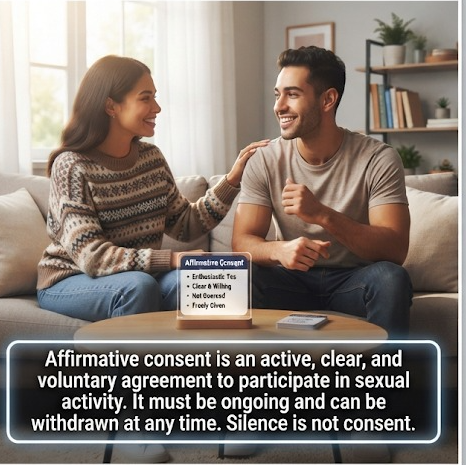
Consent in relationships is the clear, voluntary, and informed agreement between individuals to participate in a specific activity. It must be given freely without pressure, manipulation, threats, or coercion. Consent should always be enthusiastic, mutual, and based on personal choice.
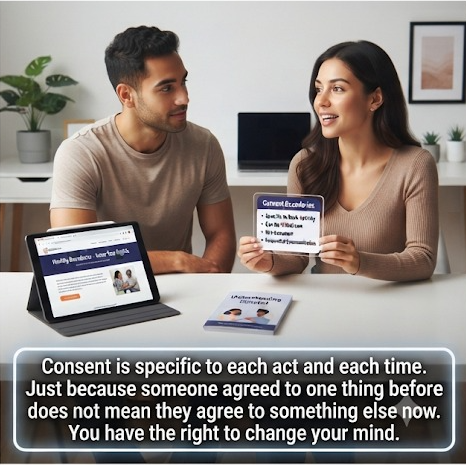
It is important to understand that consent is not permanent. A person can withdraw consent at any time, even if they previously agreed. Respecting someone’s decision immediately is a vital part of maintaining a healthy relationship.
Simply put, consent means both people are comfortable, willing, and actively choosing to participate.
Why Consent Is Important in Every Relationship
Consent strengthens relationships by creating an environment of trust and mutual respect. When partners openly discuss their boundaries and expectations, they feel emotionally and physically safe.
Some key benefits of practicing consent include:
- Builds trust between partners.
- Encourages honest communication.
- Respects personal boundaries.
- Reduces misunderstandings and conflict.
- Promotes emotional and physical safety.
- Strengthens long-term relationship satisfaction.
Healthy relationships are not built on assumptions but on clear communication and mutual agreement.
Key Characteristics of Genuine Consent
Understanding what makes consent valid is essential. Genuine consent includes several important qualities.
Freely Given
Consent must be offered without force, pressure, guilt, manipulation, or fear. Every individual should feel completely free to make their own decision.
Clearly Communicated
Consent should be expressed through clear words or unmistakable actions. Silence, hesitation, or uncertainty should never be interpreted as agreement.
Informed Decision
People should understand what they are agreeing to before giving consent. Honest communication ensures that everyone makes informed choices.
Ongoing Process
Consent is not a one-time conversation. It should continue throughout the relationship and be confirmed whenever circumstances change.
Can Be Withdrawn
Everyone is entitled to alter their decision at any given time. Respecting a partner’s decision immediately demonstrates maturity and respect.
Common Misunderstandings About Consent
Many myths surrounding consent can create confusion. Here are some common misconceptions:
- Being in a partnership does not imply immediate agreement.
- Previous consent does not guarantee future consent.
- Getting married does not remove the necessity for consent.
- Silence or lack of resistance does not equal agreement.
- Consent given under pressure is not valid consent.
Recognizing these misconceptions helps create healthier and more respectful relationships.
How to Practice Consent in Daily Relationships
Practicing consent goes beyond intimate situations. It becomes part of everyday communication and respect.
Here are simple ways to encourage consent:
- Ask before making assumptions.
- Listen carefully to your partner’s responses.
- Respect personal boundaries without argument.
- Encourage honest conversations.
- Accept “no” gracefully and respectfully.
- Continue checking in during important decisions.
These habits promote stronger emotional connections and greater mutual respect.
The Role of Communication in Consent
Open communication is the heart of consent. Partners who regularly discuss their feelings, comfort levels, and expectations are more likely to build lasting relationships.
Good communication includes asking questions, listening without judgment, expressing personal boundaries clearly, and respecting each other’s choices. These conversations foster confidence and emotional security for both individuals.
Understanding the definition of consent in relationships is essential for building respectful, healthy, and lasting connections. Consent is more than simply saying “yes.” It involves ongoing communication, mutual respect, personal choice, and the freedom to change one’s mind at any time.
By practicing clear communication and respecting boundaries, couples can strengthen trust, improve emotional intimacy, and create relationships based on equality and understanding. Making consent a regular part of every interaction helps ensure that both partners feel valued, safe, and respected throughout their relationship.
Private Places for Couples in Kolkata
Read Also: Adult Toys Website Design