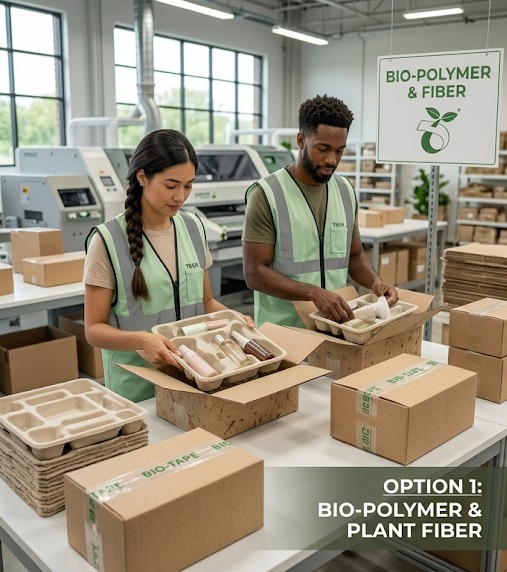
The rapid growth of online shopping has transformed the way products reach consumers, but it has also increased the demand for shipping boxes, mailers, protective wraps, and fillers. Traditional plastic packaging can create long-term environmental problems, encouraging e-commerce brands to search for better alternatives. Biodegradable e-commerce packaging innovations are emerging as an important solution, combining product protection with more responsible material choices.
In 2026, sustainable packaging is moving beyond simple paper boxes. New solutions include plant-based polymers, molded fibers, mushroom-based materials, seaweed packaging, and reusable systems. Industry trends also show growing interest in packaging that is lighter, smarter, and easier to dispose of responsibly.
Why Biodegradable Packaging Matters for E-Commerce
Every online order requires packaging capable of protecting products throughout storage, handling, transportation, and final delivery. When conventional plastic mailers, foam, and protective materials are discarded after one use, they can remain in the environment for extended periods.
Biodegradable packaging is designed to break down under appropriate environmental or composting conditions. This can help businesses reduce dependence on conventional petroleum-based packaging while responding to customers who increasingly value sustainable purchasing choices.
However, biodegradable and compostable should not automatically be treated as identical. Some compostable materials require specific industrial composting conditions to break down effectively, making clear disposal instructions essential.
Plant-Based Materials Are Changing Packaging Design
One of the most exciting areas of innovation involves materials derived from renewable biological resources. PLA, for example, is a bio-based material commonly produced from plant-derived feedstocks and used in various packaging applications. Researchers are also developing newer bioplastics such as polyhydroxyalkanoates (PHAs), which can offer biodegradable and compostable alternatives for certain applications.
These materials can be converted into films, pouches, protective components, and other packaging formats. Their development is helping brands explore alternatives without completely sacrificing convenience or functionality.
Mushroom and Agricultural-Fiber Packaging
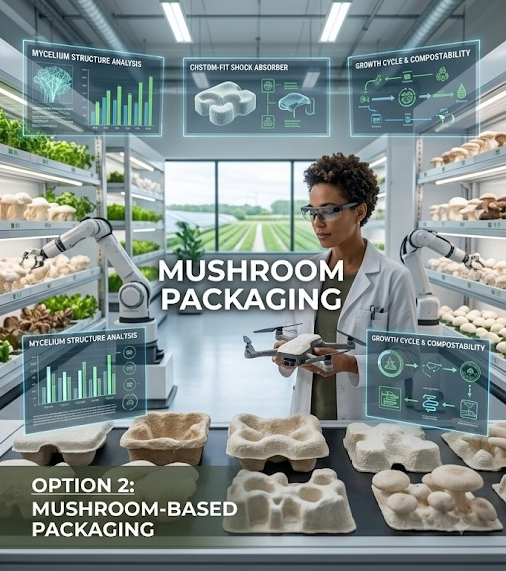
Another innovative direction is the use of natural fibers and mycelium. Mushroom-based packaging uses fungal mycelium to create lightweight protective structures that can replace some petroleum-based foams.
Agricultural waste is also becoming a valuable packaging resource. Bamboo fibers, sugarcane residues, wood pulp, and other plant-based fibers can be processed into trays, inserts, boxes, and protective packaging. Such approaches can turn renewable or previously discarded materials into useful packaging components.
Smart and Minimalist Packaging
Sustainability is not only about changing the material. Reducing unnecessary packaging is equally important. Right-sized boxes and mailers can minimize empty space, reduce material consumption, and improve transportation efficiency.
Smart packaging is another emerging innovation. QR codes and digital information can help customers understand a package’s material, reuse possibilities, and disposal instructions. Industry forecasts for 2026 also highlight the increasing role of smart packaging technologies alongside next-generation biodegradable materials.
Compostable Mailers and Protective Alternatives
Compostable mailers are becoming an attractive option for businesses shipping clothing, accessories, documents, and lightweight products. Instead of relying entirely on conventional plastic envelopes, companies can explore plant-based or certified compostable alternatives where the required disposal infrastructure exists.
For fragile products, paper-based honeycomb wraps, molded fiber inserts, corrugated structures, and other plastic-free cushioning options can provide protection without conventional foam. The best solution depends on product weight, fragility, moisture exposure, transportation distance, and storage conditions.
The Importance of Responsible Disposal
A biodegradable package is not automatically environmentally beneficial in every situation. Its actual impact depends on how it is manufactured, transported, used, and discarded. Businesses should therefore check material certifications, disposal requirements, and local waste-management facilities before making environmental claims.
Clear labeling can prevent customers from placing compostable materials in recycling bins or assuming that every biodegradable package will quickly disappear in a backyard compost pile.
The Future of Sustainable E-Commerce Packaging
The future of e-commerce packaging will likely combine biodegradable materials with lightweight design, efficient sizing, reusable systems, and digital guidance. Market research also indicates continued growth in India’s e-commerce packaging sector, including biodegradable and compostable packaging categories.
For online retailers, the goal should not simply be to replace one material with another. Instead, businesses can evaluate the entire packaging lifecycle and choose solutions that balance durability, cost, customer experience, recyclability, compostability, and environmental impact.
Biodegradable e-commerce packaging innovations are reshaping the delivery experience by introducing renewable materials, compostable formats, natural-fiber protection, smart labeling, and packaging-efficient designs. As e-commerce continues to expand, sustainable packaging can become an important part of responsible business operations.
The most successful approach will be practical rather than purely promotional: use less packaging where possible, select appropriate certified materials, protect products effectively, and provide customers with clear disposal guidance. By combining innovation with responsible decision-making, e-commerce businesses can move toward a packaging system that is more efficient and better aligned with a circular, lower-waste future.
Trends, opportunities and challenges of farm mechanization in India
Success stories and lessons from India’s agricultural cooperatives
Read Also: Laravel Framework Web Development