Microplastics have become one of the biggest environmental concerns of the modern era. These tiny plastic particles, measuring less than five millimeters, are no longer limited to oceans and rivers. Research has shown that they can also be found inside our homes, where they accumulate in dust, household products, and everyday items. While completely eliminating microplastics is nearly impossible, making a few smart changes can significantly reduce your exposure.
If you are looking to create a cleaner and healthier home, understanding where microplastics come from and how to avoid them is the first step.
What Are Microplastics?
Microplastics are tiny fragments of plastic created when larger plastic products break down over time or are intentionally manufactured for commercial use. They are so small that they often go unnoticed, yet they can settle on furniture, floors, clothing, and even food.
Indoor environments can contain surprisingly high levels of microplastics because many household items are made from synthetic materials that gradually shed tiny plastic fibers into the air.
Common Sources of Microplastics in Your Home
Knowing where microplastics originate can help you make informed decisions.
Some of the most common household sources include:
- Synthetic clothing made from polyester, nylon, or acrylic
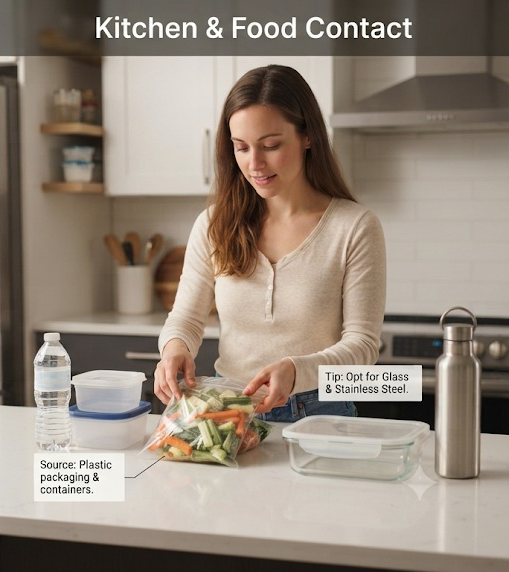
- Plastic food containers and disposable packaging
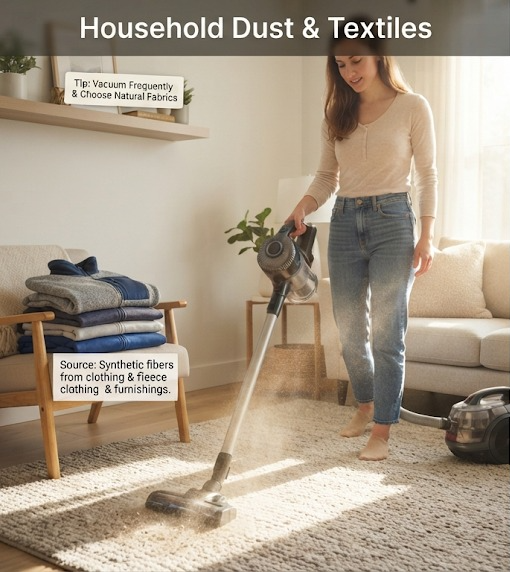
- Carpets and rugs made with synthetic fibers
- Upholstered furniture containing plastic-based fabrics
- Cleaning sponges and microfiber cloths
- Plastic kitchen utensils and cutting boards
Everyday wear and tear causes these items to release microscopic particles into your living space.
Improve Indoor Air Quality
One of the easiest ways to reduce microplastics indoors is by improving air quality. Dust often contains plastic fibers that circulate throughout your home.
Vacuum regularly using a vacuum cleaner equipped with a HEPA filter, which captures finer particles more effectively than standard filters. Damp dusting surfaces instead of dry dusting also prevents particles from becoming airborne.
Opening windows for natural ventilation whenever possible can further reduce indoor pollution.
Choose Natural Materials
Replacing synthetic household products with natural alternatives can make a noticeable difference over time.
Consider choosing:
- Cotton or linen bedding
- Wool rugs
- Wooden furniture
- Glass storage containers
- Stainless steel kitchenware
- Bamboo cleaning brushes
Natural materials generally release fewer synthetic particles and are often more environmentally friendly.
Be Careful with Plastic Food Storage
Plastic containers can release microscopic plastic particles, especially when exposed to heat.
Instead of microwaving food in plastic containers, transfer meals to glass or ceramic dishes before reheating. Glass food storage containers are durable, reusable, and help reduce unnecessary plastic exposure.
Avoid storing hot liquids in plastic bottles whenever possible.
Wash Synthetic Clothing Wisely
Laundry is one of the largest contributors to household microplastic pollution. Synthetic fabrics shed tiny fibers during every wash.
To minimize fiber release:
- Wash clothes only when necessary.
- Use shorter wash cycles.
- Wash with cold water whenever appropriate.
- Fill the washing machine completely to reduce friction.
- Consider using laundry bags designed to capture microfiber particles.
Buying high-quality natural fiber clothing can also reduce long-term microfiber shedding.
Reduce Single-Use Plastics
Many disposable household products eventually break down into smaller plastic particles.
Simple swaps include:
- Reusable shopping bags
- Refillable water bottles
- Glass beverage bottles
- Beeswax food wraps
- Metal straws
- Reusable food containers
These alternatives not only reduce waste but also limit the amount of plastic entering your home.
Keep Your Home Cleaner
Regular cleaning helps remove settled microplastics before they accumulate.
Clean and vacuum often, launder curtains and bedding consistently, and change air filters as advised by the manufacturer. Houseplants may also contribute to a healthier indoor environment by helping improve overall air quality, although they do not directly remove microplastics.
Consistency is more important than perfection when maintaining a cleaner home.
Avoiding microplastics hiding inside your home does not require a complete lifestyle overhaul. Small, practical changes—such as choosing natural materials, reducing plastic use, improving indoor air quality, and cleaning regularly—can significantly decrease everyday exposure. As awareness of microplastic pollution continues to grow, adopting healthier household habits benefits both your family and the environment. By making thoughtful purchasing decisions and maintaining a cleaner living space, you can create a safer, more sustainable home for years to come.
Andaman and Nicobar Islands Forests
Tours And Travels Website Design