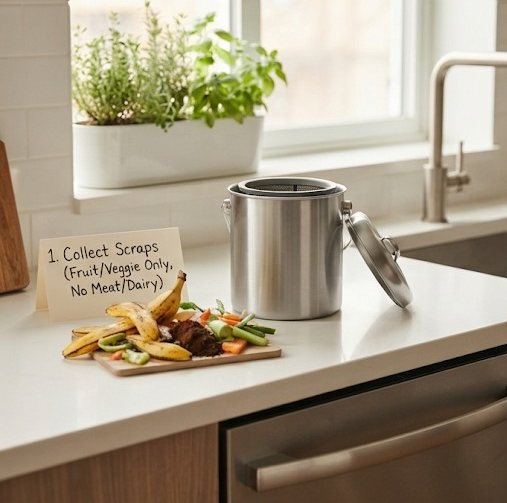
Living in a small apartment doesn’t mean you have to give up on sustainable living. In fact, home composting for small apartments is easier than ever with modern composting methods that are clean, odor-free, and space-efficient. Whether you’re growing a few indoor plants or simply want to reduce household waste, composting can help you create nutrient-rich organic matter while lowering the amount of garbage you send to landfills.
This comprehensive guide explains how to start composting in a compact living space without creating unpleasant smells or attracting pests.
Why Home Composting Matters
Every day, kitchen scraps like fruit peels, vegetable trimmings, coffee grounds, and eggshells end up in the trash. These organic materials decompose in landfills and produce methane, a greenhouse gas that contributes to climate change. By composting at home, you recycle these materials into valuable compost that nourishes plants naturally.
Apartment composting also helps reduce waste collection, lowers your environmental impact, and supports a greener lifestyle.
Choose the Right Composting Method
The best composting system depends on your available space and lifestyle.
Bokashi Composting is ideal for apartments because it uses beneficial microbes to ferment food waste in a sealed bucket, preventing unpleasant odors.
Vermicomposting, or worm composting, uses red wigglers to break down kitchen scraps. When maintained properly, a worm bin is odor-free and produces nutrient-rich compost and liquid fertilizer.
If you have access to a balcony, a compact compost bin designed for outdoor use can also work well in limited spaces.
What You Can Compost
Adding the right materials is essential for successful composting.
Suitable items include:
- Fruit and vegetable scraps
- Coffee grounds and paper filters
- Tea leaves and tea bags without plastic
- Crushed eggshells
- Dry leaves
- Shredded newspaper and plain cardboard
- Paper towels without chemical cleaners
Avoid composting meat, fish, dairy products, oily foods, cooked meals, pet waste, and glossy paper, as these can create odors and attract pests.
Keep Your Compost Bin Odor-Free
Many people avoid apartment composting because they worry about bad smells. Fortunately, proper maintenance keeps compost bins fresh.
Balance wet food scraps with dry “brown” materials such as shredded paper or dry leaves. Avoid overloading the bin with excessive moisture. When utilizing a worm bin, it is advisable to feed the worms slowly rather than introducing large quantities of food all at once.
Keeping the lid securely closed and following the recommended composting process will prevent insects and unpleasant odors.

Finding the Perfect Spot
Even the smallest apartment usually has room for a compost bin. Popular locations include:
- Under the kitchen sink
- Inside a pantry
- On a balcony
- In a laundry area
- Near indoor plants
Choose a location that stays cool, dry, and away from direct sunlight to encourage healthy decomposition.
How to Use Finished Compost
Once your compost is dark, crumbly, and smells earthy, it’s ready to use. Mix it into potting soil for indoor plants, balcony gardens, herbs, or flowers. Compost improves soil structure, retains moisture, and provides essential nutrients without relying on chemical fertilizers.
If you produce more compost than you need, consider sharing it with neighbors, community gardens, or local gardening groups.
Tips for Successful Apartment Composting
Start with a small compost bin and expand only after you’re comfortable with the process. Cut kitchen leftovers into smaller pieces to accelerate the process of decomposition. Monitor moisture levels regularly and maintain a balance between green and brown materials. Clean the outside of your compost container occasionally to keep your kitchen tidy.
Consistency is more important than perfection. Small daily efforts lead to healthy compost over time.
Home composting in a small apartment is a practical and environmentally friendly habit that anyone can adopt. With the right composting method, proper maintenance, and a little patience, you can transform everyday kitchen waste into nutrient-rich compost while reducing landfill waste and supporting a healthier planet. Whether you choose a Bokashi bucket, worm bin, or compact compost container, apartment composting is an easy step toward a more sustainable lifestyle.
Andaman and Nicobar Islands Forests
Tours And Travels Website Design