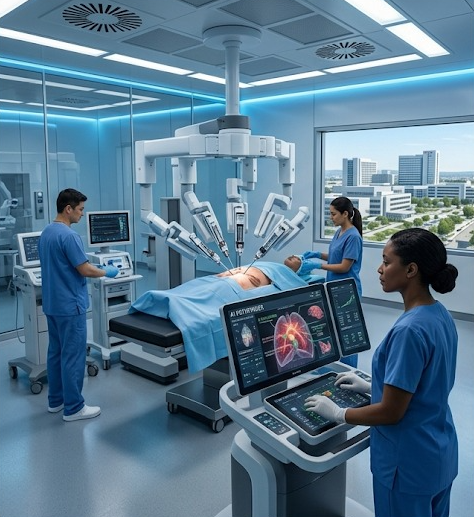
Artificial intelligence (AI) is rapidly changing the healthcare industry by introducing smarter, faster, and more personalized ways to prevent, diagnose, and treat diseases. From analyzing medical images to supporting doctors with clinical decisions, AI innovations in healthcare are helping medical professionals improve patient outcomes while making healthcare services more efficient.
As technology continues to advance, healthcare organizations are increasingly adopting AI-powered systems to manage large amounts of medical data, identify health risks, and deliver better patient experiences.
How AI Is Changing Healthcare
Traditional healthcare depends heavily on manual processes, medical expertise, and large amounts of patient information. AI can process enormous datasets in a short period and identify patterns that may be difficult for humans to recognize.
Machine learning, natural language processing, computer vision, and predictive analytics are among the technologies being used across hospitals, laboratories, pharmacies, and research institutions. These tools can assist healthcare professionals without replacing the importance of human judgment and medical expertise.
AI-Powered Medical Diagnosis
One of the most significant AI innovations in healthcare is intelligent medical diagnosis. AI systems can examine medical images such as X-rays, CT scans, MRIs, and ultrasound images to help identify abnormalities.
For example, computer vision technology can assist radiologists in detecting suspicious areas in medical scans. AI can also analyze patient symptoms, medical histories, and laboratory results to identify potential health conditions.
This technology can support earlier detection and help doctors make informed decisions, particularly when healthcare professionals are dealing with large numbers of patients.
Personalized Treatment and Patient Care
Every patient responds differently to treatment. AI is helping healthcare providers move toward more personalized medical care by analyzing individual patient information.
AI systems can evaluate factors such as medical history, genetics, lifestyle, medications, and previous treatment responses. Based on these patterns, healthcare professionals can gain additional insights when selecting appropriate treatment strategies.
Personalized healthcare may improve treatment effectiveness while reducing unnecessary procedures and medication-related risks.
AI in Drug Discovery and Medical Research
Developing a new medicine traditionally takes years of research, testing, and investment. AI is helping researchers analyze biological information and identify promising drug candidates more efficiently.
AI algorithms can examine molecular structures, predict how compounds may interact with biological targets, and assist researchers in identifying potential treatments. This can accelerate certain stages of pharmaceutical research and help scientists explore possibilities that might otherwise require significant time and resources.
Virtual Healthcare Assistants and Telemedicine
AI-powered virtual assistants are also becoming increasingly common in digital healthcare. These systems can help patients receive basic information, schedule appointments, track symptoms, and receive reminders.
When integrated with telemedicine platforms, AI can support remote healthcare by organizing patient information and helping medical professionals review relevant data before consultations.
However, AI-based assistants should complement professional medical care rather than act as a replacement for qualified healthcare providers.
Predictive Analytics for Disease Prevention
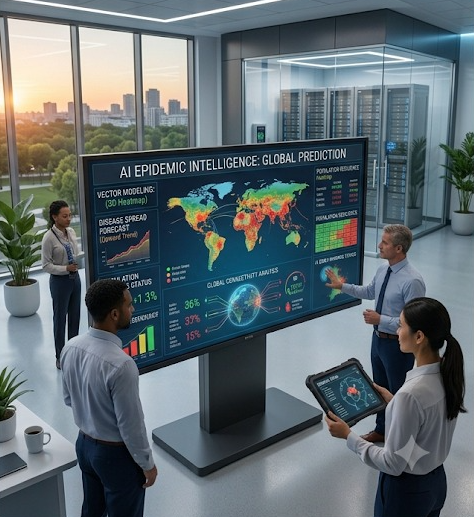
Another important application of AI is predictive healthcare. Instead of focusing only on treating existing illnesses, healthcare organizations can use AI to identify potential risks earlier.
By analyzing patient records, lifestyle information, medical history, and other available data, predictive models can help identify individuals who may require additional monitoring. Early intervention can potentially reduce complications and support better long-term health management.
Challenges and Ethical Considerations
Although AI in healthcare has its benefits, it also comes with significant difficulties. Patient privacy, cybersecurity, data accuracy, algorithmic bias, and transparency must be carefully addressed.
Healthcare organizations need strong security measures to protect sensitive medical information. AI systems should also be tested and monitored to ensure that their recommendations are reliable and fair.
Human oversight remains essential because medical decisions can have serious consequences. AI should support healthcare professionals while keeping patient safety and informed decision-making at the center.
The Future of AI in Healthcare
The future of AI in healthcare is likely to involve deeper integration between intelligent technologies and medical professionals. Advances in predictive analytics, medical imaging, robotics, remote monitoring, and personalized medicine could create more efficient healthcare systems.
The greatest potential of AI is not simply automation. Its real value lies in helping doctors and researchers understand complex information, discover new possibilities, and provide more personalized care.
AI innovations in healthcare are transforming how diseases are detected, treatments are developed, and patients receive medical services. From intelligent diagnosis and personalized treatment to drug discovery and predictive analytics, AI offers powerful opportunities for improving modern healthcare.
At the same time, responsible implementation is essential. Privacy, accuracy, fairness, security, and human oversight must remain priorities. With the right balance between advanced technology and professional medical expertise, AI can play a major role in creating a smarter, more accessible, and patient-focused healthcare future.
Effects of AI in Upcoming Technology
Manhole – Essential Access Points in Urban Infrastructure
RCPC Manhole Covers and Frames
Read Also : Social Network Website Design