
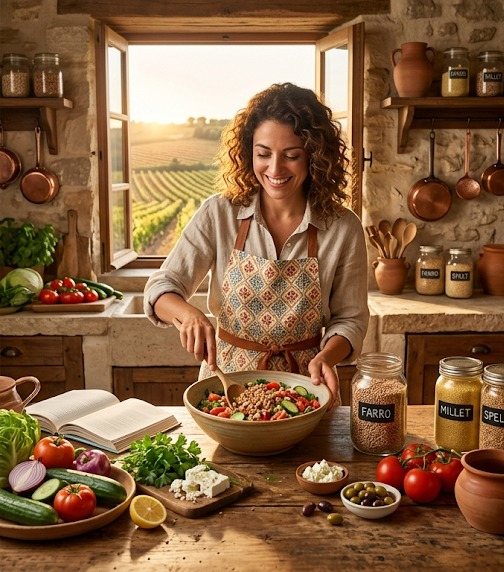
Ancient grains are making a strong comeback in modern kitchens. These wholesome grains have been cultivated for centuries and are valued for their distinctive flavors, satisfying textures, and nutritional qualities. Cooking with ancient grains is an excellent way to add variety to everyday meals while exploring ingredients that have a long culinary history. From breakfast bowls to hearty dinners, ancient grains can easily become part of a balanced and flavorful diet.
What Are Ancient Grains?
Ancient grains are grains and grain-like seeds that have remained relatively unchanged over generations. Popular examples include quinoa, millet, amaranth, sorghum, teff, farro, and spelt. Although each grain has a different taste and texture, many are naturally rich in fiber, minerals, and plant-based nutrients.
Unlike refined grains, whole ancient grains retain more of their natural components, making them an appealing choice for people who want to build nutritious meals with minimally processed ingredients.
Why Cook With Ancient Grains?
One of the biggest advantages of ancient grains is their versatility. They can be boiled, baked, toasted, or incorporated into a wide range of recipes. Their textures can transform a simple dish into something more satisfying.
For example, quinoa works beautifully in salads and vegetable bowls, while millet can create a creamy breakfast porridge. Sorghum has a pleasantly chewy texture that works well in grain bowls, and farro can add richness to soups and salads.
Ancient grains can also help increase dietary variety. Instead of relying on the same rice or wheat-based dishes every day, experimenting with different grains introduces new flavors and textures to the kitchen.
How to Prepare Ancient Grains
Effective readiness is crucial for obtaining optimal outcomes. Start by checking the cooking instructions for the specific grain because water requirements and cooking times can vary.
Some grains benefit from rinsing before cooking to remove surface particles and improve their flavor. Others may benefit from soaking, particularly when you want to reduce cooking time. Toasting grains lightly in a dry pan before adding water can also bring out a deeper, nuttier aroma.
A basic cooking method involves combining the grain with water or broth, bringing the mixture to a simmer, covering it, and cooking until the liquid is absorbed and the grain becomes tender. Allowing the cooked grain to rest for a few minutes before fluffing can improve its final texture.
Delicious Ways to Use Ancient Grains
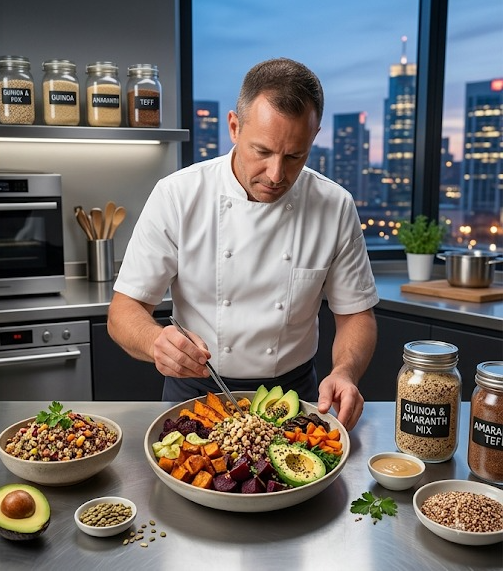
There are countless ways to include ancient grains in everyday cooking. A colorful quinoa and roasted vegetable bowl can make a quick lunch, while cooked farro can provide a hearty foundation for a Mediterranean-inspired salad.
For breakfast, try warm millet topped with fresh fruit, nuts, seeds, and yogurt. Amaranth can also be cooked into a creamy porridge and paired with cinnamon and seasonal fruit.
Sorghum can be added to soups and stews for extra texture, while teff can be used in porridge or traditional-style flatbreads. These grains can also replace rice or pasta in many familiar recipes.
Tips for Better Ancient Grain Cooking
Keep a few practical tips in mind when experimenting with ancient grains. Store uncooked grains in airtight containers in a cool, dry place. Cook larger batches when possible and refrigerate leftovers for convenient meals throughout the week.
Seasoning is equally important. Herbs, spices, roasted vegetables, citrus juice, garlic, nuts, and fresh greens can complement the natural flavors of ancient grains. Cooking grains in vegetable or chicken broth instead of plain water can also add depth.
Making Ancient Grains Part of Everyday Meals
Cooking with ancient grains does not require complicated recipes or advanced culinary skills. Start by replacing a familiar ingredient with an ancient grain in a favorite dish. Add quinoa to salads, use farro in soups, or prepare millet as a breakfast cereal.
With a little experimentation, these traditional ingredients can become modern kitchen staples. Their versatility, interesting textures, and distinctive flavors make ancient grains an exciting choice for anyone looking to create wholesome and satisfying meals.
Cooking with ancient grains offers a simple way to bring nutritional variety and culinary creativity to the table. Whether you are preparing breakfast, lunch, dinner, or a healthy snack, grains such as quinoa, millet, sorghum, farro, and amaranth provide plenty of possibilities. By learning how to prepare and season them properly, you can turn these time-tested ingredients into delicious meals for today’s lifestyle.
Liver Cancer Symptoms Cause and Remedy
Read Also: Medical Website Design