
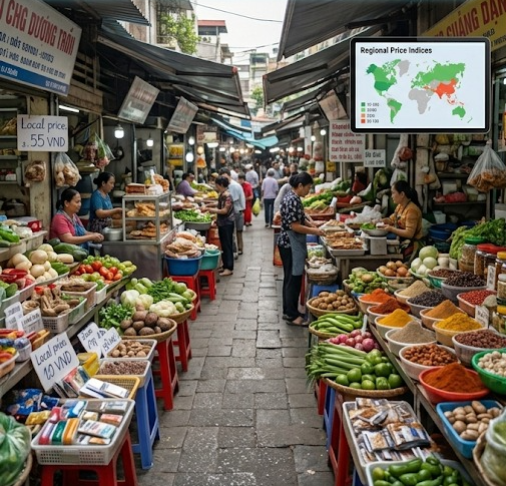
The cost of living in nomad hubs is one of the most important factors digital nomads consider when choosing where to work and live. With remote work becoming more common, cities across Asia, Europe, Latin America, and other regions are attracting freelancers, entrepreneurs, and remote employees. However, the amount required each month can vary greatly depending on accommodation, food choices, transportation, workspace preferences, and lifestyle.
Recent 2026 comparisons suggest that a comfortable digital nomad lifestyle can range from roughly $1,200 to $2,500 per month in many popular destinations, while lower-cost cities can require considerably less.
Accommodation Is Usually the Biggest Expense
Housing generally takes the largest share of a nomad’s monthly budget. Short-term apartments in popular neighborhoods can be significantly more expensive than long-term local rentals. Choosing a residential area outside the main tourist district can therefore make a major difference.
Cities such as Da Nang, Baguio, Chiang Mai, and several destinations in Southeast Asia are known for offering relatively affordable accommodation compared with many major Western cities. A 2026 nomad cost index, for example, places monthly overall costs at around $700 in Da Nang and $935 in Chiang Mai under its defined budget.
Food and Everyday Expenses
Food costs depend heavily on personal habits. Eating at local restaurants and markets is usually much cheaper than relying on international restaurants, delivery services, and imported products.
Nomads who cook some meals at home can reduce expenses further. Local food can also provide an opportunity to experience the culture while keeping the monthly budget under control. In Chiang Mai, for example, recent estimates put inexpensive local meals in the low single-digit dollar range.
Transportation Costs
Transportation is another area where nomads can save money. Cities with reliable public transportation, walkable neighborhoods, affordable taxis, or inexpensive scooter rentals can reduce daily expenses.
Before selecting a destination, remote workers should consider how close their accommodation is to coworking spaces, supermarkets, restaurants, and other essential services. Paying slightly more for a convenient location may actually reduce transportation costs over the course of a month.
Coworking and Internet Expenses
Reliable internet is essential for digital nomads, especially those working with international clients or companies. Although many travelers work from apartments and cafés, coworking spaces can provide faster connections, professional facilities, meeting rooms, and networking opportunities.
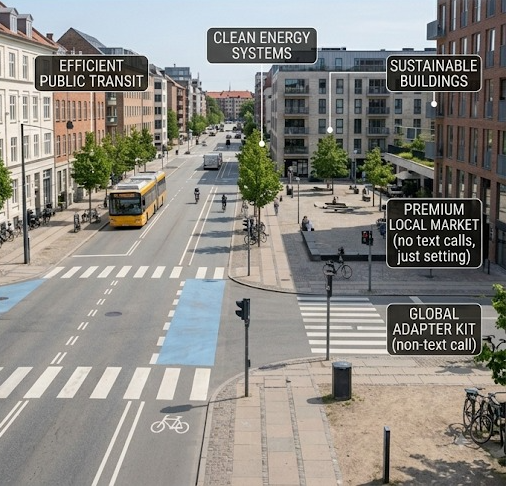
Coworking costs vary between cities and membership levels. In some Asian nomad hubs, basic memberships can be relatively inexpensive, while premium spaces in major European or North American cities can substantially increase monthly expenses.
Budget-Friendly vs. Premium Nomad Hubs
Not every nomad hub offers the same financial experience. Southeast Asian cities are often attractive to budget-conscious remote workers because accommodation, food, and transportation can be comparatively affordable. Latin American destinations can also provide good value, while European and North American hubs generally require larger budgets.
For example, a 2026 comparison of 95 nomad-friendly cities reported an average monthly cost of about $1,406 across its selected categories, with regional averages varying considerably.
Hidden Costs to Consider
A realistic cost of living in nomad hubs should include more than rent and food. Travelers should budget for visas, travel insurance, mobile data, healthcare, banking fees, currency conversion, flights between destinations, entertainment, and unexpected expenses.
Frequent relocation can also become surprisingly expensive. Staying for several months instead of moving every few weeks may reduce accommodation and transportation costs while creating a more stable work routine.
How to Reduce Your Nomad Living Costs
Smart budgeting can make long-term travel much more sustainable. Choose longer rental periods, live outside premium tourist districts, use local transportation, prepare some meals yourself, and compare coworking memberships before paying for one.
It is also useful to track expenses throughout the month. Small daily purchases can accumulate quickly, particularly when coffee shops, delivery apps, nightlife, and spontaneous trips become regular habits.
The cost of living in nomad hubs depends less on the destination alone and more on how you choose to live there. Affordable cities can provide excellent value when combined with local spending habits, while expensive destinations may still be worthwhile for those who prioritize infrastructure, culture, or professional opportunities.
The best approach is to create a complete monthly budget before moving. By comparing housing, food, transportation, internet, workspace, visas, and personal expenses, digital nomads can select a destination that matches both their income and lifestyle without sacrificing work quality or travel experiences.
Read Also: Wedding Website Design