Renewable energy is no longer limited to homeowners who can install large solar panels on their roofs. Renters can also make meaningful changes to reduce their dependence on traditional electricity and support cleaner energy. Although tenants may not be able to make permanent changes to a property, several renewable energy options for renters are affordable, flexible, and easy to adopt.
From portable solar devices to green electricity plans, renters have more choices than ever. The right solution depends on the type of rental property, the local energy market, available sunlight, and the tenant’s budget.
Choose a Renewable Electricity Plan
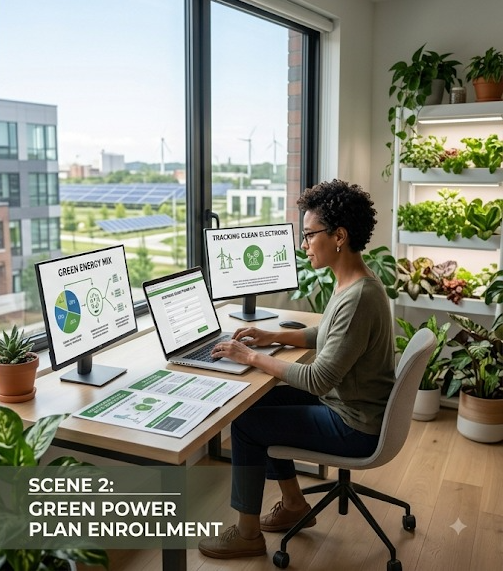
One of the easiest ways for renters to support renewable energy is by choosing a green electricity plan. In areas where electricity providers offer renewable energy programs, tenants may be able to select a plan that supports electricity generated from sources such as solar, wind, and hydropower.
This option does not require installing equipment or making changes to the rental property. Renters can simply check their utility provider’s available plans and compare pricing, contract terms, and renewable energy commitments.
Use Portable Solar Panels
Portable solar panels are another practical option for tenants. Unlike permanent rooftop systems, portable panels can be moved from one location to another, making them particularly useful for people living in apartments or temporary housing.
These panels can provide power for small devices such as smartphones, tablets, lights, cameras, and other compatible electronics. Some larger portable solar systems can also work with battery storage units to provide backup electricity.
Before purchasing a portable solar setup, renters should check whether their balcony, terrace, garden, or outdoor space receives enough direct sunlight. They should also follow building rules and avoid installing equipment in ways that create safety concerns.
Invest in a Solar Battery Generator
A solar generator merges solar charging with battery storage. It can collect energy through compatible solar panels and store electricity for later use. This makes it useful during power interruptions or when electricity is unavailable.
For renters, a portable solar battery generator can be more convenient than a permanent energy system. It can also move with the tenant when they change homes.
When comparing models, look at battery capacity, charging speed, output ports, weight, and compatibility with solar panels. Choosing a system that matches actual electricity needs can prevent unnecessary spending.
Try Solar-Powered Household Devices
Renters do not necessarily need a complete solar energy system to benefit from renewable technology. Smaller solar-powered products can also reduce conventional electricity consumption.
Solar garden lights, outdoor lamps, solar chargers, and compact solar-powered appliances are examples of products that can be used without permanent installation. These devices are particularly useful for balconies, patios, gardens, camping, and other outdoor areas.
While individual products may not produce dramatic energy savings, using several efficient devices can gradually reduce reliance on grid electricity.
Participate in Community Solar
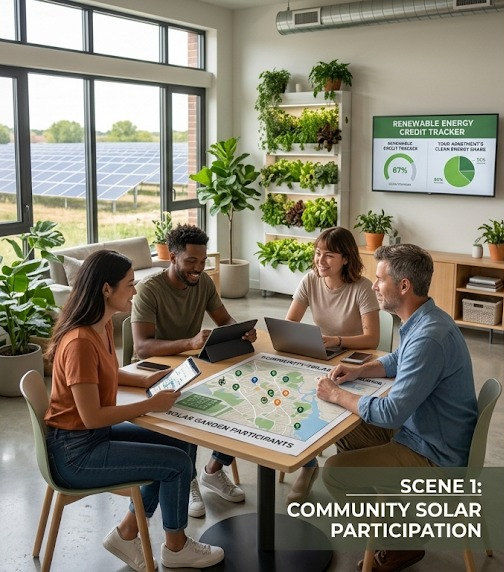
Community solar can be an excellent choice for renters who cannot install panels on their homes. In a community solar program, a group of customers benefits from electricity produced by a shared solar project.
Depending on the program, renters may subscribe to a portion of a solar installation and receive credits or other benefits related to the electricity generated. Availability, pricing, and eligibility vary by location, so tenants should research local programs carefully.
Improve Energy Efficiency First
Renewable energy works even better when combined with energy efficiency. Tenants have the ability to decrease their electricity usage by utilizing LED lights, energy-saving devices, intelligent power strips, and programmable thermostats where allowed.
Simple habits also matter. Turning off unnecessary lights, unplugging unused electronics, improving ventilation, and using appliances efficiently can lower energy consumption without requiring major property changes.
Check Rental Rules Before Installing Equipment
Before installing any renewable energy equipment, renters should review their lease agreement and ask the landlord or property manager for permission when necessary. Permanent fixtures, wiring changes, balcony installations, and exterior equipment may require approval.
Portable solutions are generally more flexible, but safety should always come first.
There are plenty of renewable energy options for renters, even when rooftop solar is not possible. Green electricity plans, portable solar panels, solar generators, community solar, and energy-efficient household products allow tenants to participate in the transition toward cleaner energy.
Beginning with cost-effective options that are suitable for the rental property and lifestyle is the most effective strategy. By combining renewable energy with responsible electricity use, renters can lower their environmental impact without making permanent changes to their homes.
Andaman and Nicobar Islands Forests
Tours And Travels Website Design