In today’s digital world, social media has become a significant part of teenagers’ daily lives. Platforms like Instagram, TikTok, Snapchat, and Facebook allow adolescents to communicate, express themselves, and stay informed. While these platforms offer numerous benefits, they also present challenges that can affect young people’s emotional and psychological well-being. Understanding the social media impact on adolescent mental health is essential for parents, educators, and teenagers themselves to encourage healthier online habits.
The Growing Role of Social Media in Teenagers’ Lives
Most adolescents spend several hours each day scrolling through social media. These platforms provide entertainment, educational content, and opportunities to connect with friends and communities worldwide. Teenagers use social media to share experiences, build friendships, and explore their interests.
However, excessive usage can gradually replace face-to-face interactions, physical activities, and quality family time. When social media becomes the primary source of validation and communication, it may begin influencing emotional health.
Positive Effects of Social Media on Mental Health
In spite of the worries, social networking is not completely detrimental. When used responsibly, it offers several mental health benefits for adolescents.
1. Better Social Connection
Teenagers can stay connected with friends and family regardless of location. Online communities also help individuals with similar interests or experiences support one another.
2. Access to Mental Health Resources
Many organizations and professionals share valuable information about anxiety, depression, stress management, and self-care. Young people can easily access educational content that promotes mental wellness.
3. Creative Expression
Social media allows adolescents to showcase their talents through photography, music, writing, art, and videos. Creative expression often boosts confidence and encourages personal growth.
Adverse Effects of Social Media on Teenage Mental Well-being
Although social media has advantages, excessive or unhealthy usage may contribute to several mental health concerns.
Increased Anxiety and Depression
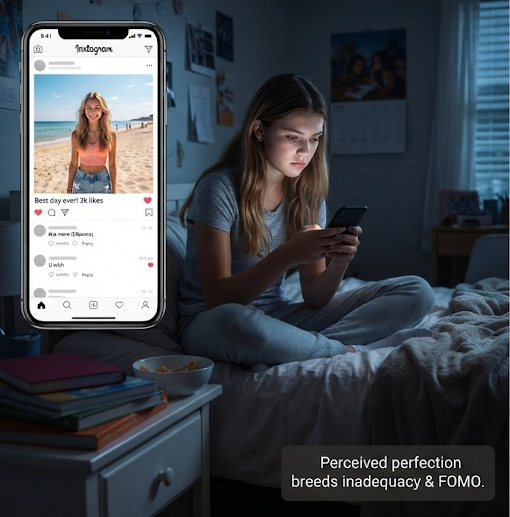
Constant exposure to carefully edited images and success stories may cause teenagers to compare themselves with others. This comparison can lower self-esteem and increase feelings of sadness, anxiety, or inadequacy.
Cyberbullying
Online harassment has become one of the most serious challenges for adolescents. Negative comments, rumors, and online bullying can significantly damage emotional well-being and may even lead to depression or social withdrawal.
Fear of Missing Out (FOMO)
Many teenagers experience Fear of Missing Out when they see friends attending events or enjoying activities without them. This feeling can increase stress, loneliness, and dissatisfaction with their own lives.
Sleep Disturbances
Using smartphones late at night affects sleep quality. Poor sleep can reduce concentration, academic performance, emotional regulation, and overall mental health.
Warning Signs Parents Should Notice
Parents and caregivers should monitor behavioral changes that may indicate unhealthy social media use. Some common warning signs include:
- Constant mood swings
- Loss of interest in hobbies
- Social isolation
- Difficulty sleeping
- Increased anxiety after using social media
- Declining academic performance
- Low self-confidence
Recognizing these symptoms early allows timely support and intervention.
Tips for Healthy Social Media Usage
Creating healthy digital habits can reduce the negative effects of social media while preserving its benefits.
Set Daily Screen Time Limits
Encourage teenagers to balance online activities with sports, reading, outdoor play, and family interactions.
Promote Open Communication
Parents should regularly discuss online experiences without judgment. Teenagers are more likely to share problems when they feel supported.
Follow Positive Content
Encourage adolescents to follow educational, motivational, and inspiring accounts instead of content that promotes unrealistic beauty standards or negativity.
Encourage Offline Activities
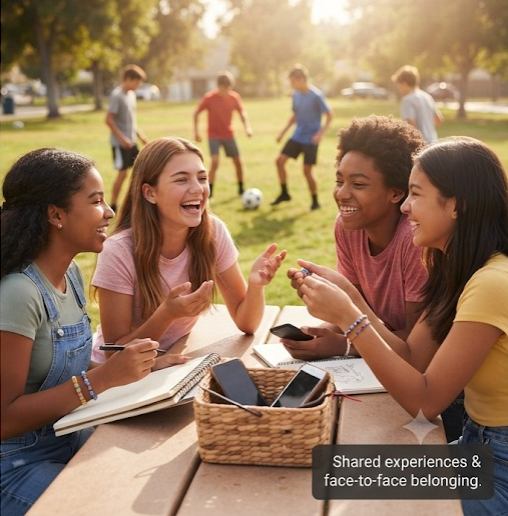
Physical exercise, hobbies, volunteering, and spending time with friends in person improve emotional resilience and reduce dependence on digital validation.
Teach Digital Literacy
Help teenagers understand that many online images are edited and do not accurately represent real life. Critical thinking reduces unhealthy comparison.
The social media impact on adolescent mental health is complex, offering both opportunities and risks. Social media can foster creativity, education, and meaningful relationships when used responsibly. However, excessive screen time, cyberbullying, unrealistic comparisons, and poor sleep can negatively affect emotional well-being. Parents, educators, and teenagers must work together to develop healthy online habits, maintain open communication, and prioritize real-life connections. With balanced usage and proper guidance, adolescents can enjoy the benefits of social media while protecting their mental health and building a healthier digital future.
Liver Cancer Symptoms Cause and Remedy
Read Also: Medical Website Design