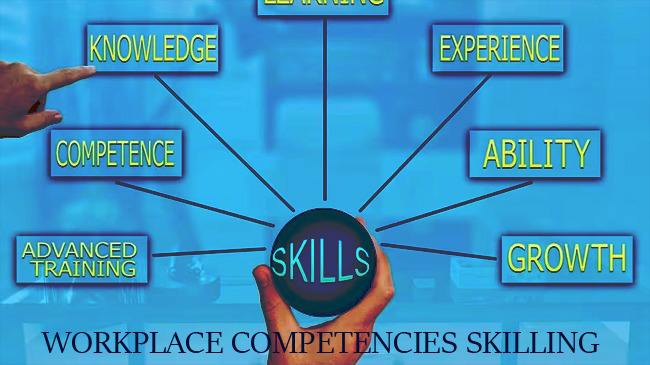
Learning a new language is one of the most valuable skills you can develop. Whether you want to advance your career, travel confidently, or connect with people from different cultures, mastering another language opens countless opportunities. The good news is that you don’t have to spend years memorizing grammar rules. By using language immersion techniques, you can learn faster, improve your speaking skills naturally, and retain vocabulary more effectively.
What Is Language Immersion?
Language immersion is a learning method where you surround yourself with the language you want to master. Instead of relying only on textbooks, you interact with the language through conversations, movies, music, podcasts, books, and everyday activities. This approach trains your brain to think in the target language rather than translating every word into your native language.
Immersion works because it mirrors the way children learn their first language—through constant exposure and real-life communication.
Why Immersion Is More Effective Than Traditional Learning
Many learners spend months studying grammar but struggle to hold a simple conversation. Immersion changes this by exposing you to real-world vocabulary, pronunciation, and sentence structures every day.
Some key benefits include:
- Faster vocabulary retention
- Improved listening comprehension
- Better pronunciation and accent
- Increased confidence while speaking
- Natural understanding of grammar patterns
Instead of memorizing isolated words, you learn how they are used in everyday conversations.
Start with Daily Language Exposure
One of the easiest ways to immerse yourself is by making the language part of your daily routine.
Try these simple habits:
- Change your phone and social media language settings.
- Listen to podcasts during your commute.
- View television programs with captions in the desired language.
- Read short articles or news every morning.
- Follow native speakers on social media.
Even 20 to 30 minutes of daily exposure can significantly improve your language skills over time.

Practice Speaking Every Day
Speaking is often the most challenging part of learning a language. Many learners understand words but hesitate to speak because they fear making mistakes.
The best way to improve is by speaking regularly.
You can:
- Join online language exchange communities.
- Practice with native speakers through video calls.
- Record yourself speaking and compare your pronunciation.
- Talk to yourself while describing your daily activities.
Remember, fluency comes through consistent practice, not perfection.
Learn Vocabulary in Context
Instead of memorizing long vocabulary lists, focus on learning words within sentences and real-life situations.
For example, if you’re learning food-related vocabulary, read restaurant menus, watch cooking videos, or follow recipes in the target language.
Context helps your brain remember words naturally because they become connected to meaningful experiences.
Use Entertainment as a Learning Tool
Learning doesn’t have to feel like studying.
Watch movies, listen to music, play games, or read comics in your target language. Choose content that genuinely interests you because you’re more likely to stay consistent.
Start with subtitles if needed, then gradually remove them as your listening skills improve. Over time, you’ll recognize common phrases and understand conversations more easily.
Think in Your Target Language
One powerful immersion technique is learning to think without translating.
Begin with simple thoughts like:
- “I’m making breakfast.”
- “It’s raining today.”
- “I need to finish my work.”
As your vocabulary grows, your internal conversations will become longer and more natural. This reduces dependence on your native language and improves speaking speed.
Stay Consistent and Track Progress
Consistency matters far more than studying for long hours once a week.
Set realistic goals such as:
- Learn 10 new words daily.
- Read one article every day.
- Speak for 15 minutes with a language partner.
- Watch one episode of a TV show each week.
Keep a journal to record new vocabulary, common expressions, and personal achievements. Observing your advancement will help you stay inspired as you progress through your learning process.
If you’re looking to learn new languages fast, immersion is one of the most effective methods available. By surrounding yourself with the language through listening, speaking, reading, and daily practice, you create an environment that encourages natural learning. Small, consistent efforts each day can lead to remarkable improvements in fluency, confidence, and comprehension.
Rather than waiting for the perfect time to start, begin incorporating immersion techniques into your everyday routine. With patience, dedication, and regular exposure, you’ll discover that learning a new language can be both enjoyable and rewarding.
How to Choose the Best Online Courses for Career Advancement
Exploring the Top Scientific Theories That Changed the World