In today’s interconnected world, cultures influence one another more than ever before. From global fashion trends to international cuisines, people enjoy traditions that originate from different parts of the world. However, a growing conversation has emerged around cultural appreciation versus cultural appropriation. Understanding the difference is essential to promoting respect, inclusivity, and meaningful cultural exchange.
What Is Cultural Appreciation?
Cultural appreciation is the respectful acknowledgment and celebration of another culture. It involves learning about traditions, understanding their historical significance, and giving proper credit to the communities that created them. Appreciation is rooted in curiosity, education, and genuine admiration rather than personal gain.
For example, attending a traditional Japanese tea ceremony after learning about its cultural significance or supporting Indigenous artists by purchasing authentic handmade crafts demonstrates cultural appreciation. It builds bridges between communities and encourages mutual respect.
What Is Cultural Appropriation?
Cultural appropriation occurs when elements of a culture are borrowed or adopted without understanding, permission, or respect—especially when the culture has historically faced discrimination or marginalization. This often involves using cultural symbols, clothing, hairstyles, or traditions for fashion, entertainment, or profit while ignoring their original meaning.
Appropriation can unintentionally reinforce stereotypes or exploit cultural identities. The issue becomes more concerning when people profit from cultural elements while members of the original culture continue to face prejudice for practicing those same traditions.
Cultural Appreciation in Fashion
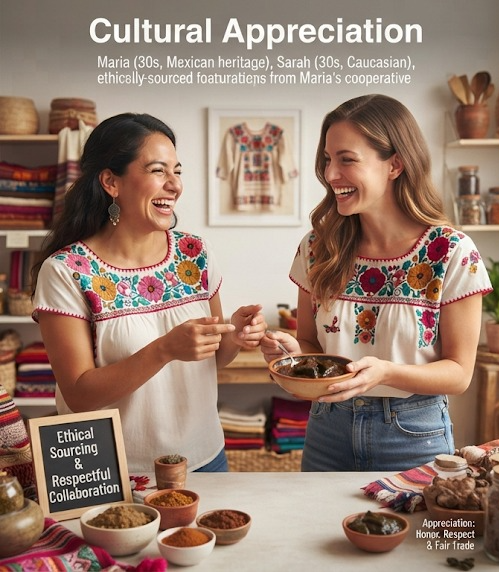
Fashion has always been inspired by different cultures. Designers often incorporate global textiles, embroidery, patterns, and silhouettes into modern collections. When done ethically, this promotes cultural diversity and preserves traditional craftsmanship.
Positive examples of cultural appreciation in fashion include:
- Collaborating with local artisans and craftspeople.
- Crediting the cultural origins of designs.
- Paying fair compensation to traditional creators.
- Educating consumers about the history behind garments.
Many fashion brands now work directly with Indigenous communities, African textile makers, or South Asian embroidery specialists to create collections that honor cultural heritage while supporting local economies.

Cultural Appropriation in Fashion
Fashion crosses the line into appropriation when sacred or culturally significant items are used as trends without understanding their meaning.
Examples include:
- Wearing ceremonial Native American feather headdresses as festival accessories.
- Using sacred religious symbols as decorative fashion pieces.
- Copying traditional cultural designs without crediting their origins.
- Commercializing cultural attire while excluding people from that culture in advertising or design decisions.
Such practices reduce meaningful traditions to temporary fashion statements and may unintentionally disrespect the communities they represent.
Cultural Appreciation in Food
Food is one of the most enjoyable ways cultures connect. Trying international cuisines, learning authentic recipes, and supporting family-owned ethnic restaurants all contribute to cultural appreciation.
Respectful appreciation includes:
- Learning the history behind traditional dishes.
- Respecting authentic cooking methods.
- Acknowledging the culture where recipes originated.
- Supporting local chefs and restaurants from those communities.
For instance, enjoying Indian biryani, Japanese sushi, Mexican tacos, or Italian pasta while recognizing their cultural heritage encourages greater understanding between people.
Cultural Appropriation in Food
Food becomes a form of appropriation when traditional recipes are rebranded, commercialized, or marketed without acknowledging their origins. This may happen when businesses profit from ethnic cuisines while overlooking the communities that created them.
Examples include renaming traditional dishes to appear trendy or claiming ownership of recipes that have existed for generations. Respecting the origins of food helps preserve cultural identity while encouraging authentic representation.
Why the Difference Matters
Recognizing the difference between appreciation and appropriation promotes inclusivity and respect. Cultures are shaped by centuries of history, traditions, and lived experiences. Treating these traditions thoughtfully helps prevent misunderstandings and supports cultural preservation.
Consumers also play an important role. By purchasing authentic products, supporting cultural businesses, and educating themselves about traditions, individuals contribute to a more respectful global community.
How to Practice Cultural Appreciation
Here are simple ways to appreciate cultures respectfully:
- Learn the history and significance behind cultural traditions.
- Credit the original creators and communities.
- Support authentic artisans, designers, and restaurants.
- Avoid using sacred symbols as fashion accessories.
- Listen to members of the culture when they share concerns.
- Be open to learning and correcting mistakes.
Small actions can make a significant difference in fostering cultural respect.
The conversation around cultural appreciation versus appropriation in fashion and food is not about discouraging cultural exchange—it is about encouraging respectful engagement. Fashion and food have the power to unite people across borders when approached with curiosity, humility, and understanding. By honoring the origins of cultural traditions, supporting authentic creators, and educating ourselves, we can celebrate diversity while preserving the rich heritage that makes every culture unique.
State Wise Food Culture in India