Climate change has become one of the world’s biggest environmental challenges, and businesses and individuals are looking for ways to reduce their carbon footprint. One popular solution is carbon offsets, which promise to balance greenhouse gas emissions by funding projects that reduce or remove carbon dioxide from the atmosphere. But the question remains: Do carbon offsets actually work effectively? The response is not as straightforward as a simple yes or no. Their effectiveness depends on how they are designed, verified, and implemented.
What Are Carbon Offsets?
Carbon offsets are credits that represent the reduction or removal of one metric ton of carbon dioxide (CO₂) or its equivalent from the atmosphere. Instead of reducing emissions directly, companies or individuals purchase these credits to compensate for the emissions they cannot currently avoid.
Common carbon offset projects include:
- Tree planting and forest conservation
- Renewable energy installations
- Methane capture from landfills
- Clean cooking stove initiatives
- Wetland and ecosystem restoration
These projects aim to reduce overall greenhouse gas emissions while supporting sustainable development.
How Carbon Offsets Work
The concept behind carbon offsets is straightforward. If a company produces emissions through manufacturing or transportation, it can invest in certified environmental projects that remove or prevent an equal amount of carbon emissions elsewhere.
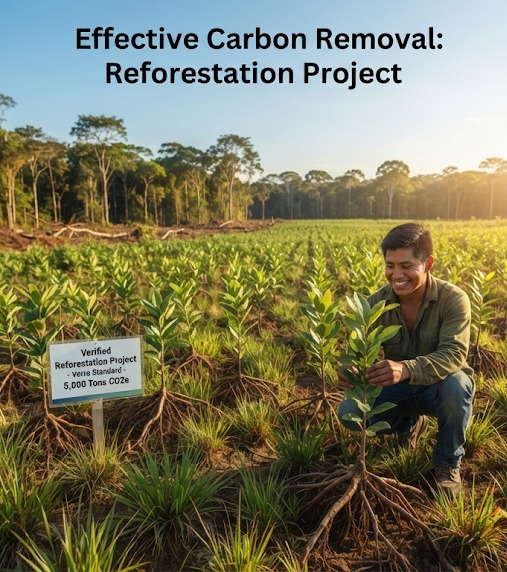
For example, an airline may calculate the emissions from a flight and purchase carbon credits that fund reforestation projects. Ideally, the carbon absorbed by the new trees offsets the emissions generated during the flight.
However, this system only works effectively when the offset projects are genuine, measurable, and independently verified.
Do Carbon Offsets Really Reduce Climate Change?
Carbon offsets can contribute to climate action, but they are not a perfect solution. High-quality offset projects provide measurable environmental benefits and often improve biodiversity, create local jobs, and support clean energy development.
However, several challenges affect their effectiveness:
Project Quality
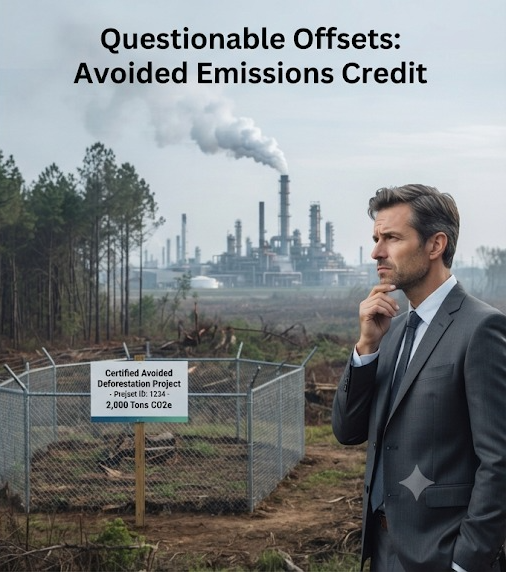
Not every carbon offset project delivers the promised emission reductions. Some projects would have happened even without carbon credit funding, reducing their actual environmental value.
Permanence
Forests planted today may absorb carbon for decades, but wildfires, disease, or deforestation can release that stored carbon back into the atmosphere. This raises concerns about the long-term reliability of some offset projects.
Verification
Reliable carbon offsets require independent auditing and certification. Standards such as Verra and Gold Standard help verify that projects meet strict environmental requirements, although ongoing improvements in monitoring are still needed.
Benefits of Carbon Offsets
Despite their limitations, carbon offsets offer several advantages:
- Encourage investment in renewable energy and conservation.
- Help businesses begin their sustainability journey.
- Support environmental and community development projects.
- Raise awareness about climate responsibility.
- Provide temporary solutions while cleaner technologies continue to develop.
When combined with direct emission reductions, carbon offsets can play a meaningful role in achieving climate goals.
Limitations You Should Know
Critics argue that carbon offsets sometimes allow organizations to continue polluting instead of reducing emissions at the source. This practice, often called greenwashing, occurs when businesses rely heavily on offsets while making little effort to improve operational efficiency or adopt cleaner technologies.
Additionally, measuring the exact environmental impact of some projects remains difficult, making transparency essential.
Best Practices for Using Carbon Offsets
To maximize effectiveness, organizations should follow a hierarchy:
- Reduce emissions wherever possible.
- Improve energy efficiency.
- Switch to renewable energy sources.
- Use verified carbon offsets only for unavoidable emissions.
This approach ensures that offsets complement—not replace—real emission reductions.
So, do carbon offsets actually work effectively? Yes—but only when they are part of a broader climate strategy. High-quality, independently verified carbon offset projects can help reduce global emissions and fund valuable environmental initiatives. However, they should never serve as a substitute for cutting emissions at their source.
Businesses and individuals should view carbon offsets as one tool among many in the fight against climate change. The greatest environmental impact comes from reducing fossil fuel use, improving energy efficiency, and supporting sustainable practices, with carbon offsets helping to address the emissions that cannot yet be eliminated.
Andaman and Nicobar Islands Forests
Tours And Travels Website Design