Starting a new relationship is exciting. The early stages of dating are often filled with happiness, curiosity, and hope for the future. However, while romance can be thrilling, it is equally important to recognize the warning signs that may indicate an unhealthy relationship. Identifying red flags in early dating relationships can help you avoid emotional pain, manipulation, and long-term complications.
In this article, we’ll discuss the most common dating red flags and how to protect yourself while building healthy relationships.
Why Recognizing Red Flags Matters
Many people overlook concerning behaviors because they are caught up in the excitement of a new relationship. Unfortunately, small warning signs can grow into larger issues over time. Recognizing these behaviors early allows you to make informed decisions before becoming emotionally invested.
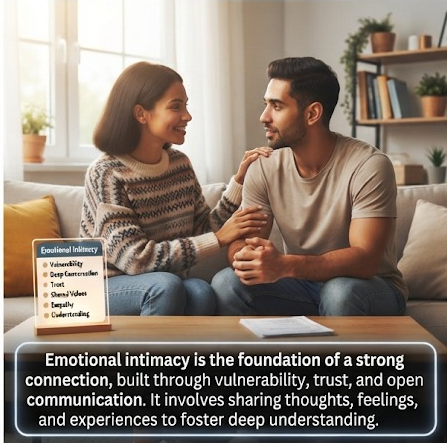
Healthy relationships are built on trust, honesty, communication, and mutual respect. If these foundations are missing from the beginning, it’s worth taking a closer look.
1. They Try to Control Your Life
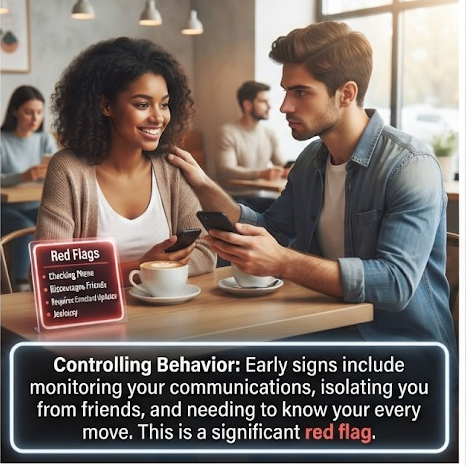
One of the biggest red flags is controlling behavior. A partner who constantly tells you what to wear, who you should talk to, or how you should spend your time is crossing healthy boundaries.
Control often starts subtly and becomes more intense over time. A caring partner respects your independence and encourages you to make your own choices.
2. They Move the Relationship Too Fast
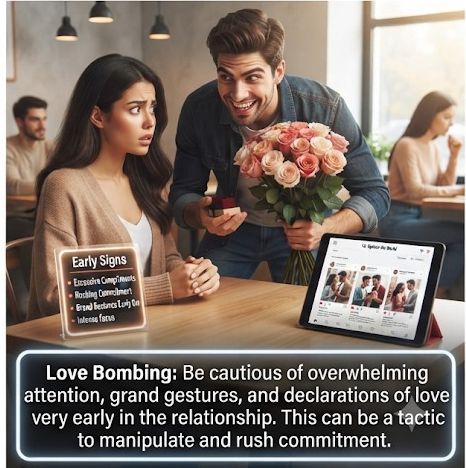
While instant chemistry is possible, someone who rushes the relationship may have unhealthy intentions. Declaring love within days, discussing marriage immediately, or pressuring you into major commitments can be warning signs.
Healthy relationships develop naturally. Trust and emotional intimacy take time to build.
3. Poor Communication Skills
Communication is the backbone of every successful relationship. If your partner refuses to discuss problems, avoids difficult conversations, or gives you the silent treatment, future conflicts may become harder to resolve.
Look for someone who listens carefully, expresses their feelings respectfully, and values open conversations.
4. They Constantly Criticize You
Constructive feedback is healthy, but constant criticism is not. If your partner frequently mocks your appearance, career, family, or personal goals, it can damage your self-esteem.
A supportive partner encourages personal growth rather than making you feel inadequate.
5. Jealousy Disguised as Love
Many people mistake excessive jealousy for affection. However, constantly questioning where you are, checking your phone, or accusing you without reason are signs of insecurity and possessiveness.
Trust is essential in any relationship. Healthy partners respect your privacy and do not monitor your every move.
6. They Don’t Respect Boundaries
Everyone has personal boundaries regarding time, privacy, finances, and physical intimacy. A partner who ignores your comfort level or pressures you into situations you dislike is showing a lack of respect.
Someone who truly cares about you will always respect your decisions and consent.
7. Dishonesty and Inconsistent Stories
Honesty builds trust. If you frequently catch your partner lying, hiding information, or changing their stories, it may indicate deeper trust issues.
Even small lies can become significant problems if they continue over time.
8. They Speak Badly About Everyone
Pay attention to how your partner talks about former partners, friends, coworkers, and family members. If everyone else is always “the problem,” it could indicate a pattern of blame and an unwillingness to accept responsibility.
Emotionally mature people acknowledge mistakes and learn from past experiences.
9. Lack of Accountability
Everyone makes mistakes. The difference lies in taking responsibility. If your partner constantly blames others or refuses to apologize, resolving conflicts may become nearly impossible.
Accountability is a key characteristic of emotionally healthy individuals.
How to Protect Yourself
If you notice one or more red flags, don’t ignore your instincts. Take your time before making serious commitments. Talk with trusted friends or family members who can provide an outside perspective. Most importantly, remember that you deserve a relationship where you feel respected, valued, and emotionally safe.
Leaving an unhealthy relationship early is often easier than trying to fix deeply rooted problems later.
Recognizing red flags in early dating relationships is an essential part of protecting your emotional well-being. While nobody is perfect, repeated patterns of controlling behavior, dishonesty, disrespect, or manipulation should never be ignored. Healthy relationships grow through trust, communication, mutual respect, and shared values.
By being mindful of these initial indications, you can make smarter decisions in relationships and establish a more solid base for long-term joy. Always trust your instincts, set clear boundaries, and remember that a healthy relationship should bring peace, support, and personal growth—not constant stress or uncertainty.
Private Places for Couples in Kolkata
Read Also: Adult Toys Website Design