Natural family planning tracking methods have become increasingly popular among couples who want a hormone-free and natural approach to managing fertility. Whether you are trying to conceive or avoid pregnancy, understanding your body’s natural fertility signs can help you make informed reproductive health decisions. These methods rely on observing physical changes that occur during the menstrual cycle rather than using medications or medical devices.
In this guide, we’ll explore the most effective natural family planning tracking methods, their benefits, limitations, and tips for improving accuracy.
What Is Natural Family Planning?
Natural family planning (NFP), also known as fertility awareness-based methods (FABMs), involves monitoring fertility indicators throughout the menstrual cycle. By identifying fertile and infertile days, couples can either plan or postpone pregnancy naturally.
Unlike hormonal birth control, natural family planning works by understanding the body’s biological signals. It requires commitment, consistency, and proper education to achieve the best results.
How Natural Family Planning Tracking Methods Work
A woman’s fertility changes throughout her menstrual cycle. During ovulation, an egg is released from the ovary and can be fertilized for approximately 12 to 24 hours. Nevertheless, sperm has the ability to remain viable within the female reproductive system for a period of up to five days.
Natural family planning tracking methods focus on identifying this fertile window through daily observations. Couples can then decide whether to have or avoid unprotected intercourse based on their family planning goals.
Common Natural Family Planning Tracking Methods
1. Calendar Method
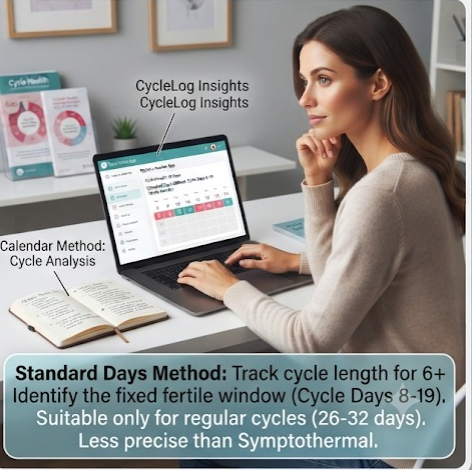
The calendar method estimates fertile days by recording menstrual cycle lengths over several months. By identifying patterns, women can predict when ovulation is most likely to occur.
Although simple to use, this method works best for women with regular menstrual cycles and should ideally be combined with other tracking techniques for greater reliability.
2. Basal Body Temperature Method
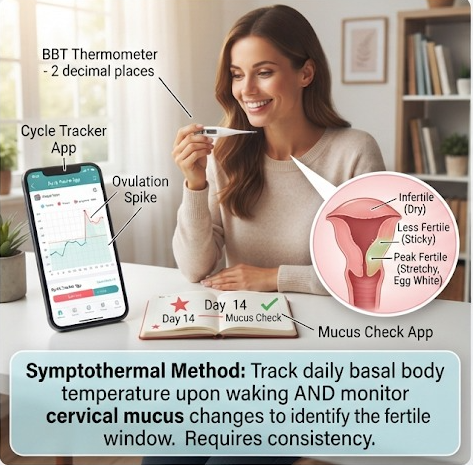
Basal body temperature (BBT) refers to your body’s resting temperature immediately after waking up. After ovulation, progesterone causes a slight increase in body temperature, usually between 0.3°C and 0.6°C.
By recording your temperature every morning using a basal thermometer, you can identify when ovulation has already occurred and better understand your cycle over time.
3. Cervical Mucus Method
The composition of cervical fluid alters during the menstrual period because of hormonal changes.
Typical changes include:
- Dry or sticky mucus after menstruation
- Creamy mucus before ovulation
- Clear, slippery, egg-white-like mucus during peak fertility
- Thick or dry mucus after ovulation
Monitoring these changes daily helps identify the most fertile days of the cycle.
4. Symptothermal Method
The symptothermal method combines several fertility indicators, including basal body temperature, cervical mucus, and physical symptoms such as ovulation pain or cervical position.
Because it uses multiple signs together, it is considered one of the most accurate natural family planning tracking methods when followed correctly.
Benefits of Natural Family Planning
Many couples choose natural family planning because it offers several advantages:
- No hormones or medications
- No ongoing prescription costs
- Increased awareness of reproductive health
- Can be used to achieve or avoid pregnancy
- Encourages communication between partners
- Acceptable for people who prefer natural or faith-based family planning options
Additionally, learning to recognize normal cycle patterns may help identify certain reproductive health concerns that deserve medical attention.
Challenges and Limitations
Natural family planning requires dedication and daily tracking. Irregular menstrual cycles, illness, stress, travel, sleep disruption, and hormonal changes can affect fertility signs and reduce prediction accuracy.
It also requires abstaining from unprotected intercourse or using alternative protection during fertile days if pregnancy prevention is the goal.
Couples should understand that no fertility awareness method is completely foolproof, especially without proper education and consistent use.
Tips for Successful Fertility Tracking
To improve the effectiveness of natural family planning tracking methods:
- Record fertility signs every day.
- Use a reliable fertility chart or tracking app.
- Learn from certified fertility awareness educators if possible.
- Be patient while identifying your personal cycle patterns.
- Combine multiple tracking methods for greater accuracy.
- Discuss your family planning goals openly with your partner.
Consistency plays a crucial role in obtaining dependable outcomes.
Is Natural Family Planning Right for You?
Natural family planning can be an excellent option for healthy couples who are committed to daily observation and careful record-keeping. It is particularly appealing for those seeking a hormone-free lifestyle or wishing to better understand their reproductive health.
However, individuals with highly irregular cycles or medical conditions affecting ovulation may benefit from discussing their options with a qualified healthcare provider before relying solely on fertility awareness methods.
Natural family planning tracking methods provide a safe, educational, and non-invasive way to understand fertility. By learning to observe basal body temperature, cervical mucus, menstrual cycle patterns, and other fertility signs, couples can make informed decisions about pregnancy planning without relying on hormonal contraception.
With consistent tracking, patience, and proper education, natural family planning can become an effective tool for improving reproductive awareness and supporting long-term family planning goals.
Read Also: Wedding Website Design